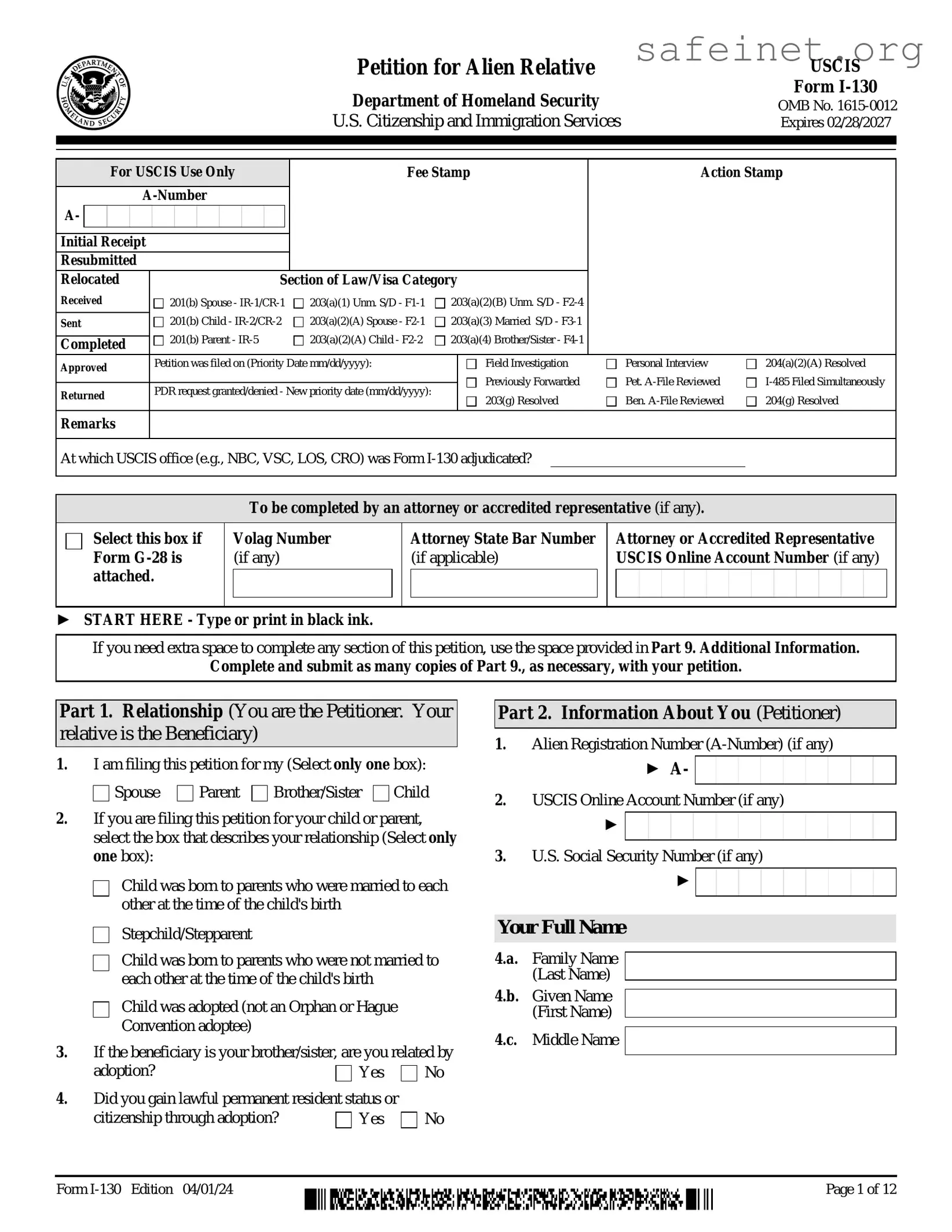
The USCIS I-130 form, also known as the Petition for Alien Relative, plays a crucial role in the family-based immigration process. It is designed for U.S. citizens and lawful permanent residents who wish to sponsor a family member for a green card. This form establishes the relationship between the petitioner and the beneficiary, which is essential for the immigration process to move forward. The I-130 requires detailed information about both the sponsor and the relative being sponsored, including personal details, proof of the relationship, and supporting documentation. Completing this form accurately is vital, as any errors can lead to delays or denials in the application process. Once approved, the I-130 serves as the first step toward obtaining permanent residency for the family member, paving the way for reunification. Understanding the ins and outs of the I-130 form can help ensure a smoother journey through the immigration system.
|
|
|
|
|
|
|
|
|
|
|
|
|
|
|
Petition for Alien Relative |
|
|
|
|
|
|
|
|
|
|
USCIS |
||||||||||||
|
|
|
|
|
|
|
|
|
|
|
|
|
|
|
Department of Homeland Security |
|
|
|
|
|
|
|
|
|
Form |
|||||||||||||
|
|
|
|
|
|
|
|
|
|
|
|
|
|
|
|
|
|
|
|
|
|
|
|
OMB No. |
||||||||||||||
|
|
|
|
|
|
|
|
|
|
|
|
|
|
|
U.S. Citizenship and Immigration Services |
|
Expires 02/28/2027 |
|||||||||||||||||||||
|
|
|
|
|
|
|
|
|
|
|
|
|
|
|
|
|
|
|
|
|
|
|
|
|
|
|
|
|
|
|
|
|
|
|
|
|
|
|
|
|
|
|
|
|
|
|
|
|
|
|
|
|
|
|
|
|
|
|
|
|
|
|
|
|
|
|
|
|
|
|
|
|
|
|
|
|
|
|
|
|
|
|
|
|
|
|
|
|
|
|
|
|
|
|
|
|
|
|
|
|
|
|
|
|
|
|
|
|
|
|
|
|
|
|
|
|
|
|
|
For USCIS Use Only |
|
|
|
Fee Stamp |
|
|
|
|
|
|
Action Stamp |
||||||||||||||||||||||||
|
|
|
|
|
|
|
|
|
|
|
|
|
|
|
|
|
|
|
|
|
|
|
|
|
|
|
|
|
|
|
|
|
|
|
||||
|
A- |
|
|
|
|
|
|
|
|
|
|
|
|
|
|
|
|
|
|
|
|
|
|
|
|
|
|
|
|
|
|
|
|
|
|
|
|
|
|
|
|
|
|
|
|
|
|
|
|
|
|
|
|
|
|
|
|
|
|
|
|
|
|
|
|
|
|
|
|
|
|||||||
Initial Receipt |
|
|
|
|
|
|
|
|
|
|
|
|
|
|
|
|
|
|
|
|
|
|
|
|
|
|
|
|
|
|
||||||||
Resubmitted |
|
|
|
|
|
|
|
|
|
|
|
|
|
|
|
|
|
|
|
|
|
|
|
|
|
|
|
|
|
|
|
|
|
|
||||
Relocated |
|
|
|
|
|
|
|
|
Section of Law/Visa Category |
|
|
|
|
|
|
|
|
|
|
|
|
|
|
|
|
|
||||||||||||
Received |
|
201(b) Spouse - |
203(a)(1) Unm. S/D - |
203(a)(2)(B) Unm. S/D - |
|
|
|
|
|
|
|
|
|
|
|
|
|
|
|
|
|
|||||||||||||||||
|
|
201(b) Child - |
203(a)(2)(A) Spouse - |
203(a)(3) Married S/D - |
|
|
|
|
|
|
|
|
|
|
|
|
|
|
|
|
|
|||||||||||||||||
Sent |
|
|
|
|
|
|
|
|
|
|
|
|
|
|
|
|
|
|
||||||||||||||||||||
|
|
201(b) Parent - |
203(a)(2)(A) Child - |
203(a)(4) Brother/Sister - |
|
|
|
|
|
|
|
|
|
|
|
|
|
|
|
|
|
|||||||||||||||||
Completed |
|
|
|
|
|
|
|
|
|
|
|
|
|
|
|
|
||||||||||||||||||||||
Approved |
|
Petition was filed on (Priority Date mm/dd/yyyy): |
|
Field Investigation |
|
Personal Interview |
204(a)(2)(A) Resolved |
|||||||||||||||||||||||||||||||
|
|
|
|
|
|
|
|
|
|
|
|
|
|
|
Previously Forwarded |
|
Pet. |
|||||||||||||||||||||
|
|
|
|
|
|
|
|
|
|
|
|
|
|
|
|
|
|
|
|
|
||||||||||||||||||
Returned |
|
PDR request granted/denied - New priority date (mm/dd/yyyy): |
|
|||||||||||||||||||||||||||||||||||
|
|
203(g) Resolved |
|
Ben. |
204(g) Resolved |
|||||||||||||||||||||||||||||||||
|
|
|
|
|
|
|
|
|
|
|
|
|
|
|
|
|||||||||||||||||||||||
|
|
|
|
|
|
|
|
|
|
|
|
|
|
|
|
|
|
|
|
|
||||||||||||||||||
|
|
|
|
|
|
|
|
|
|
|
|
|
|
|
|
|
|
|
|
|
|
|
|
|
|
|
|
|
|
|
|
|
|
|
||||
Remarks |
|
|
|
|
|
|
|
|
|
|
|
|
|
|
|
|
|
|
|
|
|
|
|
|
|
|
|
|
|
|
|
|
|
|
||||
|
|
|
|
|
|
|
|
|
|
|
|
|
|
|
|
|
|
|
|
|
|
|
|
|||||||||||||||
At which USCIS office (e.g., NBC, VSC, LOS, CRO) was Form |
|
|
|
|
|
|
|
|
|
|
|
|
|
|
|
|||||||||||||||||||||||
|
|
|
|
|
|
|
|
|
|
|
|
|
|
|
|
|
|
|
|
|
|
|
|
|
|
|
|
|
|
|
|
|
|
|
|
|
|
|
|
|
|
|
|
|
|
|
|
|
|
|
|
|
|
|
|
|
|
|
|
|
|
|
|
|
|
|
|
|
|
|
|
|
|
|
|
|
|
|
|
|
|
|
|
|
|
|
|
|
|
To be completed by an attorney or accredited representative (if any). |
|
|
|
|
|
|
|
|||||||||||||||||||
|
|
Select this box if |
|
|
Volag Number |
|
|
|
Attorney State Bar Number |
|
Attorney or Accredited Representative |
|||||||||||||||||||||||||||
|
|
Form |
|
|
(if any) |
|
|
|
|
(if applicable) |
|
USCIS Online Account Number (if any) |
||||||||||||||||||||||||||
|
|
attached. |
|
|
|
|
|
|
|
|
|
|
|
|
|
|
|
|
|
|
|
|
|
|
|
|
|
|
|
|
|
|
||||||
|
|
|
|
|
|
|
|
|
|
|
|
|
|
|
|
|
|
|
|
|
|
|
|
|
|
|
|
|
|
|
|
|||||||
|
|
|
|
|
|
|
|
|
|
|
|
|
|
|
|
|
|
|
|
|
|
|
|
|
|
|
|
|
|
|
|
|
|
|
|
|
|
|
|
|
|
|
|
|
|
|
|
|
|
|
|
|
|
|
|
|
|
|
|
|
|
|
|
|
|
|
|
|
|
|
|
|
|
|
|
|
|
► START HERE - Type or print in black ink.
If you need extra space to complete any section of this petition, use the space provided in Part 9. Additional Information.
Complete and submit as many copies of Part 9., as necessary, with your petition.
Part 1. Relationship (You are the Petitioner. Your relative is the Beneficiary)
1.I am filing this petition for my (Select only one box):
Spouse |
Parent |
Brother/Sister |
Child |
2.If you are filing this petition for your child or parent, select the box that describes your relationship (Select only one box):
Child was born to parents who were married to each other at the time of the child's birth
Part 2. Information About You (Petitioner)
1.Alien Registration Number
► A-
2.USCIS Online Account Number (if any)
►
3.U.S. Social Security Number (if any)
►
Stepchild/Stepparent
Child was born to parents who were not married to each other at the time of the child's birth
Child was adopted (not an Orphan or Hague Convention adoptee)
3.If the beneficiary is your brother/sister, are you related by
adoption? |
Yes |
No |
4.Did you gain lawful permanent resident status or
citizenship through adoption? |
Yes |
No |
Your Full Name
4.a. Family Name
(Last Name)
4.b. Given Name
(First Name)
4.c. Middle Name
Form |
Page 1 of 12 |
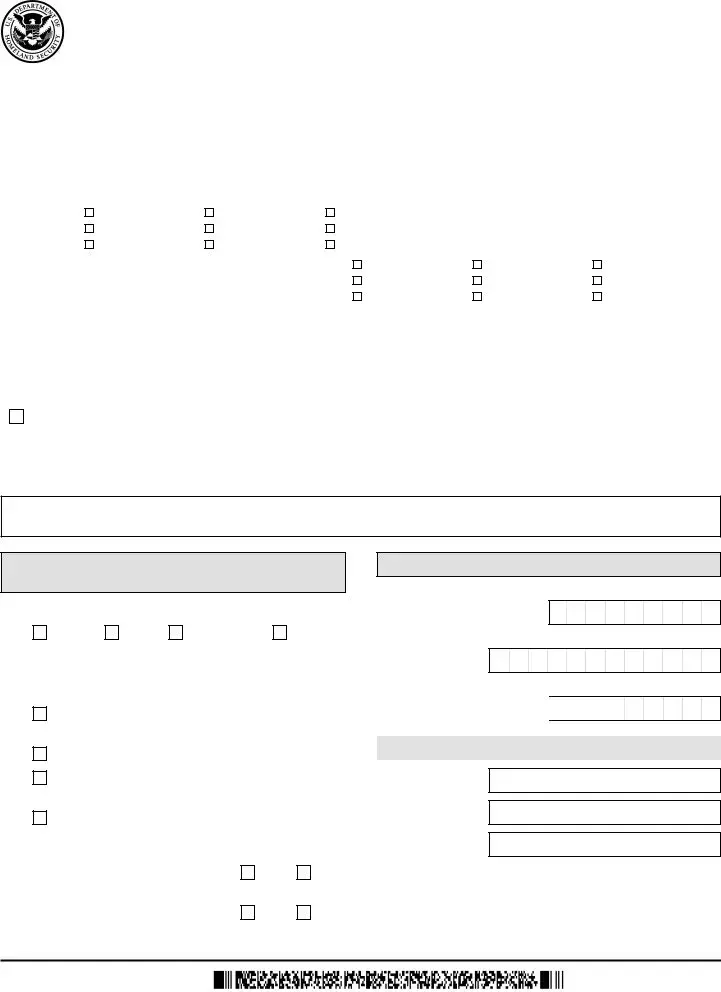
Part 2. Information About You (Petitioner)
(continued)
Other Names Used (if any)
Provide all other names you have ever used, including aliases, maiden name, and nicknames.
5.a. Family Name (Last Name)
5.b. Given Name (First Name)
5.c. Middle Name
Other Information
6.City/Town/Village of Birth
7.Country of Birth
8. |
Date of Birth (mm/dd/yyyy) |
|
|||||||
9. |
|
|
|
|
|
|
|
|
|
Sex |
|
Male |
Female |
||||||
|
|
|
|
|
|
|
|
||
Mailing Address |
|
|
(USPS ZIP Code Lookup) |
||||||
10.a. In Care Of Name |
|
|
|
|
|||||
10.b. |
|
|
|
|
|
|
|
|
|
Street Number |
|
|
|
|
|
||||
|
|
|
|
|
|||||
10.c. |
and Name |
|
|
|
|
|
|
|
|
|
|
|
|
|
|
|
|||
Apt. |
Ste. |
Flr. |
|
|
|||||
10.d. |
City or Town |
|
|
|
|
|
|
|
|
|
|
|
|
|
|
|
|||
|
|
|
|
|
|
|
|||
|
|
|
|
|
|
|
|
||
10.e. |
|
|
|
|
10.f. |
|
|
||
State |
|
|
|
ZIP Code |
|
||||
10.g. |
|
|
|
|
|
|
|
|
|
Province |
|
|
|
|
|
|
|
||
|
|
|
|
|
|
|
|||
10.h. |
Postal Code |
|
|
|
|
|
|
|
|
|
|
|
|
|
|
|
|||
|
|
|
|
|
|
|
|||
10.i. |
Country |
|
|
|
|
|
|
|
|
|
|
|
|
|
|
|
|||
|
|
|
|
|
|
|
|
|
|
11.Is your current mailing address the same as your physical
address? |
Yes |
No |
If you answered "No" to Item Number 11., provide information on your physical address in Item Numbers 12.a. - 13.b.
Address History
Provide your physical addresses for the last five years, whether inside or outside the United States. Provide your current address first if it is different from your mailing address in Item
Numbers 10.a. - 10.i.
Physical Address 1 |
|
|
|
|||||
12.a. Street Number |
|
|
|
|
||||
|
|
|
|
|||||
12.b. |
and Name |
|
|
|
|
|
|
|
|
|
|
|
|
|
|
||
Apt. |
Ste. |
Flr. |
|
|
||||
12.c. |
City or Town |
|
|
|
|
|
|
|
|
|
|
|
|
|
|||
|
|
|
|
|
|
|||
12.d. |
|
|
|
|
|
|
||
|
|
|
|
12.e. ZIP Code |
|
|||
State |
|
|
|
|
||||
12.f. |
|
|
|
|
|
|
|
|
Province |
|
|
|
|
|
|
||
|
|
|
|
|
|
|||
12.g. |
Postal Code |
|
|
|
|
|
|
|
|
|
|
|
|
|
|||
|
|
|
|
|
|
|||
12.h. |
Country |
|
|
|
|
|
|
|
|
|
|
|
|
|
|||
|
|
|
|
|
|
|
|
|
13.a. Date From (mm/dd/yyyy)
13.b. Date To (mm/dd/yyyy) |
|
|
|
PRESENT |
|||||
|
|
|
|
|
|
|
|
|
|
Physical Address 2 |
|
|
|
|
|||||
14.a. Street Number |
|
|
|
|
|
||||
|
|
|
|
|
|||||
14.b. |
and Name |
|
|
|
|
|
|
|
|
|
|
|
|
|
|
|
|
||
Apt. |
Ste. |
Flr. |
|
|
|
||||
14.c. |
City or Town |
|
|
|
|
|
|
|
|
|
|
|
|
|
|
|
|||
|
|
|
|
|
|
|
|||
14.d. |
|
|
|
|
|
|
|
||
|
|
|
|
14.e. ZIP Code |
|
|
|||
State |
|
|
|
|
|
||||
14.f. |
|
|
|
|
|
|
|
|
|
Province |
|
|
|
|
|
|
|
||
|
|
|
|
|
|
|
|||
14.g. |
Postal Code |
|
|
|
|
|
|
|
|
|
|
|
|
|
|
|
|||
|
|
|
|
|
|
|
|||
14.h. |
Country |
|
|
|
|
|
|
|
|
|
|
|
|
|
|
|
|||
|
|
|
|
|
|
|
|
|
|
15.a. Date From (mm/dd/yyyy)
15.b. Date To (mm/dd/yyyy)
Your Marital Information
16. How many times have you been married? ►
17.Current Marital Status
Single, Never Married |
Married |
Divorced |
|
Widowed |
Separated |
Annulled |
|
Form |
Page 2 of 12 |
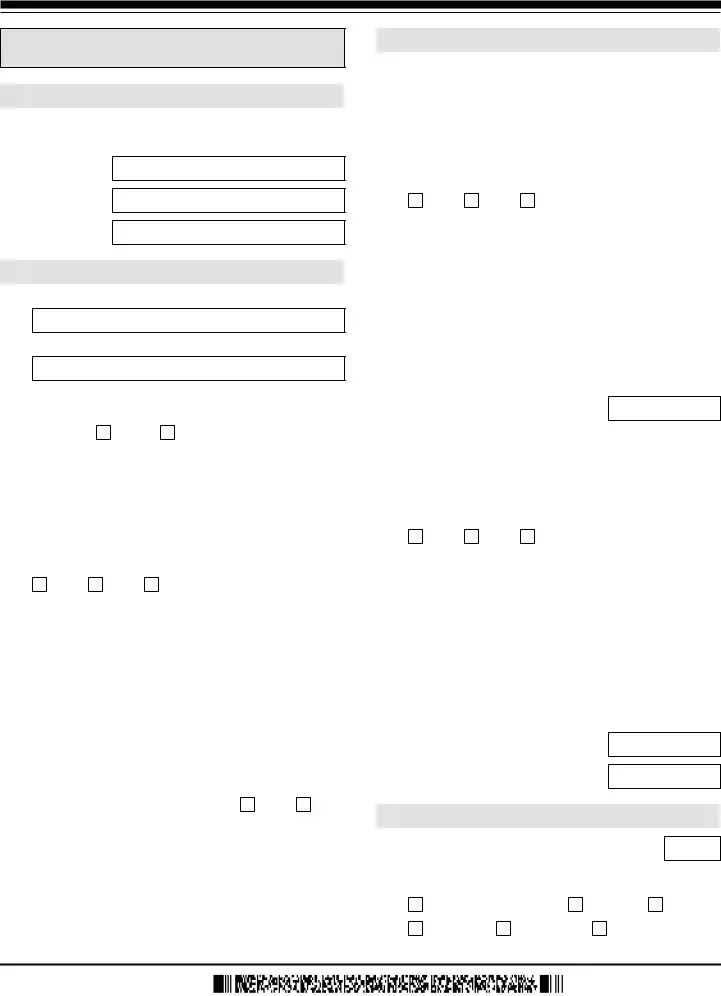
Part 2. Information About You (Petitioner)
(continued)
18.Date of Current Marriage (if currently married)
(mm/dd/yyyy)
Place of Your Current Marriage (if married)
19.a. City or Town
19.b. State
19.c. Province
19.d. Country
Names of All Your Spouses (if any)
Provide information on your current spouse (if currently married) first and then list all your prior spouses (if any).
Spouse 1
20.a. Family Name
(Last Name)
20.b. Given Name
(First Name)
20.c. Middle Name
21. Date Marriage Ended (mm/dd/yyyy)
Spouse 2
22.a. Family Name
(Last Name)
22.b. Given Name
(First Name)
22.c. Middle Name
23. Date Marriage Ended (mm/dd/yyyy)
27.Country of Birth
28.City/Town/Village of Residence
29.Country of Residence
Parent 2's Information
Full Name of Parent 2
30.a. Family Name
(Last Name)
30.b. Given Name
(First Name)
30.c. Middle Name
31. Date of Birth (mm/dd/yyyy)
32. Sex |
Male |
Female |
33.Country of Birth
34.City/Town/Village of Residence
35.Country of Residence
Additional Information About You (Petitioner)
36.I am a (Select only one box):
U.S. Citizen |
Lawful Permanent Resident |
If you are a U.S. citizen, complete Item Number 37.
37.My citizenship was acquired through (Select only one box):
Birth in the United States
Information About Your Parents
Parent 1's Information
Full Name of Parent 1
24.a. Family Name
(Last Name)
24.b. Given Name
(First Name)
24.c. Middle Name
25.Date of Birth (mm/dd/yyyy)
26. Sex |
Male |
Female |
Naturalization
Parents
38.Have you obtained a Certificate of Naturalization or a
Certificate of Citizenship? |
Yes |
No |
If you answered "Yes" to Item Number 38., complete the following:
39.a. Certificate Number
39.b. Place of Issuance
39.c. Date of Issuance (mm/dd/yyyy)
Form |
Page 3 of 12 |
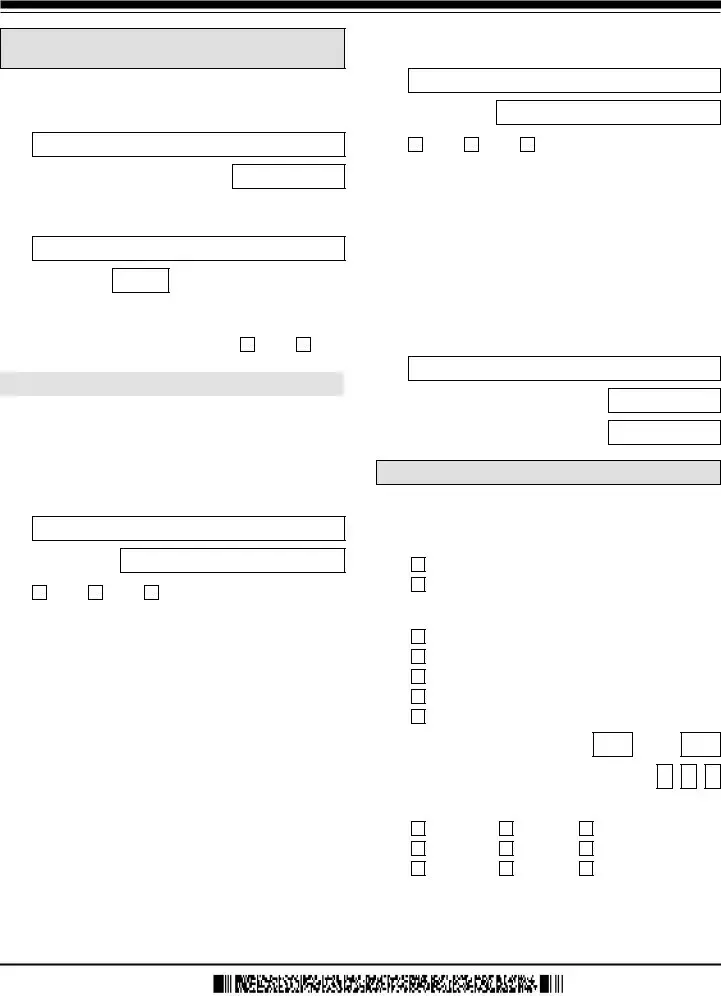
Part 2. Information About You (Petitioner)
(continued)
If you are a lawful permanent resident, complete Item
Numbers 40.a. - 41.
40.a. Class of Admission
40.b. Date of Admission (mm/dd/yyyy)
Place of Admission 40.c. City or Town
40.d State
41.Did you gain lawful permanent resident status through marriage to a U.S. citizen or lawful permanent resident?
Yes |
No |
Employment History
Provide your employment history for the last five years, whether inside or outside the United States. Provide your current employment first. If you are currently unemployed, type or print "Unemployed" in Item Number 42.
Employer 1
42.Name of Employer/Company
43.a. Street Number
and Name
43.b. |
Apt. |
Ste. |
Flr. |
|
|
|||
43.c. |
City or Town |
|
|
|
|
|
|
|
|
|
|
|
|
|
|||
|
|
|
|
|
|
|||
|
|
|
|
|
|
|
||
|
|
|
|
|
|
|
||
43.d. |
State |
|
|
|
43.e. ZIP Code |
|
||
43.f. |
|
|
|
|
|
|
|
|
Province |
|
|
|
|
|
|
||
|
|
|
|
|
|
|||
43.g. |
Postal Code |
|
|
|
|
|
|
|
|
|
|
|
|
|
|||
|
|
|
|
|
|
|||
|
|
|
|
|
|
|
|
|
Employer 2
46.Name of Employer/Company
47.a. Street Number
and Name
47.b. |
Apt. |
Ste. |
Flr. |
|
|
|||
47.c. |
City or Town |
|
|
|
|
|
|
|
|
|
|
|
|
|
|||
|
|
|
|
|
|
|||
|
|
|
|
|
|
|
||
|
|
|
|
|
|
|
||
47.d. |
State |
|
|
|
47.e. ZIP Code |
|
||
47.f. |
|
|
|
|
|
|
|
|
Province |
|
|
|
|
|
|
||
|
|
|
|
|
|
|||
47.g. |
Postal Code |
|
|
|
|
|
|
|
|
|
|
|
|
|
|||
|
|
|
|
|
|
|||
47.h. |
Country |
|
|
|
|
|
|
|
|
|
|
|
|
|
|||
|
|
|
|
|
|
|
|
|
48.Your Occupation
49.a. Date From (mm/dd/yyyy)
49.b. Date To (mm/dd/yyyy)
Part 3. Biographic Information
NOTE: Provide the biographic information about you, the petitioner.
1.Ethnicity (Select only one box)
Hispanic or Latino
Not Hispanic or Latino
2.Race (Select all applicable boxes)
White
Asian
Black or African American
American Indian or Alaska Native
Native Hawaiian or Other Pacific Islander
43.h. Country |
|
|
44. |
|
|
Your Occupation |
|
|
45.a. |
|
|
Date From (mm/dd/yyyy) |
|
|
|
||
|
|
|
|
|
|
45.b. |
Date To (mm/dd/yyyy) |
PRESENT |
3. |
Height |
Feet |
4.Weight
5.Eye Color (Select only one box)
Black |
Blue |
Gray |
Green |
Maroon |
Pink |
Inches
Pounds
Brown
Hazel
Unknown/Other
Form |
Page 4 of 12 |
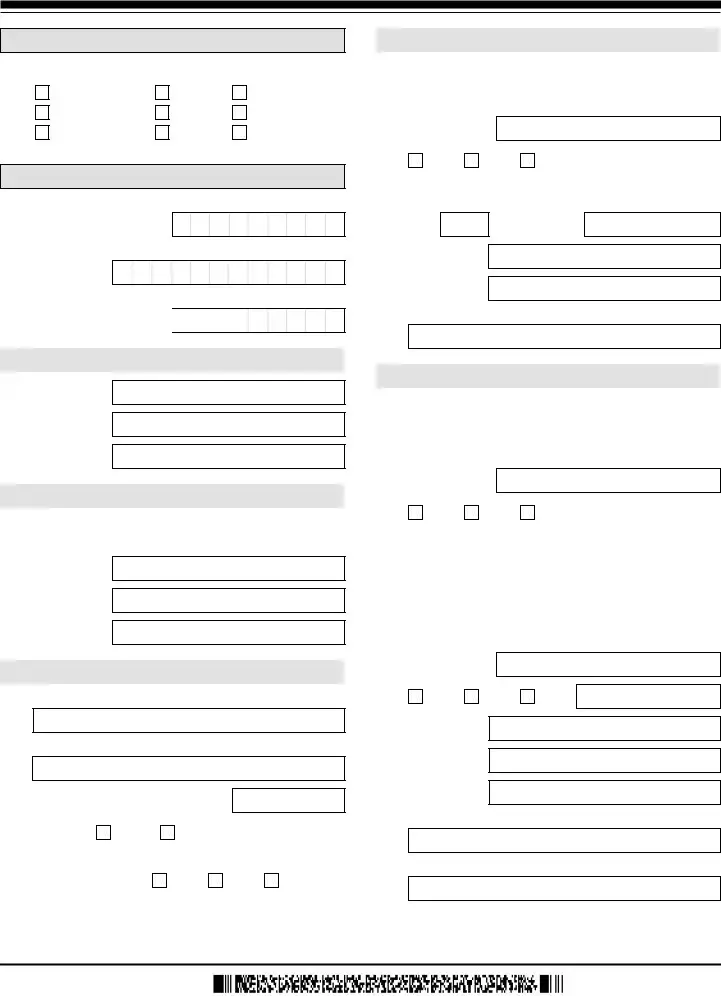
Part 3. Biographic Information (continued)
6.Hair Color (Select only one box)
Bald (No hair) |
Black |
Blond |
Brown |
Gray |
Red |
Sandy |
White |
Unknown/Other |
Part 4. Information About Beneficiary
1.Alien Registration Number
Beneficiary's Physical Address
If the beneficiary lives outside the United States in a home without a street number or name, leave Item Numbers 11.a. and 11.b. blank.
11.a. Street Number
and Name
11.b. |
Apt. |
Ste. |
Flr. |
|
|
11.c. |
City or Town |
|
|
|
|
|
|
|
|
||
|
|
|
|
||
|
|
|
|
|
|
► A-
2.USCIS Online Account Number (if any)
►
3.U.S. Social Security Number (if any)
►
11.d. State
11.f. Province
11.g. Postal Code 11.h. Country
11.e. ZIP Code
Beneficiary's Full Name
4.a. Family Name
(Last Name)
4.b. Given Name
(First Name)
4.c. Middle Name
Other Names Used (if any)
Provide all other names the beneficiary has ever used, including aliases, maiden name, and nicknames.
5.a. Family Name (Last Name)
5.b. Given Name (First Name)
5.c. Middle Name
Other Information About Beneficiary
6.City/Town/Village of Birth
7.Country of Birth
8. |
Date of Birth (mm/dd/yyyy) |
||
9. |
Sex |
Male |
Female |
10.Has anyone else ever filed a petition for the beneficiary?
Yes |
No |
Unknown |
NOTE: Select "Unknown" only if you do not know, and the beneficiary also does not know, if anyone else has ever filed a petition for the beneficiary.
Other Address and Contact Information
Provide the address in the United States where the beneficiary intends to live, if different from Item Numbers 11.a. - 11.h. If the address is the same, type or print "SAME" in Item Number 12.a.
12.a Street Number
and Name
12.b. |
Apt. |
Ste. |
Flr. |
|
|
|||
12.c. |
City or Town |
|
|
|
|
|
|
|
|
|
|
|
|
|
|||
|
|
|
|
|
|
|||
|
|
|
|
|
|
|
||
12.d. |
State |
|
|
|
12.e. ZIP Code |
|
||
|
|
|
|
|||||
|
|
|
|
|
|
|
|
|
Provide the beneficiary's address outside the United States, if different from Item Numbers 11.a. - 11.h. If the address is the same, type or print "SAME" in Item Number 13.a.
13.a. Street Number
and Name
13.b. |
Apt. |
Ste. |
Flr. |
13.c. City or Town
13.d. Province
13.e. Postal Code
13.f. Country
14.Daytime Telephone Number (if any)
Form |
Page 5 of 12 |
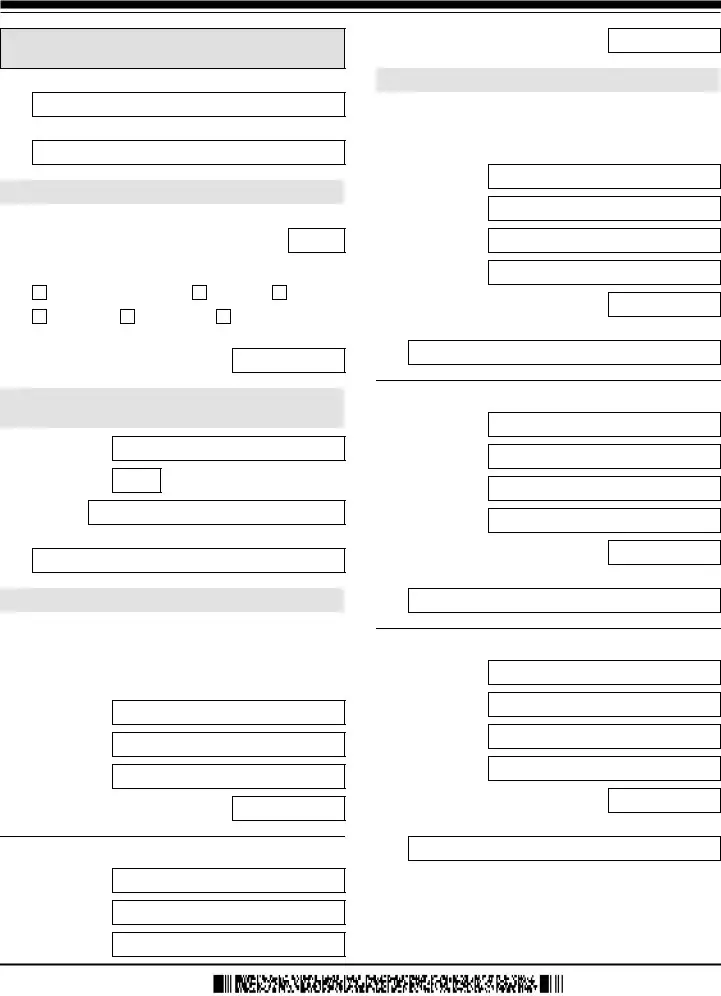
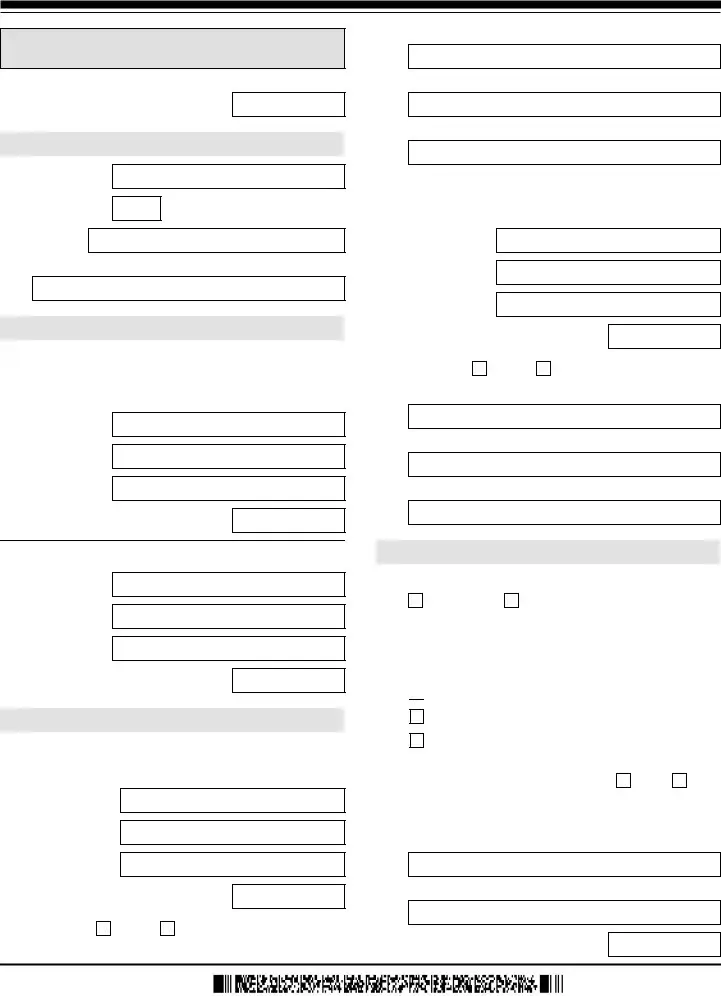
Part 4. Information About Beneficiary
(continued)
15.Mobile Telephone Number (if any)
16.Email Address (if any)
Beneficiary's Marital Information
17.How many times has the beneficiary been married?
►
18.Current Marital Status
Single, Never Married |
Married |
Divorced |
|
Widowed |
Separated |
Annulled |
|
19.Date of Current Marriage (if currently married)
(mm/dd/yyyy)
24. Date Marriage Ended (mm/dd/yyyy)
Information About Beneficiary's Family
Provide information about the beneficiary's spouse and children.
Person 1
25.a. Family Name
(Last Name)
25.b. Given Name
(First Name)
25.c. Middle Name
26. Relationship
27. Date of Birth (mm/dd/yyyy)
28.Country of Birth
Place of Beneficiary's Current Marriage (if married)
20.a. City or Town
20.b. State
20.c. Province
20.d. Country
Names of Beneficiary's Spouses (if any)
Provide information on the beneficiary's current spouse (if currently married) first and then list all the beneficiary's prior spouses (if any).
Spouse 1
21.a. Family Name
(Last Name)
21.b. Given Name
(First Name)
21.c. Middle Name
22. Date Marriage Ended (mm/dd/yyyy)
Person 2
29.a. Family Name
(Last Name)
29.b. Given Name
(First Name)
29.c. Middle Name
30.Relationship
31.Date of Birth (mm/dd/yyyy)
32.Country of Birth
Person 3
33.a. Family Name
(Last Name)
33.b. Given Name
(First Name)
33.c. Middle Name
34.Relationship
35.Date of Birth (mm/dd/yyyy)
36.Country of Birth
Spouse 2
23.a. Family Name
(Last Name)
23.b. Given Name
(First Name)
23.c. Middle Name
Form |
Page 6 of 12 |
| Fact Name | Description |
|---|---|
| Purpose | The I-130 form is used to establish a family relationship for immigration purposes. |
| Eligibility | U.S. citizens and lawful permanent residents can file the I-130 for certain relatives. |
| Processing Time | Processing times can vary significantly, often taking several months to over a year. |
| Filing Fee | The current fee for filing an I-130 is $535, subject to change. |
| Supporting Documents | Applicants must submit proof of the family relationship, such as birth or marriage certificates. |
| Where to File | Filing locations depend on the applicant's location and the relationship type; check USCIS guidelines. |
| Approval Notification | Once approved, USCIS sends a notice to the petitioner and the beneficiary. |
| State-Specific Laws | State laws do not directly govern the I-130, but marriage and family laws can affect documentation. |
| Online Filing | USCIS allows eligible applicants to file the I-130 online through their website. |
| Appeals | If denied, applicants can appeal the decision, but it requires a separate process and form. |
After completing the USCIS I-130 form, you will need to submit it along with the required supporting documents and fees to the appropriate USCIS address. This process is crucial for establishing a qualifying relationship with a family member for immigration purposes.
What is the USCIS I-130 form?
The USCIS I-130 form, also known as the Petition for Alien Relative, is a document filed by a U.S. citizen or lawful permanent resident to establish a qualifying relationship with a foreign relative. This form is the first step in the process of helping a family member immigrate to the United States.
Who can file the I-130 form?
U.S. citizens and lawful permanent residents can file the I-130 form. Citizens can petition for their spouses, children, parents, and siblings. Lawful permanent residents can only petition for their spouses and unmarried children.
What information is required on the I-130 form?
The form requires personal information about both the petitioner and the beneficiary, including names, addresses, dates of birth, and details about the relationship. Supporting documents, such as proof of citizenship or permanent residency and evidence of the relationship, must also be submitted.
How much does it cost to file the I-130 form?
The filing fee for the I-130 form is currently $535. Payment must be made at the time of filing, and it is important to check the USCIS website for the most current fee information, as fees may change.
How long does it take to process the I-130 form?
Processing times for the I-130 form can vary significantly based on the relationship type and the service center handling the application. Generally, it can take anywhere from several months to over a year. Applicants can check the USCIS website for estimated processing times specific to their case.
Can I check the status of my I-130 petition?
Yes, you can check the status of your I-130 petition online through the USCIS website. You will need your receipt number, which is provided after your petition is submitted. This allows you to track the progress of your application.
What happens after the I-130 form is approved?
Once the I-130 form is approved, the next steps depend on whether the beneficiary is in the U.S. or abroad. If the beneficiary is outside the U.S., the case will be forwarded to the National Visa Center for further processing. If the beneficiary is in the U.S., they may be eligible to adjust their status to permanent resident.
Can I appeal if my I-130 petition is denied?
If your I-130 petition is denied, you may have the option to appeal the decision. The denial notice will include information on how to file an appeal and the timeframe for doing so. It is important to carefully review the reasons for denial and address them in your appeal.
Do I need a lawyer to file the I-130 form?
While it is not required to have a lawyer to file the I-130 form, many individuals choose to seek legal assistance to ensure that their application is completed accurately and to help navigate the immigration process. A lawyer can provide valuable guidance and support.
Where do I send my completed I-130 form?
The completed I-130 form should be sent to the appropriate USCIS address, which varies based on the petitioner's location and whether they are filing from within the U.S. or abroad. It is crucial to check the USCIS website for the correct mailing address to ensure timely processing.
Failing to provide accurate personal information. This includes names, addresses, and dates of birth. Inaccuracies can lead to delays or denials.
Not signing the form. The I-130 must be signed by the petitioner. An unsigned form will be rejected.
Inadequate supporting documentation. Petitions require evidence of the relationship, such as marriage certificates or birth certificates. Missing documents can cause processing issues.
Using outdated versions of the form. Always ensure that the most current version of the I-130 is being used. Submitting an outdated form can result in rejection.
Incorrect payment of fees. The filing fee must be paid in the correct amount and form. Insufficient or incorrect payments can delay processing.
Not following instructions for submission. Each form has specific guidelines regarding how and where to submit it. Ignoring these can lead to unnecessary complications.
When filing the USCIS I-130 form, which is the Petition for Alien Relative, it's important to include several other documents to support your application. These documents help establish the relationship between the petitioner and the beneficiary, as well as provide necessary background information. Below is a list of commonly required forms and documents that accompany the I-130.
Including these documents with the I-130 form is crucial for a smooth application process. Each piece of evidence helps USCIS understand the nature of your relationship and your eligibility for the immigration benefits sought. Always double-check the requirements for your specific case, as they can vary based on individual circumstances.
The USCIS I-130 form, also known as the Petition for Alien Relative, shares similarities with the I-485 form, which is the Application to Register Permanent Residence or Adjust Status. Both forms are essential in the immigration process, but they serve different purposes. The I-130 establishes a qualifying relationship between a U.S. citizen or lawful permanent resident and a foreign relative, while the I-485 is used by that relative to apply for a green card. They are often filed together in family-based immigration cases, creating a pathway for family reunification.
Another document that resembles the I-130 is the I-140 form, or the Immigrant Petition for Alien Worker. Like the I-130, the I-140 is a petition submitted to USCIS, but it focuses on employment-based immigration rather than family relationships. Both forms require evidence to support the claims made, such as proof of relationships or qualifications. They serve as gateways to obtaining permanent residency, but the I-140 is specifically for individuals who have job offers or possess extraordinary abilities in their fields.
The I-751 form, or Petition to Remove Conditions on Residence, is also comparable to the I-130. The I-751 is filed by individuals who obtained conditional residency through marriage and need to prove that the marriage is genuine. Similar to the I-130, it requires substantial documentation to demonstrate the legitimacy of the relationship. Both forms are integral to the immigration process for spouses of U.S. citizens, though the I-751 focuses on removing conditions rather than establishing the initial relationship.
Lastly, the I-129F form, or Petition for Alien Fiancé(e), is another document that parallels the I-130. This form is used to bring a fiancé(e) to the United States for marriage. Like the I-130, it requires proof of a bona fide relationship and is a crucial step in family-based immigration. Both forms facilitate the reunion of family members, but the I-129F is specifically designed for individuals who plan to marry a U.S. citizen, highlighting the nuances in family immigration pathways.
When filling out the USCIS I-130 form, it's important to follow specific guidelines to ensure a smooth application process. Below are some do's and don'ts to keep in mind.
The USCIS I-130 form is an essential document for family-based immigration, but several misconceptions surround it. Here are six common misunderstandings:
Many people believe that submitting the I-130 form automatically results in a visa for their relative. In reality, the I-130 is just the first step in a longer process. Approval of the I-130 does not guarantee that a visa will be issued.
While U.S. citizens can file for immediate relatives, lawful permanent residents (green card holders) can also file an I-130 for their spouses and unmarried children. This is a common misconception that limits understanding of eligibility.
Some believe that they can file the I-130 for free. However, there is a filing fee associated with this form. It’s essential to check the current fee on the USCIS website before submitting.
Many assume that the I-130 form must be filed in person at a USCIS office. In fact, the form can be filed by mail. This offers flexibility for applicants who may not be able to visit an office.
Some individuals think that once the I-130 is approved, their relative can move to the U.S. immediately. However, the approval process can take time, and additional steps, such as applying for a visa or adjustment of status, are necessary.
People often believe that every I-130 application will be processed in the same timeframe. Processing times can vary significantly based on factors like the relationship type and the applicant's country of origin.
Filling out the USCIS I-130 form can be a crucial step in the immigration process. Here are some key takeaways to consider:
By following these guidelines, you can navigate the I-130 process with greater confidence and clarity. Proper preparation is key to ensuring a smoother experience.