Creating an effective soccer training session requires careful planning and organization. The Soccer Training Session Plan form serves as a vital tool for coaches to structure their practices. It includes essential components such as the lesson plan name, date, and topic, allowing coaches to clearly outline their goals for each session. Key coaching points are highlighted, ensuring that the focus remains on the most important skills and strategies. The form also breaks down the session into various activities, starting with a technical warm-up to prepare players physically and mentally. Coaches can then outline small-sided activities that promote teamwork and skill development, followed by expanded small-sided games that increase complexity. Finally, the form allows for a final game, providing an opportunity to apply what has been learned in a competitive setting. Line-ups for the final game can be recorded, ensuring that all players are accounted for and ready to participate. This structured approach not only enhances the training experience but also helps coaches track progress over time.

Lesson Plan Form
Name: _____________________________________________________ Date: _________________________
Topic: _____________________________________________________________________________________
Key Coaching Points |
Activity |
Technical |
|
|
|
_ _ _ _ _ _ _ _ _ _ _ _ _ _ _ _ _ _ _ _ _ _ _ _ _ _ _ _ _ _ _ _ _ _ _ _ _ _ _ _ |
|
_ _ _ _ _ _ _ _ _ _ _ _ _ _ _ _ _ _ _ _ _ _ _ _ _ _ _ _ _ _ _ _ _ _ _ _ _ _ _ _ |
|
_ _ _ _ _ _ _ _ _ _ _ _ _ _ _ _ _ _ _ _ _ _ _ _ _ _ _ _ _ _ _ _ _ _ _ _ _ _ _ _ |
|
|
|
|
|
__________________________________________________ |
|
__________________________________________________ |
|
__________________________________________________ |
|
__________________________________________________ |
|
Expanded |
|
|
|
|
|
|
|
Final game
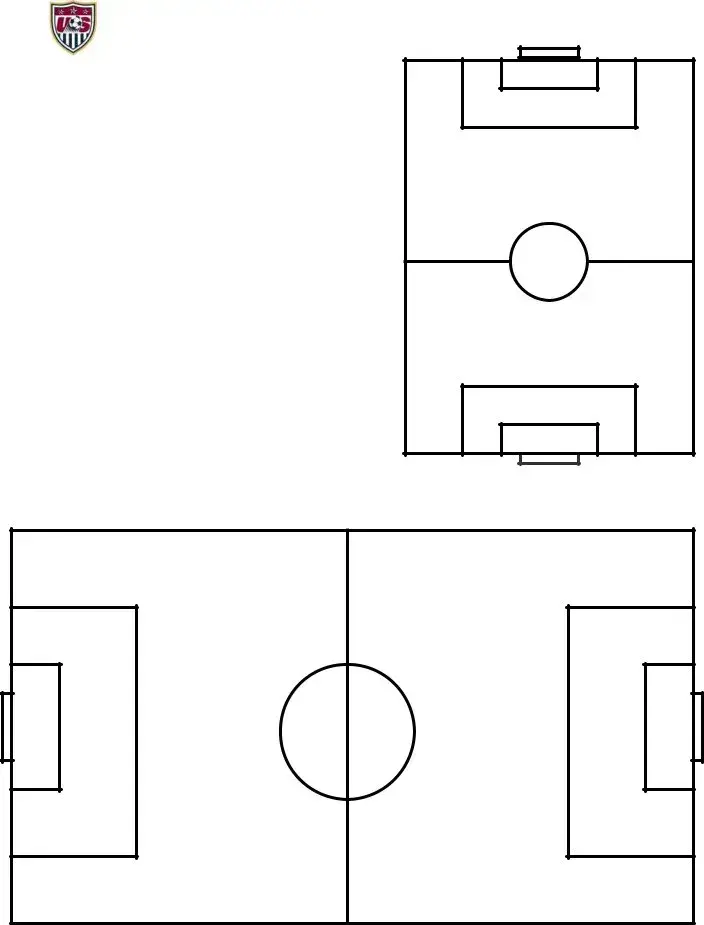
_ _ _ _ _ __ _ _ _ _ _ _ _ _ _ _ _ K _ _ _ __ _ _ _ _ _ _ _ _ _ _ _ _ _
_ _ _ _ _ __ _ _ _ _ _ _ _ _ _ _ _ 2 _ _ _ __ _ _ _ _ _ _ _ _ _ _ _ _ _
_ _ _ _ _ __ _ _ _ _ _ _ _ _ _ _ _ 3 _ _ _ __ _ _ _ _ _ _ _ _ _ _ _ _ _
_ _ _ _ _ __ _ _ _ _ _ _ _ _ _ _ _ 4 _ _ _ __ _ _ _ _ _ _ _ _ _ _ _ _ _
_ _ _ _ _ __ _ _ _ _ _ _ _ _ _ _ _ 5 _ _ _ __ _ _ _ _ _ _ _ _ _ _ _ _ _
_ _ _ _ _ __ _ _ _ _ _ _ _ _ _ _ _ 6 _ _ _ __ _ _ _ _ _ _ _ _ _ _ _ _ _
_ _ _ _ _ __ _ _ _ _ _ _ _ _ _ _ _ 7 _ _ _ __ _ _ _ _ _ _ _ _ _ _ _ _ _
_ _ _ _ _ __ _ _ _ _ _ _ _ _ _ _ _ 8 _ _ _ __ _ _ _ _ _ _ _ _ _ _ _ _ _
_ _ _ _ _ __ _ _ _ _ _ _ _ _ _ _ _ 9 _ _ _ __ _ _ _ _ _ _ _ _ _ _ _ _ _
_ _ _ _ _ __ _ _ _ _ _ _ _ _ _ _ _ 1 0 _ _ __ _ _ _ _ _ _ _ _ _ _ _ _ _
_ _ _ _ _ __ _ _ _ _ _ _ _ _ _ _ _ 1 1 _ _ _ _ _ _ _ _ _ _ _ _ _ _ _ _ _ _
| Fact Name | Description |
|---|---|
| Form Purpose | The Soccer Training Session Plan form is designed to help coaches organize and document their training sessions effectively. |
| Key Components | The form includes sections for the lesson plan name, date, topic, key coaching points, and various activities such as technical warm-ups and small-sided games. |
| Activity Structure | Activities are structured to include a technical warm-up, small-sided activity, an expanded small-sided activity, and a final game, promoting skill development and teamwork. |
| Line-ups | The form provides space for coaches to outline player line-ups for different activities, ensuring proper organization and team dynamics during training. |
| State-Specific Requirements | Some states may have specific governing laws related to youth sports and coaching, which can impact how training sessions are planned and executed. |
Filling out the Soccer Training Session Plan form is an important step in organizing an effective training session. This form helps you outline the key elements of your session, ensuring that you cover all necessary aspects for a successful practice. Follow these steps to complete the form accurately.
What information is required to complete the Soccer Training Session Plan form?
The Soccer Training Session Plan form requires several key pieces of information. First, you need to fill in your name and the date of the training session. Next, specify the topic of the session, which helps to clarify the focus for both coaches and players. Additionally, the form includes sections for key coaching points, a technical warm-up, small-sided activities, an expanded small-sided activity, and a final game. Line-ups for each team should also be detailed, ensuring that every participant is accounted for.
How can the Soccer Training Session Plan enhance the effectiveness of a training session?
A well-structured Soccer Training Session Plan serves as a roadmap for coaches and players. By outlining the objectives and activities in advance, it promotes organization and clarity. Coaches can focus on specific skills or strategies, ensuring that training is purposeful. Furthermore, the plan allows for evaluation and adjustments, enabling coaches to refine their approach based on the players' progress and needs. Engaging players with a clear plan can enhance their learning experience and overall performance on the field.
What are the benefits of including both small-sided and expanded small-sided activities in the training session?
Incorporating both small-sided and expanded small-sided activities into the training session offers several advantages. Small-sided games typically emphasize individual skill development and quick decision-making, as players have more opportunities to touch the ball and engage in play. On the other hand, expanded small-sided activities allow for a broader tactical understanding of the game. Players learn to work as a team and develop strategies in a more realistic game-like scenario. This combination fosters a comprehensive skill set, preparing players for various situations during actual matches.
How should coaches use the line-up section of the form effectively?
The line-up section of the Soccer Training Session Plan form is crucial for organizing team structure. Coaches should list players in a way that reflects their positions and roles during the training session. This organization helps players understand their responsibilities and fosters teamwork. By preparing the line-ups ahead of time, coaches can also ensure that all players receive equal opportunities to participate, which is essential for skill development and team cohesion. Adjustments can be made as needed, based on player performance and development goals.
Leaving fields blank: It's essential to fill in all required fields. Missing information can lead to confusion and miscommunication.
Not specifying the date: Forgetting to include the date of the training session can create scheduling issues. Always ensure the date is clearly written.
Vague topic descriptions: Providing a detailed topic helps in understanding the focus of the session. Avoid generic terms and be specific about what will be covered.
Skipping key coaching points: Key coaching points are crucial for guiding the session. Make sure to outline these clearly to enhance the effectiveness of the training.
Inadequate activity descriptions: Each activity should be described thoroughly. This ensures that everyone understands the objectives and methods of each part of the session.
Incorrect line-ups: Double-check the line-ups for accuracy. Mistakes here can disrupt the flow of the game and affect player performance.
The Soccer Training Session Plan form is a vital tool for coaches to structure and deliver effective training sessions. However, several other documents complement this form to enhance the training experience and ensure comprehensive planning. Below is a list of related forms and documents commonly used in conjunction with the Soccer Training Session Plan.
Utilizing these documents alongside the Soccer Training Session Plan form can significantly enhance the coaching process. They provide structure, facilitate communication, and promote player development, ultimately leading to a more effective training environment.
The Soccer Training Session Plan form shares similarities with a Lesson Plan Template used in educational settings. Both documents outline a structured approach to delivering content. Just as a teacher maps out their objectives and key points for a class, a soccer coach details their training goals and activities. Each form emphasizes the importance of preparation and clarity, ensuring that both educators and coaches can effectively communicate their plans to participants.
Another document that resembles the Soccer Training Session Plan is the Coaching Philosophy Statement. This statement captures a coach's beliefs and values regarding training and competition. Like the session plan, it serves as a guide, helping coaches stay aligned with their objectives. Both documents require reflection on what is essential for player development, fostering a consistent approach to training.
The Practice Schedule is also similar to the Soccer Training Session Plan. This document outlines the timing and sequence of various training activities. Both emphasize organization and time management. A well-structured practice schedule ensures that every minute is utilized effectively, just as a training session plan details the flow of activities to maximize player engagement and skill development.
The Game Strategy Outline shares common ground with the Soccer Training Session Plan as well. Both documents focus on preparing for specific scenarios, whether in practice or during a match. Coaches use the strategy outline to map out plays and tactics, similar to how they use the session plan to prepare players for various game situations. Both require careful thought about the strengths and weaknesses of the team.
The Player Development Plan is another document akin to the Soccer Training Session Plan. This plan outlines individual goals for players, focusing on their growth and improvement. Like the session plan, it encourages coaches to think critically about each player's needs and how to address them during training. Both documents aim to foster an environment conducive to learning and skill enhancement.
A Training Log is also comparable to the Soccer Training Session Plan. This log tracks the progress of training sessions over time, detailing what activities were conducted and how players responded. Both documents serve as records of development, helping coaches analyze what works and what needs adjustment. They provide a means to reflect on past sessions and inform future planning.
Lastly, the Match Report can be seen as similar to the Soccer Training Session Plan. After a game, coaches often compile reports to evaluate performance and highlight areas for improvement. Like the session plan, the match report requires a thoughtful assessment of what occurred, allowing coaches to adjust future training sessions based on the insights gained. Both documents play a crucial role in continuous improvement for players and teams.
When it comes to filling out the Soccer Training Session Plan form, there are some important dos and don’ts to keep in mind. Following these guidelines can help ensure that your session is well-organized and effective.
Misconceptions can often cloud our understanding of important tools like the Soccer Training Session Plan form. Here are four common misconceptions:
Filling out and using the Soccer Training Session Plan form is essential for effective coaching. Here are ten key takeaways to consider: