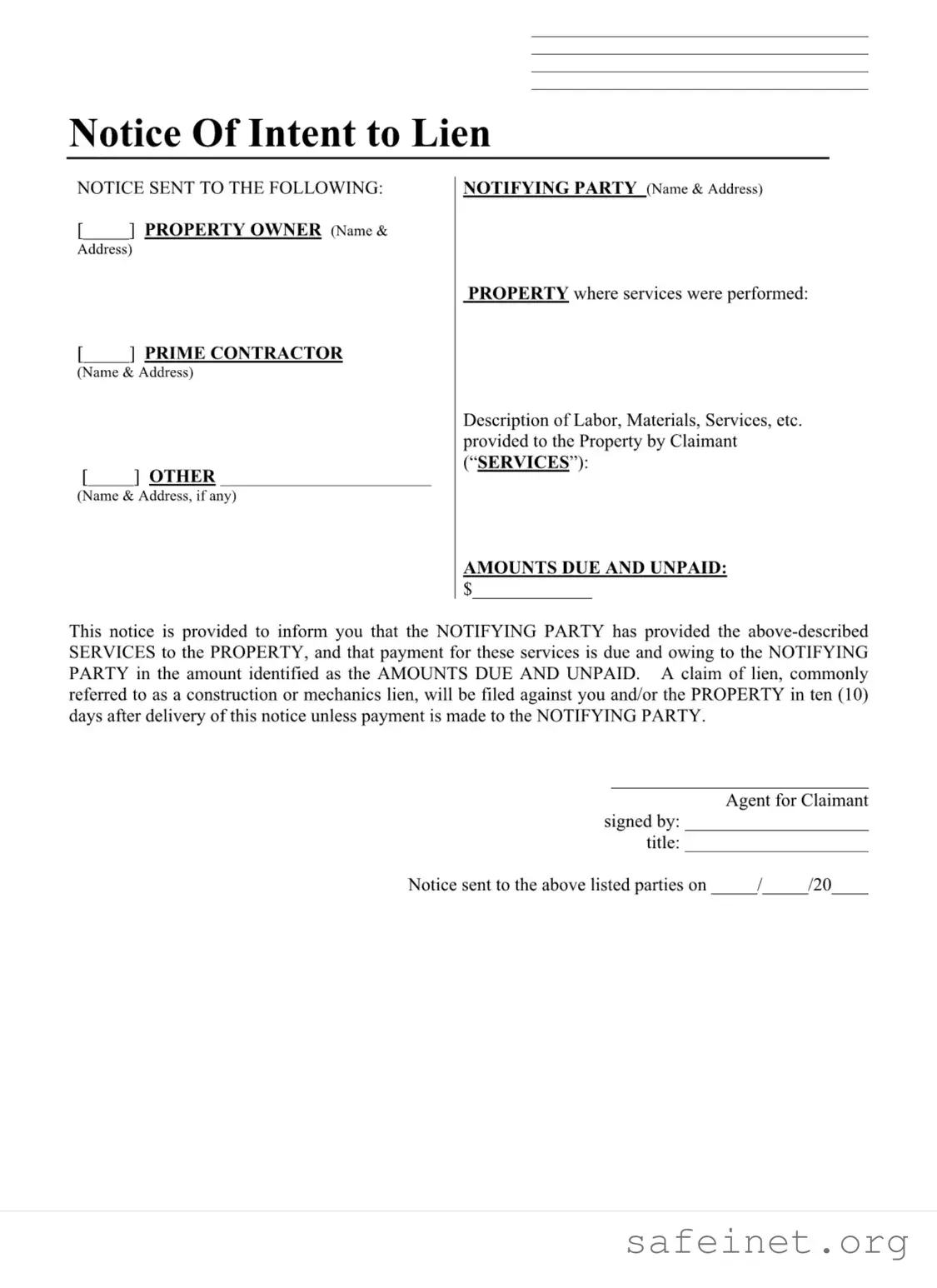
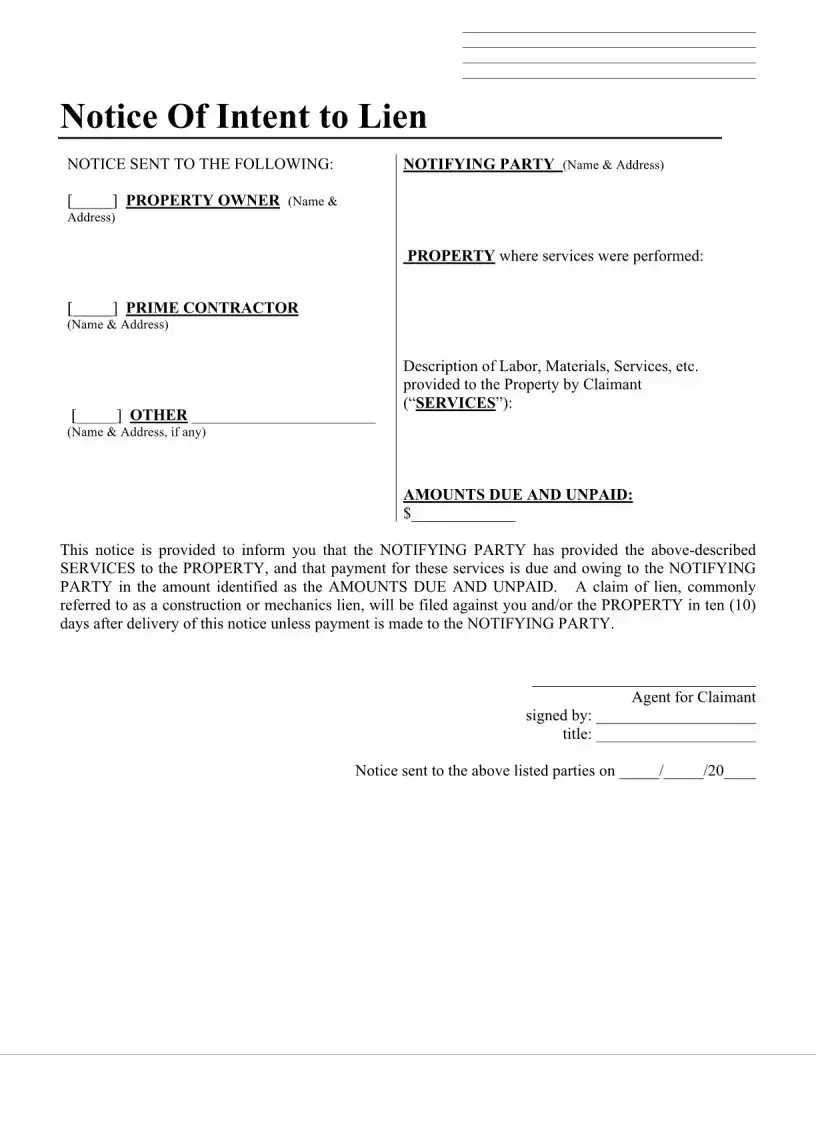
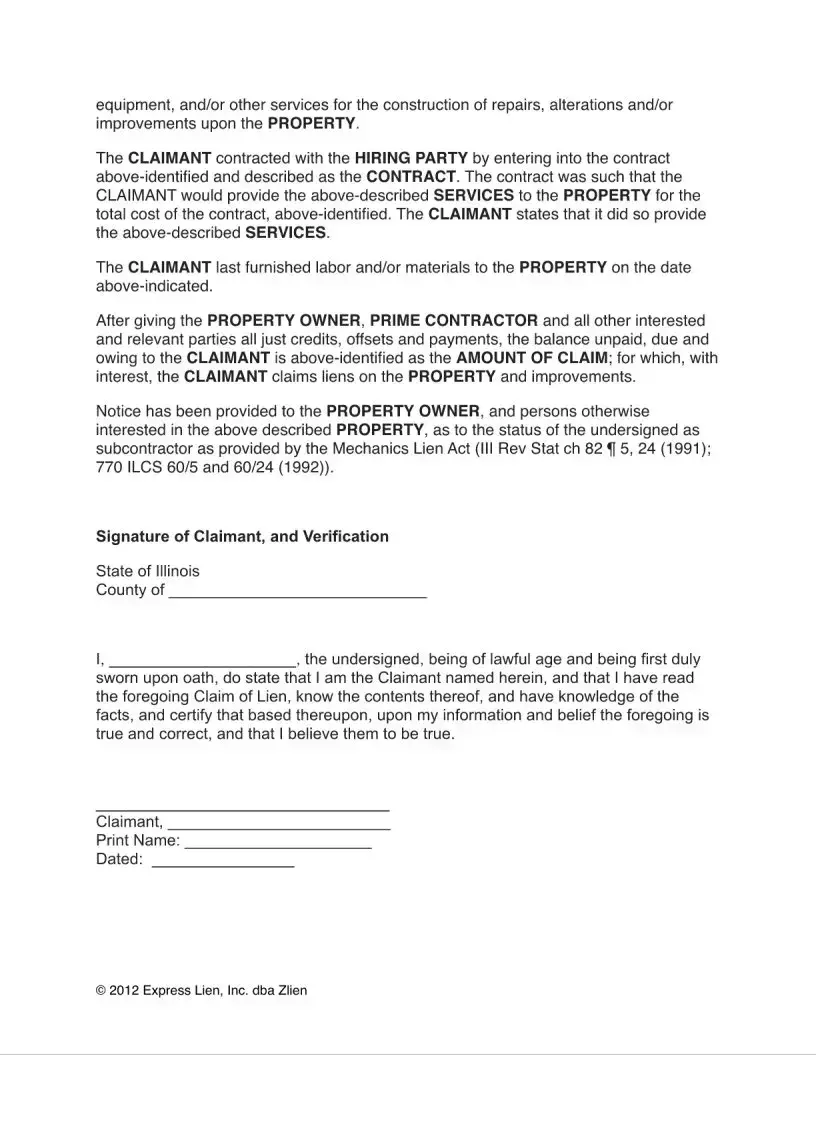
The Illinois Notice Lien form serves as a crucial tool for subcontractors and suppliers seeking to secure payment for their labor and materials provided on a construction project. This form initiates a formal notice to the property owner and prime contractor, detailing the services rendered and the amounts due. It includes essential information such as the names and addresses of the property owner, prime contractor, and notifying party, ensuring that all relevant parties are informed. The form specifies the property where the work was performed, along with a description of the labor and materials supplied. By outlining the total amount owed, the form warns that a mechanics lien may be filed if payment is not received within ten days of notice delivery. This proactive step is vital for protecting the rights of those who contribute to the construction process, as it establishes a legal claim against the property in question. Additionally, the form requires the claimant's signature and verification, underscoring the importance of accuracy and honesty in the claims process. Understanding the nuances of this form is essential for anyone involved in the construction industry in Illinois, as it can significantly impact the ability to recover unpaid debts.

| Fact Name | Details |
|---|---|
| Purpose of the Notice | The Illinois Notice Lien form serves to inform property owners and contractors that payment is due for services rendered. It acts as a precursor to filing a mechanics lien. |
| Governing Law | This form is governed by the Illinois Mechanics Lien Act, specifically under 770 ILCS 60/5 and 60/24. |
| Delivery Timeline | A claim of lien may be filed ten days after this notice is sent if payment is not received. |
| Required Information | The form must include details such as the property owner's name and address, the prime contractor's information, and a description of the services provided. |
| Amounts Due | The notice specifies the total amount due for services rendered, which must be clearly stated to avoid confusion. |
| Signature Requirement | The form must be signed by the claimant, affirming that the information provided is accurate and complete. |
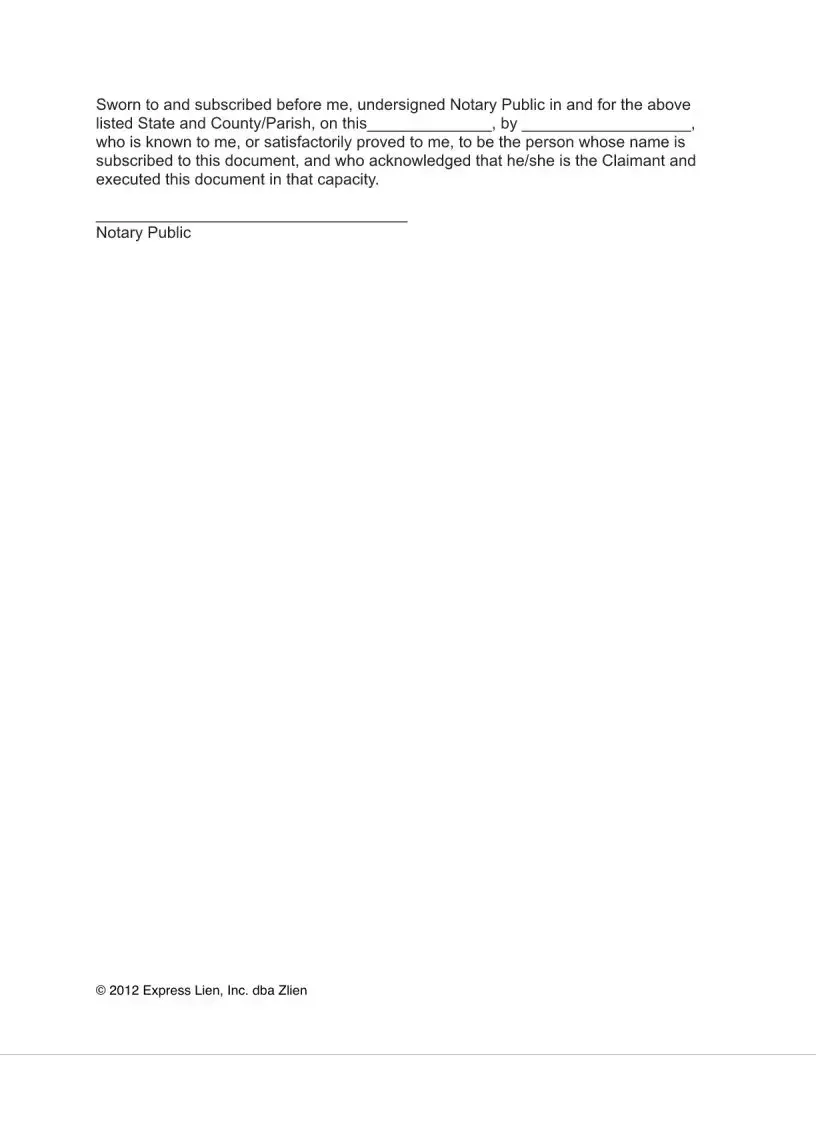
| Notary Public | To validate the document, it must be sworn and subscribed before a notary public, ensuring its legal standing. |
After completing the Illinois Notice Lien form, it is essential to ensure that all information is accurate and clearly presented. Once filled out, the form must be sent to the relevant parties to notify them of the lien. This step is crucial for protecting the rights of the claimant and ensuring that payment is pursued effectively.
What is the Illinois Notice Lien form?
The Illinois Notice Lien form is a legal document used to notify property owners and contractors that a claimant has provided services, materials, or labor for a property and has not been paid. This form serves as a formal warning that if payment is not made within ten days, the claimant may file a mechanics lien against the property. It includes essential details such as the property owner's information, the services provided, and the amount due.
Who should use the Illinois Notice Lien form?
This form is primarily used by subcontractors, suppliers, or anyone who has provided labor or materials for a construction project and has not received payment. It is a critical step for these parties to protect their rights to payment under Illinois law. Property owners and general contractors may also receive this notice to be informed of potential liens against the property.
What information is required to complete the form?
To properly complete the Illinois Notice Lien form, you will need to provide the following information: the names and addresses of the property owner, prime contractor, and notifying party; a description of the services or materials provided; the amount due and unpaid; and the date when the notice is sent. Additionally, the form requires signatures from the claimant and possibly a notary public.
What happens after the notice is sent?
Once the notice is sent, the property owner has ten days to respond by making payment. If the payment is not made within this timeframe, the claimant may proceed to file a mechanics lien against the property. This lien serves as a legal claim against the property for the amount owed and can impact the owner's ability to sell or refinance the property until the debt is resolved.
Is there a specific format for sending the notice?
While there is no specific format mandated by law for sending the Illinois Notice Lien form, it is advisable to send it via certified mail or another method that provides proof of delivery. This ensures that there is a record showing that the notice was sent and received by the appropriate parties.
Can the notice be sent to multiple parties?
Yes, the Illinois Notice Lien form allows for notification to multiple parties. It is important to include all relevant parties, such as the property owner, prime contractor, and any other interested parties. This ensures that everyone involved is aware of the potential lien and the outstanding payment.
What should I do if I receive a Notice Lien?
If you receive a Notice Lien, it is crucial to review the information carefully. Verify the claims made and assess whether payment is due. If you believe the claim is valid, make arrangements to settle the debt promptly. If you dispute the claim, consider seeking legal advice to understand your options and the implications of the lien.
Omitting Required Information: Many people forget to fill in essential details such as the names and addresses of the property owner, prime contractor, and notifying party. Missing this information can lead to delays or complications in the lien process.
Incorrect Amounts: It's crucial to ensure that the amounts due and unpaid are accurately stated. Errors in this section can undermine the validity of the lien.
Failure to Sign: Some individuals neglect to sign the form. A signature is necessary to validate the document and confirm that the claimant is indeed filing the lien.
Notifying the Wrong Parties: Make sure that all relevant parties receive notice. Sending the notice to incorrect addresses or individuals can result in the lien being challenged.
Missing Dates: Dates are vital in this form. Failing to include the date of last furnishing labor or materials can create confusion regarding the timeline of the claim.
Improper Description of Services: The description of the labor, materials, or services provided should be clear and detailed. Vague descriptions may weaken the claim.
Not Including Change Orders: If there were any changes to the original contract, these should be documented. Not accounting for change orders can affect the amount due.
Ignoring Notary Requirements: Some individuals overlook the need for notarization. A notary public must witness the signing of the document to ensure its legal validity.
The Illinois Notice Lien form is a critical document used in the construction industry to notify property owners of unpaid services. However, it is often accompanied by several other forms and documents that help clarify and enforce the rights of those providing labor or materials. Below is a list of related documents commonly used alongside the Illinois Notice Lien form.
Understanding these documents is essential for anyone involved in construction projects in Illinois. They help establish clear communication and protect the rights of all parties involved. Proper use of these forms can prevent disputes and ensure timely payments for services rendered.
The Illinois Notice Lien form shares similarities with the Preliminary Notice, which is often used in construction projects to inform property owners and general contractors about the involvement of subcontractors and suppliers. This document typically outlines the services provided and warns that a lien may be filed if payment is not received. Like the Notice Lien, the Preliminary Notice serves as a proactive measure to protect the rights of those who contribute labor or materials to a project, ensuring that they have a legal claim if payment issues arise.
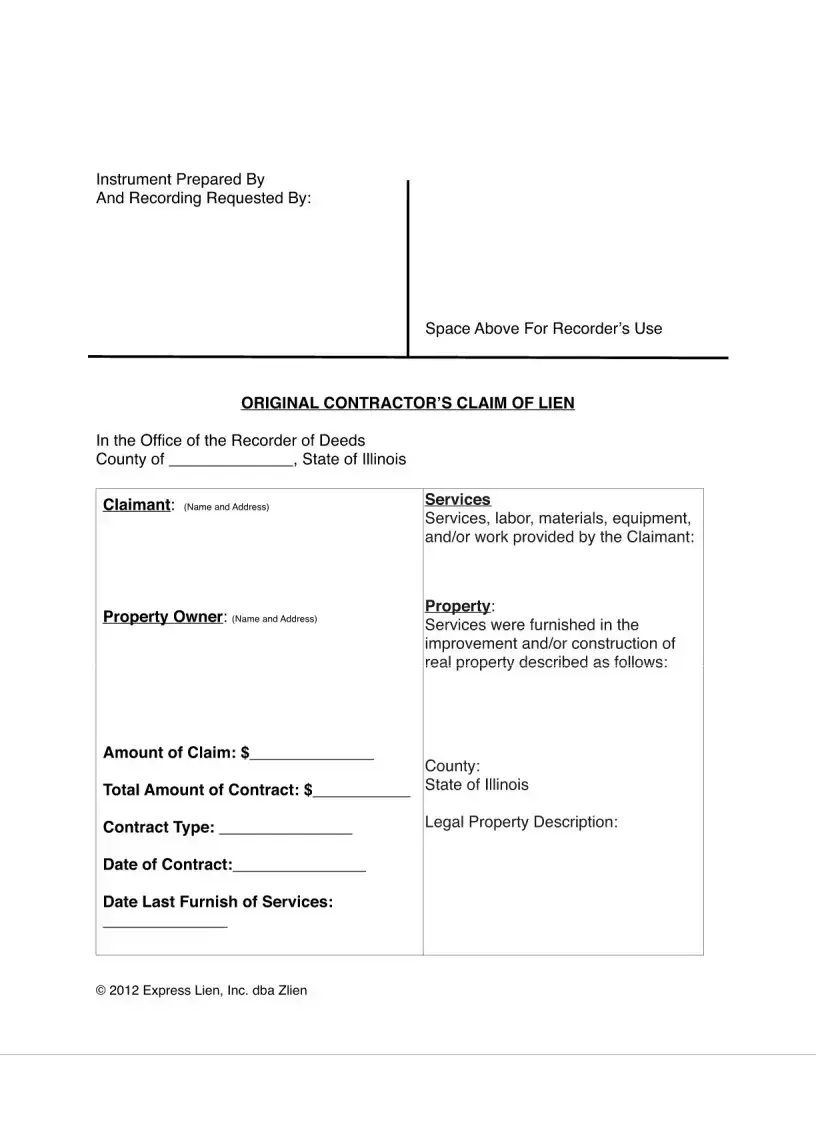
Another document comparable to the Illinois Notice Lien form is the Mechanics Lien. This legal claim is filed against a property when a contractor, subcontractor, or supplier has not been paid for services rendered. The Mechanics Lien provides a formal assertion of a right to payment and can ultimately lead to a forced sale of the property to satisfy the debt. Both documents serve to secure payment for services but differ in that the Mechanics Lien is a more formalized claim filed after payment disputes have occurred.
The Notice of Intent to Lien is also similar, as it serves as a warning to property owners that a lien will be filed unless payment is made. This notice typically includes details about the services provided and the amounts due. Like the Illinois Notice Lien, it aims to inform the property owner of the impending legal action and encourages prompt payment to avoid complications.
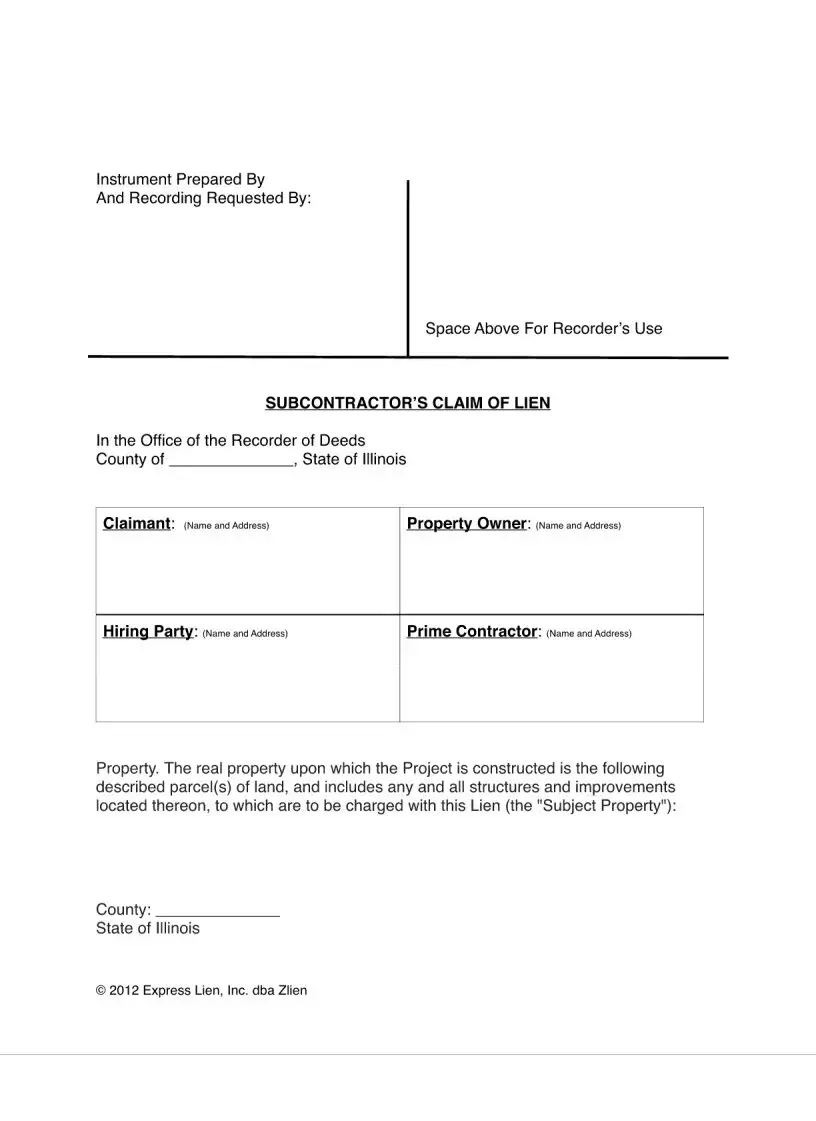
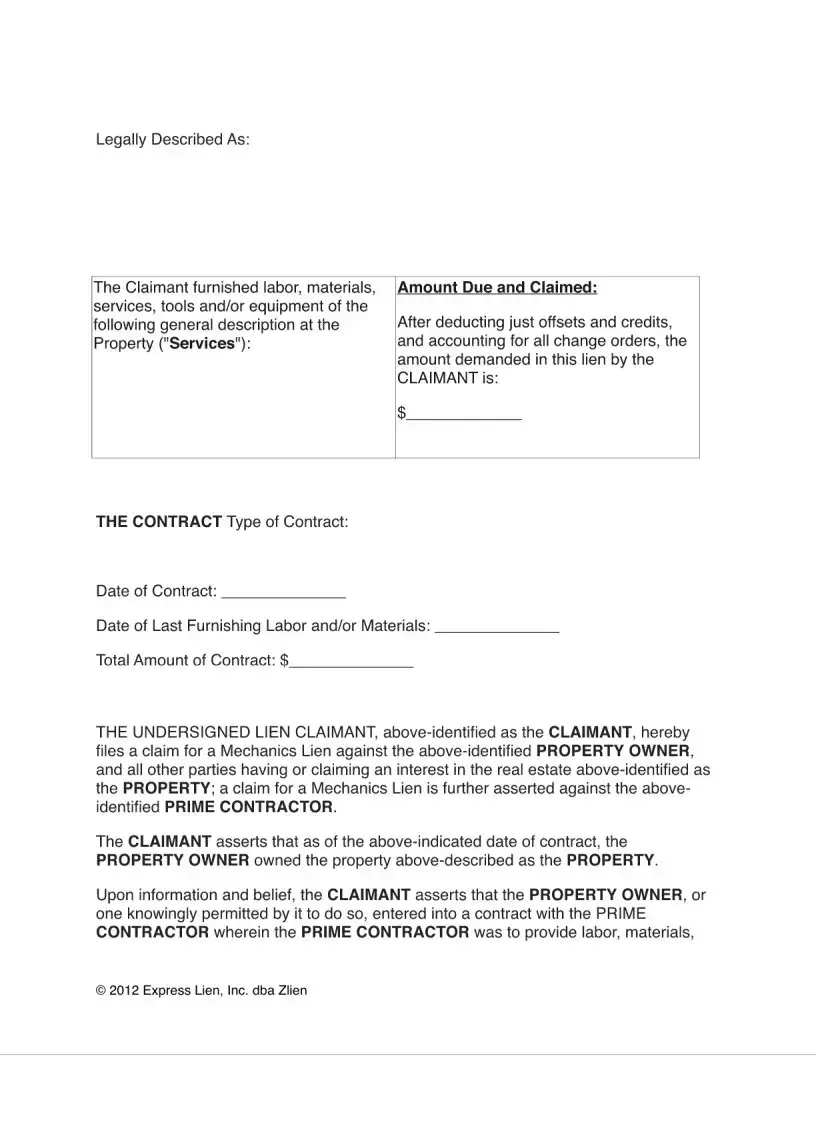
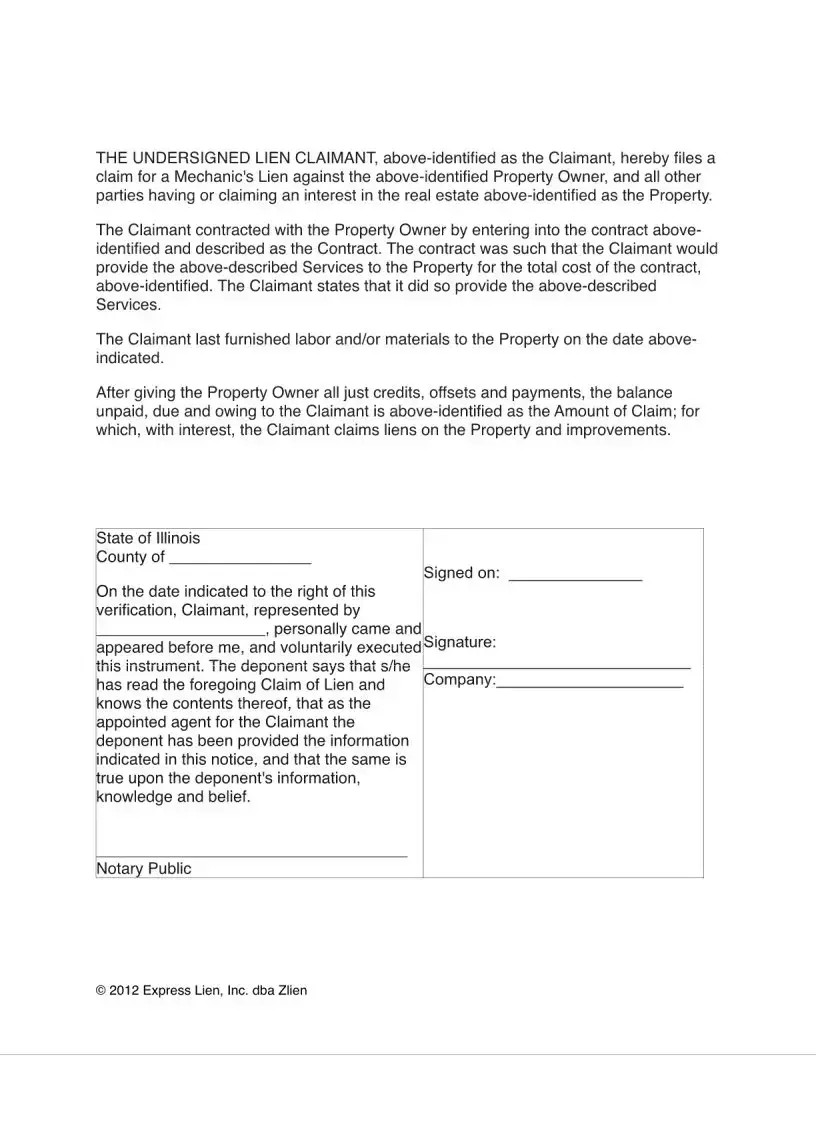
The Claim of Lien form is another document that closely resembles the Illinois Notice Lien form. It is used to officially declare a lien against a property due to unpaid debts for services or materials. This form requires detailed information about the claimant, the property, and the amount owed. Both documents aim to protect the rights of those who have contributed to a construction project by establishing a claim against the property.
The Subcontractor’s Lien is similar in that it specifically addresses the rights of subcontractors who have not been compensated for their work. This document outlines the services provided and the amounts owed, similar to the Illinois Notice Lien. It serves to notify the property owner and general contractor of the unpaid debts and the potential for a lien if the situation is not resolved.
The Notice of Non-Payment is another related document. This notice is sent when a payment has been missed, alerting the property owner and other involved parties that payment is overdue. It functions similarly to the Illinois Notice Lien by providing a formal notification of the payment issue, although it may not always lead to a lien being filed.
The Affidavit of Lien is akin to the Illinois Notice Lien form in that it serves to formally document the claim against the property. This affidavit includes detailed information about the services provided and the amount owed, reinforcing the claimant's right to seek payment through a lien. Both documents are essential tools for ensuring that contractors and suppliers can assert their rights in the event of non-payment.
The Waiver of Lien is another document that contrasts with the Illinois Notice Lien. While the Notice Lien serves to assert a claim, the Waiver of Lien is used to relinquish that claim after payment has been made. This document provides assurance to property owners that no further claims will be made regarding the services provided, establishing a clear resolution to the payment issue.
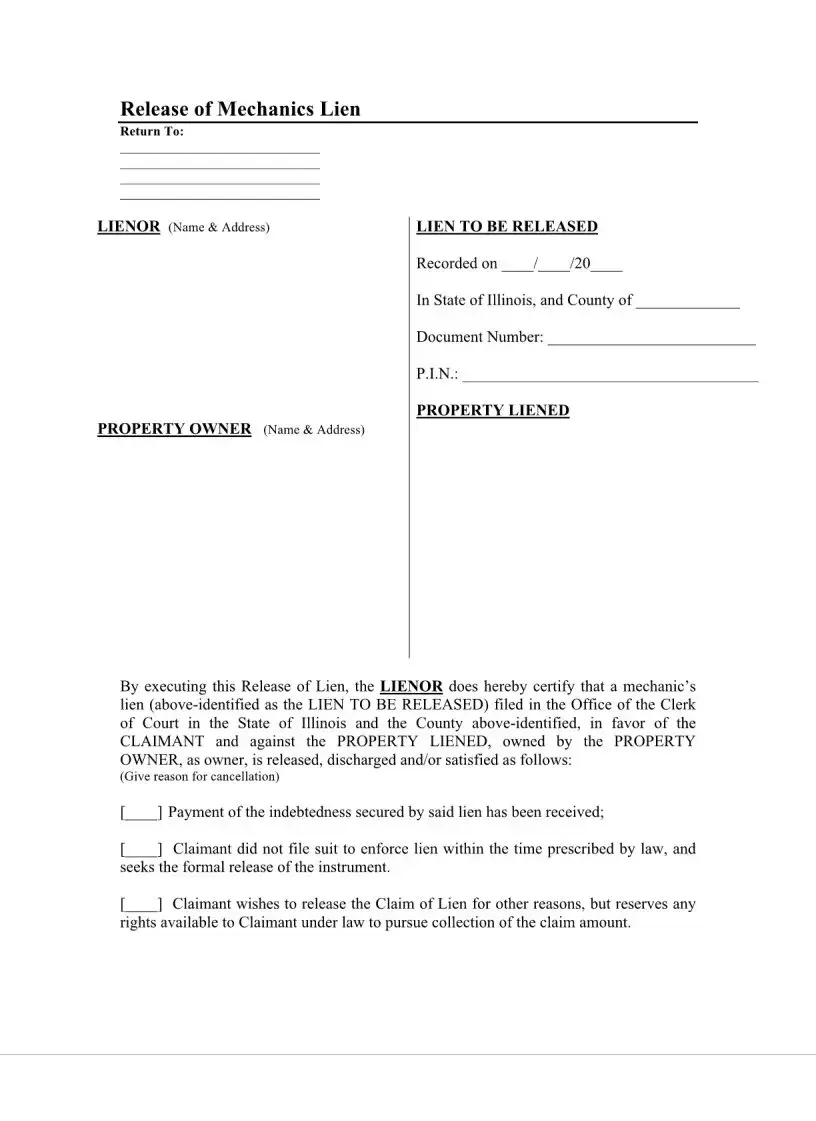
Finally, the Release of Lien is similar in that it formally removes a previously filed lien once payment has been received. This document is crucial for property owners to clear any claims against their property and to confirm that the contractor or supplier has been compensated. Both the Release of Lien and the Illinois Notice Lien serve important roles in the construction payment process, but they operate at different stages of that process.
When filling out the Illinois Notice Lien form, it is important to follow specific guidelines to ensure accuracy and compliance. Below is a list of actions to take and avoid.
Understanding the Illinois Notice Lien form is crucial for property owners, contractors, and subcontractors. However, several misconceptions can lead to confusion. Here are five common misconceptions:
This form is not limited to contractors. Subcontractors and suppliers can also use it to assert their rights to payment for services rendered.
While the Notice Lien serves as a formal request for payment, it does not guarantee that payment will be made. It is a step in the process of securing a lien, but additional actions may be necessary.
The Notice Lien should be sent as soon as possible after services are provided, but there is a specific timeframe in which it must be filed to be effective. Waiting too long can jeopardize the claim.
The Notice Lien can include amounts due and unpaid, but it can also address any offsets or credits that may apply. Accurate accounting is essential.
The Notice Lien is a preliminary step that alerts property owners of potential lien claims. A mechanics lien is a more formal claim filed later if payment is not received.
Filing and utilizing the Illinois Notice Lien form requires careful attention to detail. Here are key takeaways to keep in mind: