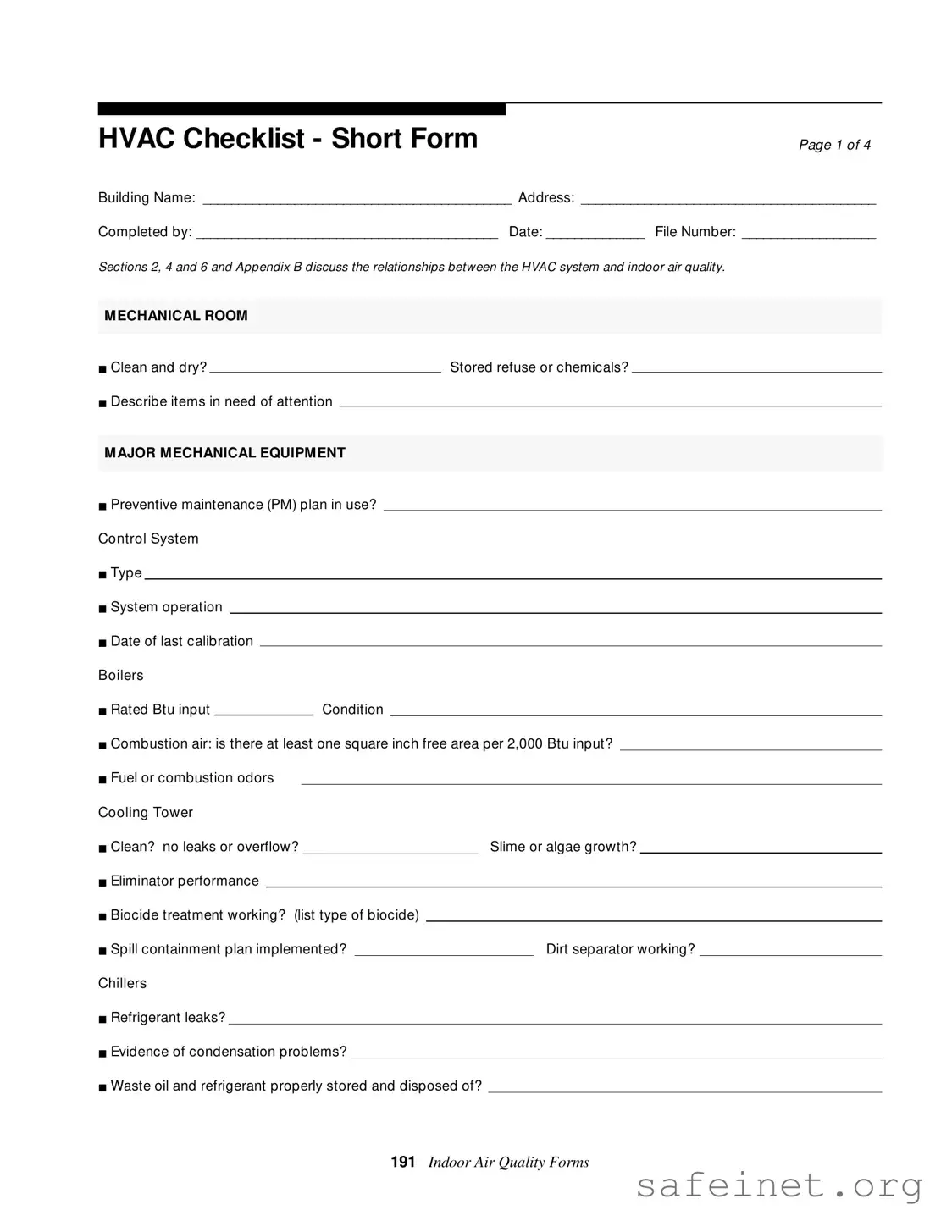
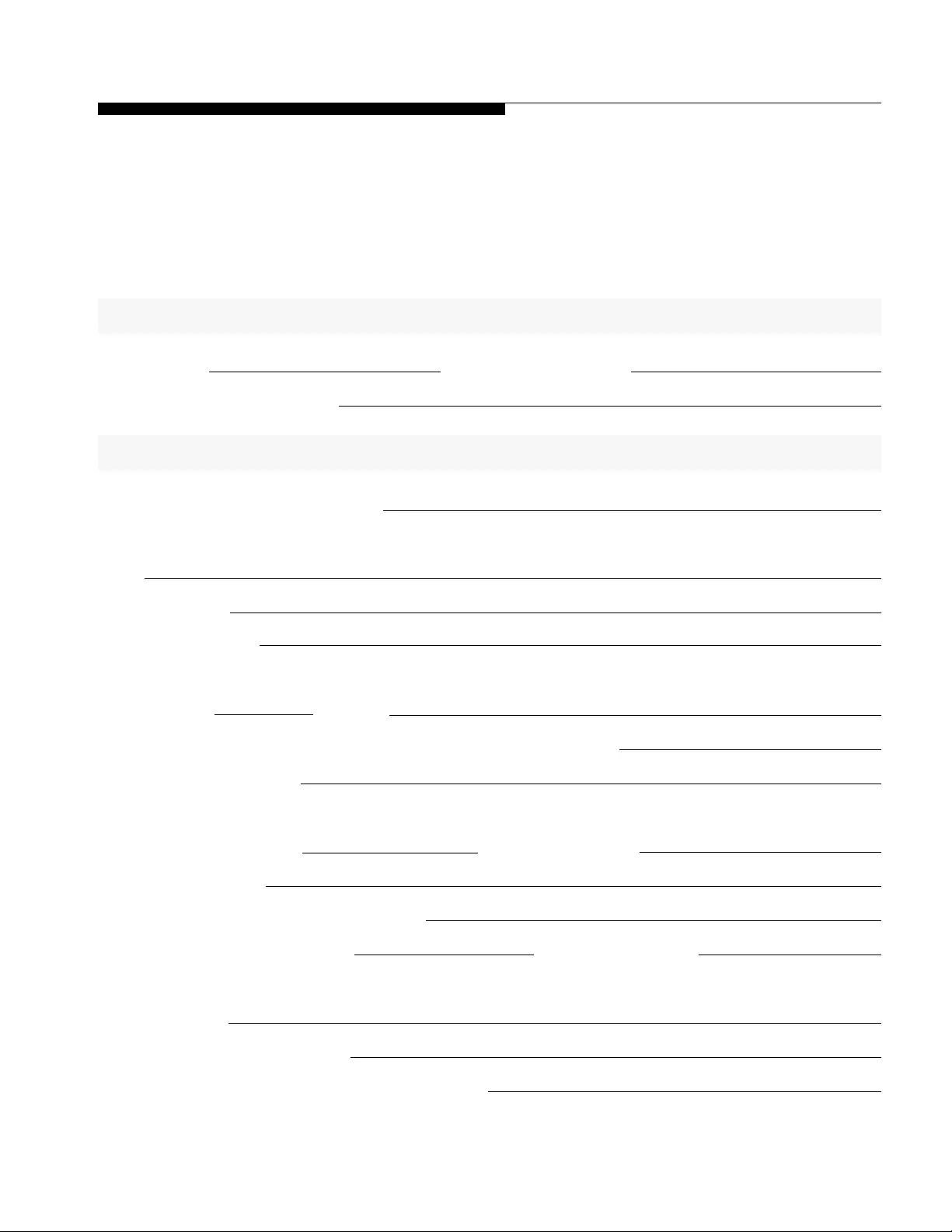
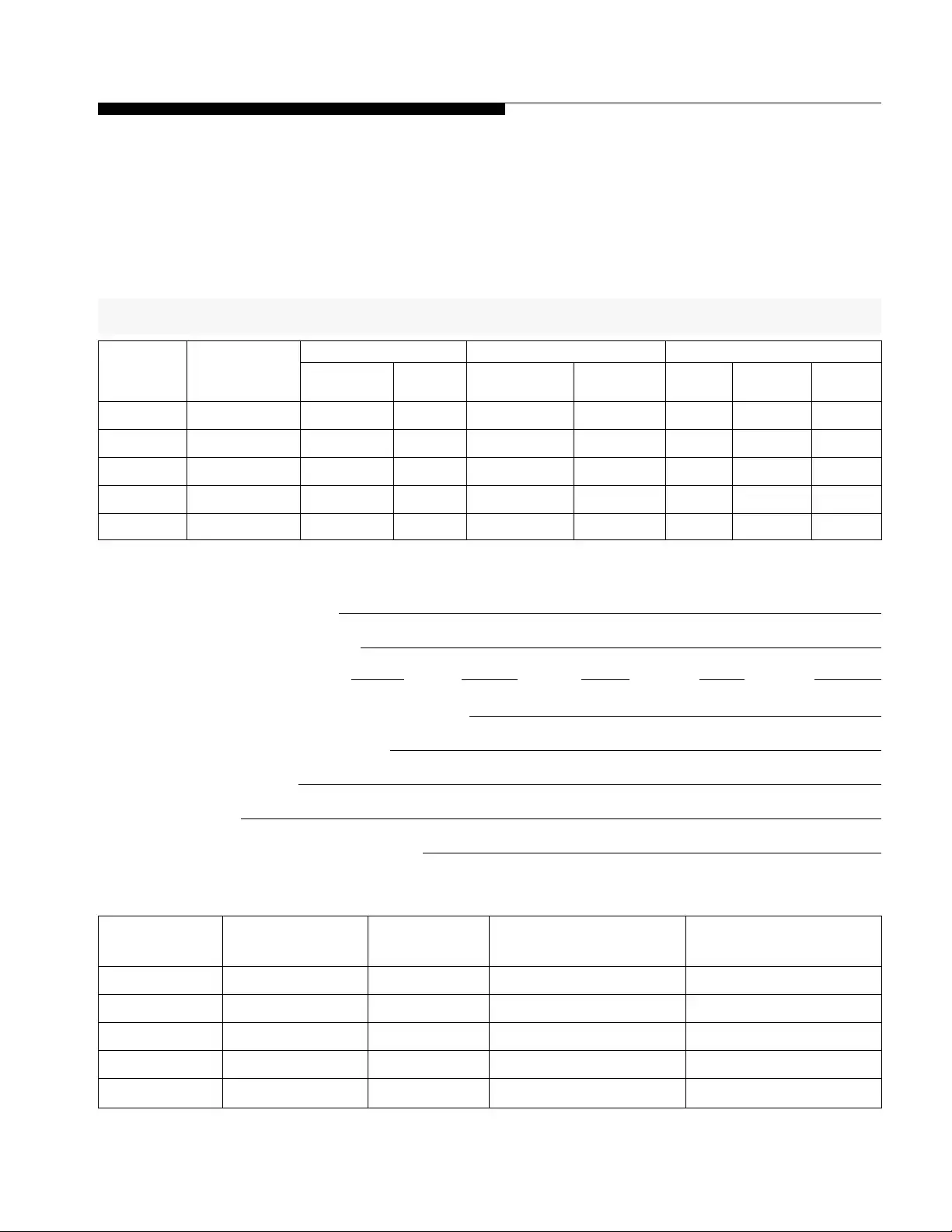
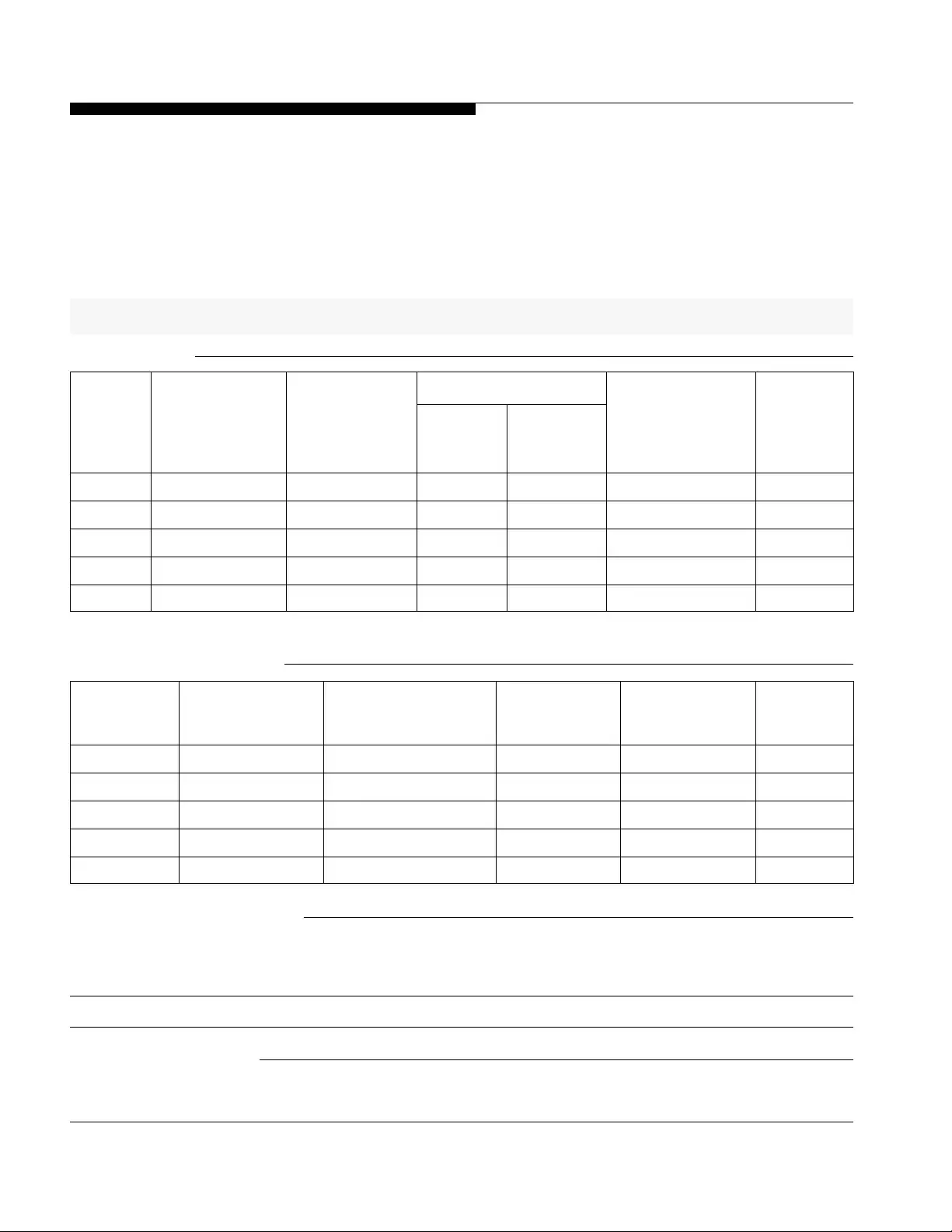
The HVAC Inspection Checklist form serves as a vital tool for ensuring the efficiency and safety of heating, ventilation, and air conditioning systems in any building. This comprehensive document guides inspectors through critical areas, including the mechanical room, major mechanical equipment, air handling units, and distribution systems. Each section prompts the inspector to assess conditions such as cleanliness, proper functioning, and compliance with safety standards. For example, the checklist covers essential elements like the condition of boilers, the cleanliness of cooling towers, and the operational status of air handling units. It also emphasizes the importance of indoor air quality, addressing factors like outdoor air intake and potential contaminant sources. Inspectors are encouraged to document their findings thoroughly, noting any areas needing attention and ensuring that all components are functioning as intended. By following this checklist, building managers can maintain a safe and comfortable environment while optimizing energy efficiency.

| Fact Name | Description |
|---|---|
| Purpose | The HVAC Inspection Checklist is designed to ensure proper functioning and maintenance of HVAC systems, contributing to indoor air quality and overall building safety. |
| Inspection Areas | The checklist covers various areas, including mechanical rooms, major mechanical equipment, air handling units, distribution systems, and occupied spaces. |
| Preventive Maintenance | It emphasizes the importance of having a preventive maintenance plan in place for major mechanical equipment to avoid unexpected failures. |
| Indoor Air Quality | Sections of the checklist specifically address the relationship between HVAC systems and indoor air quality, highlighting the need for clean air circulation. |
| State-Specific Forms | Some states may have specific forms or regulations governing HVAC inspections. For example, California follows Title 24 of the California Code of Regulations. |
| Documentation | The checklist requires detailed documentation, including the date of inspection, conditions observed, and any corrective actions taken. |
| Environmental Considerations | It also addresses environmental concerns, such as proper storage and disposal of refrigerants and waste oil, ensuring compliance with environmental regulations. |
Completing the HVAC Inspection Checklist form requires careful attention to detail to ensure all necessary information is accurately recorded. Follow the steps below to fill out the form correctly.
What is the purpose of the HVAC Inspection Checklist?
The HVAC Inspection Checklist is designed to help assess the condition and performance of heating, ventilation, and air conditioning systems. It ensures that all components are functioning properly and helps identify any maintenance needs. This can improve indoor air quality and energy efficiency.
Who should complete the HVAC Inspection Checklist?
The checklist should be completed by a qualified technician or maintenance personnel who has experience with HVAC systems. Their expertise ensures that the inspection is thorough and accurate.
What key areas does the checklist cover?
The checklist covers several critical areas, including the mechanical room, major mechanical equipment, air handling units, distribution systems, filters, and occupied spaces. Each section focuses on specific components and their condition, ensuring a comprehensive evaluation.
How often should the HVAC system be inspected?
It’s recommended to inspect the HVAC system at least once a year. However, more frequent inspections may be necessary for systems in high-use buildings or those that have experienced issues in the past. Regular checks help prevent costly repairs and ensure optimal performance.
What should I do if issues are found during the inspection?
If issues are identified during the inspection, it’s important to address them promptly. This may involve scheduling repairs or maintenance with a qualified technician. Documenting the findings can also help track the system's performance over time.
Can the HVAC Inspection Checklist help with indoor air quality?
Yes, the checklist includes specific sections that focus on indoor air quality. By ensuring that all components are functioning correctly, it helps minimize contaminants and improves the overall air quality in the building.
What types of equipment are included in the checklist?
The checklist includes various types of equipment such as boilers, chillers, air handling units, fans, and humidifiers. Each type has specific criteria that need to be assessed to ensure proper operation.
What should be noted about the filters during the inspection?
During the inspection, the condition, type, and size of the filters should be recorded. It’s important to note when they were last changed, as dirty filters can significantly affect air quality and system efficiency.
How does the checklist address maintenance needs?
The checklist prompts the inspector to note any maintenance needs or issues found during the inspection. This information is crucial for planning future maintenance and ensuring the HVAC system operates efficiently.
Is there a specific format for completing the checklist?
The checklist is structured to provide clear sections for each component of the HVAC system. Inspectors should fill in all relevant details, including conditions and any issues found, to create a comprehensive report.
Incomplete Information: One of the most common mistakes is failing to fill out all required fields. Leaving out critical details such as the building name, address, or date can lead to confusion and may invalidate the checklist.
Neglecting Specifics: General statements often do not suffice. When describing items in need of attention, it's essential to provide specific details rather than vague descriptions. This helps in accurately assessing the situation and determining necessary actions.
Ignoring Calibration Dates: The date of the last calibration for control systems is vital. Forgetting to note this date can overlook potential issues that may arise from outdated calibrations, impacting system performance and safety.
Overlooking Maintenance Records: Failing to indicate whether a preventive maintenance plan is in use can lead to oversight in regular checks and repairs. This omission can result in system inefficiencies or breakdowns.
Inadequate Documentation of Conditions: When noting the condition of equipment, such as fans or coils, it's crucial to include the date of assessment. Without this context, it becomes challenging to track changes over time and address recurring issues effectively.
The HVAC Inspection Checklist form is a vital tool for assessing the condition and performance of heating, ventilation, and air conditioning systems. Along with this checklist, several other documents play a crucial role in ensuring comprehensive evaluations and compliance with safety standards. Below are four common forms and documents that are often used in conjunction with the HVAC Inspection Checklist.
These documents collectively support a thorough understanding of the HVAC system's performance and maintenance needs. Utilizing them alongside the HVAC Inspection Checklist can lead to improved system reliability, enhanced indoor air quality, and greater occupant comfort.
The HVAC Inspection Checklist form shares similarities with a Home Inspection Checklist. Both documents aim to ensure that essential systems within a property are functioning correctly. The Home Inspection Checklist typically covers a broader range of areas, including plumbing, electrical systems, and structural components, while the HVAC Inspection Checklist focuses specifically on heating, ventilation, and air conditioning systems. Each checklist serves as a tool for identifying maintenance needs, safety concerns, and potential issues that could affect the comfort and safety of occupants.
Another related document is the Building Maintenance Log. This log tracks ongoing maintenance activities and repairs for various building systems, including HVAC. While the HVAC Inspection Checklist is a snapshot of the system's condition at a specific time, the Building Maintenance Log provides a historical record of actions taken. This can help property managers identify patterns or recurring issues that may need more attention. Both documents support proactive management of building systems to ensure they operate efficiently.
The Energy Audit Report is also comparable to the HVAC Inspection Checklist. An energy audit assesses a building's energy use and identifies opportunities for efficiency improvements. Like the HVAC checklist, the audit focuses on the HVAC system's performance, including heating and cooling efficiency. Both documents aim to optimize energy use, reduce costs, and improve overall comfort. They can be used together to create a comprehensive strategy for enhancing a building's energy performance.
Lastly, the Indoor Air Quality Assessment is similar in its focus on the health and comfort of building occupants. This assessment evaluates factors like ventilation, humidity, and potential contaminants in the air. While the HVAC Inspection Checklist includes elements related to indoor air quality, the Indoor Air Quality Assessment dives deeper into air quality issues and their sources. Both documents emphasize the importance of maintaining a healthy indoor environment and can be used in tandem to address any concerns effectively.
When filling out the HVAC Inspection Checklist form, it is essential to approach the task with care and attention to detail. Below is a list of things you should and shouldn't do to ensure the form is completed accurately and effectively.
By adhering to these guidelines, you can help ensure that the HVAC Inspection Checklist is filled out comprehensively and accurately. This will facilitate better communication and understanding among all parties involved in the inspection process.
Misconceptions about the HVAC Inspection Checklist form can lead to misunderstandings regarding its purpose and usage. Here are ten common misconceptions explained:
When filling out and using the HVAC Inspection Checklist form, it is essential to keep several key takeaways in mind to ensure thoroughness and accuracy.