
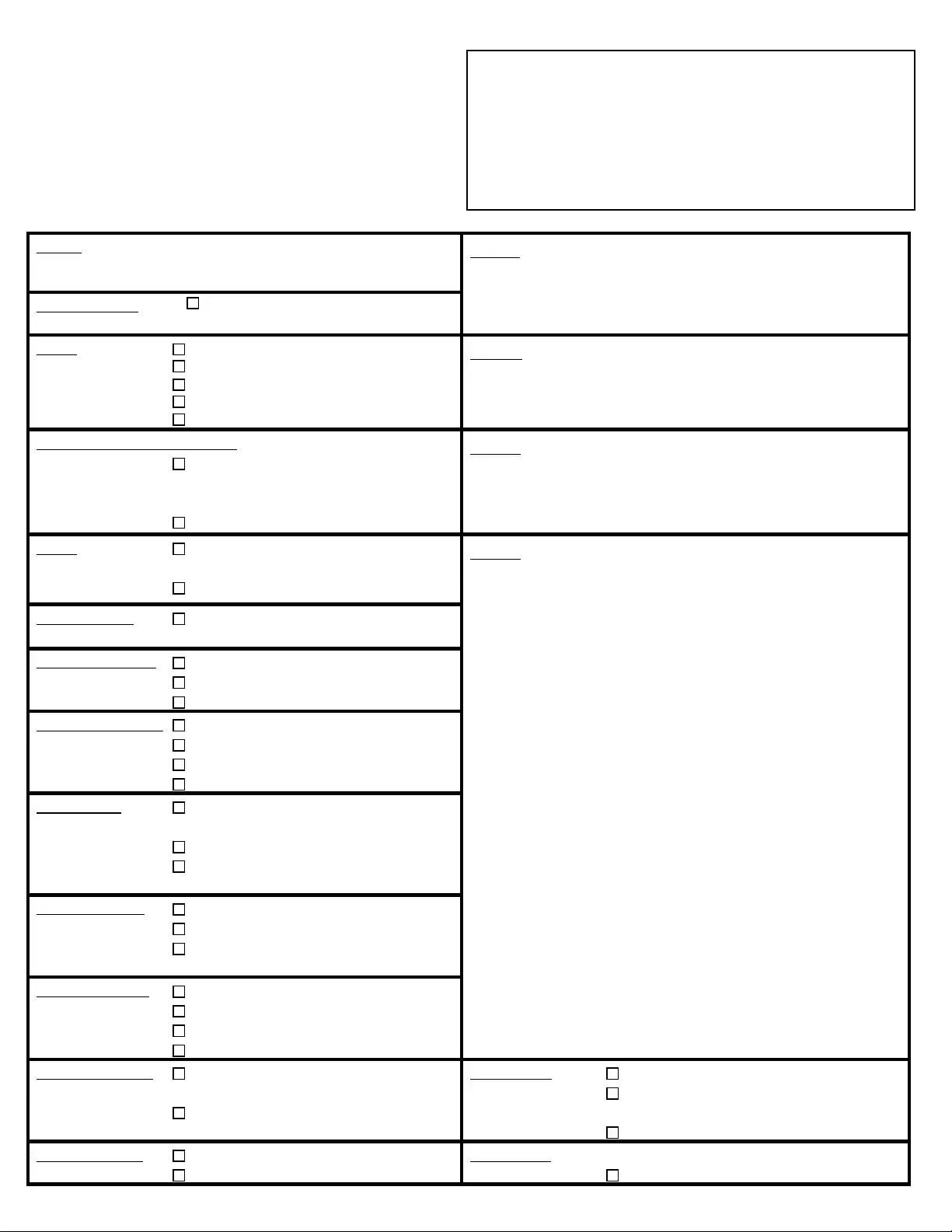
The History and Physical (H&P) form is a critical document in the medical field, capturing essential information about a patient's health status. It serves as a comprehensive tool for healthcare providers to gather vital data during initial visits or consultations. Key components include the patient's demographics, chief complaint, and a detailed history of present illness. The form also encompasses allergies, medications, and past medical or surgical history, providing a complete picture of the patient's health journey. Social and family histories are included to identify potential risk factors. The Review of Systems (ROS) section allows for a systematic evaluation of various bodily systems, ensuring that no significant symptoms are overlooked. Additionally, the physical examination section documents the healthcare provider's findings, including vital signs and general appearance, which are crucial for forming an accurate assessment. Finally, the assessment and plan section allows for collaborative decision-making regarding the patient's care, highlighting the importance of thorough documentation in delivering effective medical treatment.

Inpatient History & Physical Form |
Patient Stamp |
|
||
Internal Medicine |
|
|
||
Greenville Hospital System |
|
|
||
( ) Initial Visit |
( ) Consult requested by: |
|
|
|
Date: |
Service: |
NAME: |
AGE: |
|
1º MD: |
Attending: |
|||
MRN: |
ROOM#: |
|||
|
|
|||
Chief Complaint/Reason for Consult:
Allergies:
History of Present Illness:
Medications and Dosages:
Past Medical/Surgical History:
Social History:
Family History:
Page 1 of 4
Comprehensive Review of Systems
ROS NOT OBTAINABLE BECAUSE
Patient Stamp
Constitutional: |
|
Genitourinary: |
|
|
YES NO |
DESCRIBE |
YES NO |
DESCRIBE |
|
Fever, sweats or chills |
|
Dysuria, frequency or urgency |
||
|
Menstrual irregularities |
|
||
Fatigue, anorexia, weight loss or gain |
|
|||
LMP ___________________ |
||||
Weakness |
|
|||
|
Frequent UTI’s |
|
||
|
|
|
||
|
|
Pain/Hematuria |
|
|
Skin: |
|
Musculoskelatal: |
Rashes, no skin breakdown |
|
Muscle aches, arthralgias or arthritis |
|
|
|
|
|
Neurologic: |
|
|
Mental status changes |
Head: |
|
|
|
Headaches |
|
Headache |
|
|
|
Dizziness |
|
Visual changes |
|
|
|
Weakness or numbness |
|
Earache, sinus problems, sore throat |
|
|
|
Seizures |
|
Cough, snoring or mouth ulcers |
|
|
|
Ataxia |
|
|
|
|
|
|
Hematopoietic: |
|
|
Lymphadenopathy |
|
|
Bleeding tendencies |
|
|
|
Cardiovascular: |
|
Psychiatric: |
Chest pain or palpitations |
|
History of anxiety or depression |
Syncope |
|
Hallucinations/Delusions |
Edema |
|
|
|
|
|
|
|
Endocrine: |
|
|
History of diabetes |
|
|
History of thyroid problems |
|
|
|
|
|
Other Symptoms: |
Respiratory: |
|
|
Shortness of breath |
|
|
Cough or sputum production |
|
|
Dyspnea on exertion orthopnea |
|
|
Pleuritic chest pain |
|
|
|
|
|
Gastrointestinal: |
|
|
Heartburn, dysphagia |
|
|
Nausea or vomiting |
|
|
Diarrhea or constipation |
|
|
Melena or BRBPR |
|
|
Hematemesis |
|
|
Abdominal pain |
|
|
Page 2 of 4

Patient Stamp
Physical Exam |
|
|
Labs and Studies |
||
Vitals: |
|
|
|
CBC: |
|
Wt: |
Temp: |
BP: |
P: |
|
|
HT: |
Resp: |
Sat: |
|
|
|
Constitutional: |
nl general appearance |
|
|
|
|
|
|
|
|
|
|
Head: |
|
|
BMP: |
|
|
|
|
PERRLA |
|
|
|
|
|
EOMI |
|
|
|
|
|
nl sclera |
|
|
|
|
|
Vision |
|
|
|
Ears, Nose, Mouth & Throat: |
|
CXR: |
|
||
|
|
nl inspection of nasal |
|
|
|
|
|
mucosa, septum, turbinates, |
|
|
|
|
|
teeth, gums & oropharynx |
|
|
|
|
|
nl ear canal and T |
|
|
|
|
|
|
|
|
|
Neck: |
|
nl neck appearance & |
|
EKG: |
|
|
|
jugular veins |
|
|
|
|
|
Thyroid not palpable, |
|
|
|
|
|
|
|
|
|
Lymph Nodes |
|
nl neck, supraclavicular |
|
|
|
|
|
or axillary adenopathy |
|
|
|
|
|
|
|
|
|
Skin/Extremities: |
Rashes, lesions or ulcers |
|
|
|
|
|
|
Digits & nails |
|
|
|
|
|
Edema |
|
|
|
Breast Evaluation: |
No skin changes |
|
|
|
|
|
|
No nipple discharge |
|
|
|
|
|
No lumps/masses |
|
|
|
|
|
Fibrocystic changes |
|
|
|
Respiratory: |
|
Chest symmetric, nl chest |
|
|
|
|
|
Expansion & respiratory effort |
|
|
|
|
|
nl auscultation |
|
|
|
|
|
nl chest percussion & |
|
|
|
|
|
palpation |
|
|
|
Cardiovascular: |
Reg rhythm |
|
|
|
|
|
|
No murmur, gallop or rub |
|
|
|
|
|
Periph vasc no by ovserv & |
|
|
|
|
|
palpation |
|
|
|
Gastrointestinal: |
No tenderness or masses |
|
|
|
|
|
|
Liver & spleen not felt |
|
|
|
|
|
nl bowel sounds |
|
|
|
|
|
Heme negative stool |
|
|
|
Musculoskeletal: |
nl muscle strength, movement & |
Neurologic: |
Alert and oriented |
||
|
|
tone, no focal atrophy |
|
|
nl reflexes upper and lower |
|
|
nl gait & station |
|
|
extremities |
|
|
|
|
|
Cranial nerves intact |
no pelvic exam |
|
Psychiatric: |
|
||
|
|
nl testes |
|
|
nl mood/affect |
Page 3of 4

Patient Stamp
Assessment:
Plan:
Attending HPI:
Attending PE:
Attending Assessment and Plan:
Resident signature: |
MD |
PGY1, PGY2, PGY3 Date: |
Pager: |
/1439 |
|
Resident name printed: |
Dictated by: |
Intern Pager: |
/1872 |
||
Attending signature: |
|
Date: |
|
. |
|
Attending: Ansari Atkisson Bowers Bruch Call Chang Cochrane Curran Ferraro Fuller Gilroy Hayes Kelly Knight Latham McCraw McFarland Meyer
Page 4 of 4
| Fact Name | Description |
|---|---|
| Purpose | The History and Physical (H&P) form documents a patient's medical history and current health status. It is essential for guiding treatment decisions. |
| Components | The form includes sections for patient demographics, chief complaint, medical history, medications, and a comprehensive review of systems. |
| Legal Requirement | In many states, healthcare providers are required to complete an H&P form for inpatient admissions. This ensures compliance with healthcare regulations. |
| State-Specific Forms | Some states have specific requirements for H&P forms. For example, California mandates that the form must include a review of family history as per the California Health and Safety Code. |
| Importance of Accuracy | Accurate completion of the H&P form is crucial. Errors can lead to misdiagnosis or inappropriate treatment, impacting patient safety. |
| Confidentiality | Patient information on the H&P form is protected under HIPAA regulations. Confidentiality must be maintained at all times. |
Completing the History and Physical form is an essential step in documenting a patient's medical history and current health status. This process ensures that all relevant information is captured accurately, which aids in providing appropriate care. Follow these steps carefully to fill out the form correctly.
After completing the form, ensure all sections are filled out thoroughly and accurately. Review the information for any missing details before submitting it to the appropriate medical records department. This step is crucial for maintaining comprehensive patient care.
What is the purpose of the History and Physical (H&P) form?
The History and Physical form serves as a comprehensive document that captures a patient's medical history and current health status. It is used primarily in inpatient settings to provide healthcare providers with essential information regarding a patient's chief complaint, medical history, medications, and physical examination findings. This form helps ensure continuity of care and informs treatment decisions.
What information is typically included in the H&P form?
The H&P form includes several key sections: patient identification details, chief complaint, history of present illness, past medical and surgical history, social history, family history, and a comprehensive review of systems. Additionally, it features a physical examination section, which documents vital signs and findings from various body systems, as well as an assessment and plan for treatment.
Who completes the H&P form?
How does the H&P form aid in patient care?
The H&P form aids in patient care by providing a structured way to document important health information. This documentation helps healthcare providers quickly understand a patient's medical background and current issues. It also facilitates effective communication among the healthcare team, ensuring everyone involved in the patient's care is informed about their condition and treatment plan.
What is the significance of the review of systems (ROS) section?
The review of systems (ROS) section is significant because it systematically evaluates various body systems to identify any additional symptoms or issues that may not have been mentioned in the chief complaint. This section helps healthcare providers uncover underlying conditions or complications that could affect the patient's overall health and treatment plan.
How often should the H&P form be updated?
The H&P form should be updated whenever there is a significant change in the patient's condition, during admission to the hospital, or prior to any surgical procedures. It is also common to revise the form during follow-up visits to reflect any new information, changes in treatment, or additional findings from ongoing assessments.
What role do allergies play in the H&P form?
Allergies are a critical component of the H&P form, as they can significantly impact treatment decisions. Documenting a patient's allergies helps prevent adverse reactions to medications, contrast agents, or other substances used during treatment. This information is essential for ensuring patient safety and providing appropriate care.
What happens to the H&P form after it is completed?
After the H&P form is completed and signed by the attending physician, it becomes part of the patient's medical record. This record is maintained by the healthcare facility and is accessible to all members of the healthcare team involved in the patient's care. It may also be used for legal, billing, and quality assurance purposes.
Can patients request a copy of their H&P form?
Yes, patients can request a copy of their H&P form as part of their medical records. Healthcare facilities are typically required to provide patients with access to their medical information, including the H&P form, upon request. However, patients may need to follow specific procedures or complete certain forms to obtain these records.
Incomplete Information: Many people forget to fill out all sections of the form. This includes important details like allergies, medications, and past medical history. Omitting any of this information can lead to misunderstandings or inadequate care.
Rushed Responses: Some individuals rush through the form, providing vague or unclear answers. Taking time to think about each question ensures that healthcare providers have a complete picture of your health.
Neglecting Family History: Family history is crucial for understanding potential health risks. Failing to include relevant family medical issues can hinder accurate assessments and recommendations.
Ignoring Current Symptoms: Patients often overlook or downplay current symptoms when filling out the form. It’s essential to clearly describe any issues you are experiencing, as this information helps guide diagnosis and treatment.
The History and Physical (H&P) form is a crucial document in patient care, providing a comprehensive overview of a patient's medical history and current health status. Alongside the H&P, several other forms and documents are commonly utilized to ensure thorough documentation and effective communication among healthcare providers. Below is a list of these important documents.
Understanding these documents and their purposes enhances the overall quality of patient care. Each form plays a unique role in ensuring that healthcare providers have the necessary information to deliver effective and safe treatment. By being familiar with these documents, patients and their families can better navigate the healthcare system and advocate for their needs.
The Comprehensive Medical History form shares similarities with the History and Physical (H&P) form. Both documents aim to compile a detailed account of a patient's medical background and current health status. The Comprehensive Medical History form focuses on gathering extensive information about past illnesses, treatments, and family health history. It often includes sections for allergies, medications, and social habits, much like the H&P. By collecting this data, healthcare providers can establish a foundation for diagnosis and treatment, ensuring that they have a thorough understanding of the patient’s health journey.
The Initial Consultation Report is another document that resembles the H&P form. This report is typically used when a patient first visits a specialist. Like the H&P, it encompasses a detailed history of the patient's current health issues and previous medical conditions. Both documents aim to create a comprehensive view of the patient's health, allowing for informed decision-making. The Initial Consultation Report often includes a physical examination component, mirroring the physical assessment found in the H&P, thus ensuring that all relevant information is captured for effective patient care.
The Progress Note serves a similar function to the H&P, albeit in a more concise format. Progress Notes are used during follow-up visits to document changes in a patient's condition or treatment response. While the H&P provides a baseline at the start of care, Progress Notes track ongoing health status and interventions. Both documents include elements of patient history and physical examination, but Progress Notes are typically more focused on updates rather than comprehensive assessments, making them essential for monitoring patient progress over time.
The Discharge Summary is another document that shares characteristics with the H&P. It provides a comprehensive overview of a patient’s hospital stay, including the initial history and physical assessment. While the H&P is completed at the beginning of care, the Discharge Summary reflects the patient's journey through treatment and recovery. It includes details about the patient’s diagnosis, treatment plan, and follow-up care, ensuring continuity of care after discharge. Both documents are crucial for maintaining an accurate medical record and supporting future healthcare decisions.
The Referral Form also bears resemblance to the H&P. When a primary care physician refers a patient to a specialist, the Referral Form often includes essential information about the patient's medical history, current health concerns, and reasons for the referral. Similar to the H&P, it serves as a communication tool among healthcare providers, ensuring that specialists have access to relevant patient information. This shared data promotes coordinated care and enhances the specialist's understanding of the patient's needs, facilitating a more effective evaluation and treatment plan.
Finally, the Consent Form has similarities with the H&P in terms of gathering patient information. While the Consent Form primarily focuses on obtaining permission for specific treatments or procedures, it often requires a brief medical history to ensure that the patient is fully informed. Both documents emphasize the importance of understanding a patient's health status and preferences. By collecting relevant information, healthcare providers can ensure that patients are making informed decisions about their care, aligning with the principles of patient-centered healthcare.
When filling out the History and Physical form, it’s important to approach the task carefully. Here are five things you should and shouldn’t do:
Taking the time to fill out the form correctly can help healthcare providers understand your needs better. Be thorough and clear in your responses.
This form is not limited to initial visits. It is also used for follow-up appointments and consultations to track a patient's ongoing health status.
The H&P form is a critical component of patient care. It ensures that all relevant medical history and physical examination findings are documented for accurate diagnosis and treatment.
While there are common elements, different specialties may have specific requirements tailored to their practice. For example, a cardiology H&P may emphasize cardiovascular history more than a dermatology H&P.
Accurate and detailed information from patients is crucial. It helps healthcare providers make informed decisions regarding diagnosis and treatment.
The H&P form serves multiple purposes. It is a communication tool among healthcare providers and can also be shared with patients to enhance their understanding of their health.
The H&P form should be regularly updated to reflect any changes in the patient's condition, treatment plan, or medical history. This ensures that the information remains current and relevant.
Filling out the History and Physical (H&P) form is a crucial step in patient care. Here are some key takeaways to help you navigate this important document:
By keeping these takeaways in mind, you can enhance the quality of the H&P form, ultimately leading to better patient care and outcomes.