Homepage > Blank Erc Broker Market Analysis Template
Article Structure

The Worldwide ERC® Broker’s Market Analysis and Strategy Report serves as a crucial tool for real estate brokers tasked with evaluating properties. This report is designed to facilitate a thorough analysis of a property’s condition, its competitive landscape, and its potential for future marketability. By leveraging the information gathered, brokers can estimate the Most Likely Sales Price (MLSP) for the property, taking into account its current condition and a marketing timeframe not exceeding 120 days. It is important to note that this document is not an appraisal and does not conform to the Uniform Standards of Professional Appraisal Practice. Brokers must ensure compliance with any state-specific disclosure requirements when completing the form. The report includes a detailed section for property inspections, identifying necessary repairs, and estimating costs for both interior and exterior improvements. Additionally, it gathers essential information about the property’s location, neighborhood dynamics, and financing options, all of which play a significant role in determining the property’s value and marketability. The comprehensive nature of this analysis is vital for brokers aiming to provide accurate assessments and strategic recommendations to their clients.

Form Sample

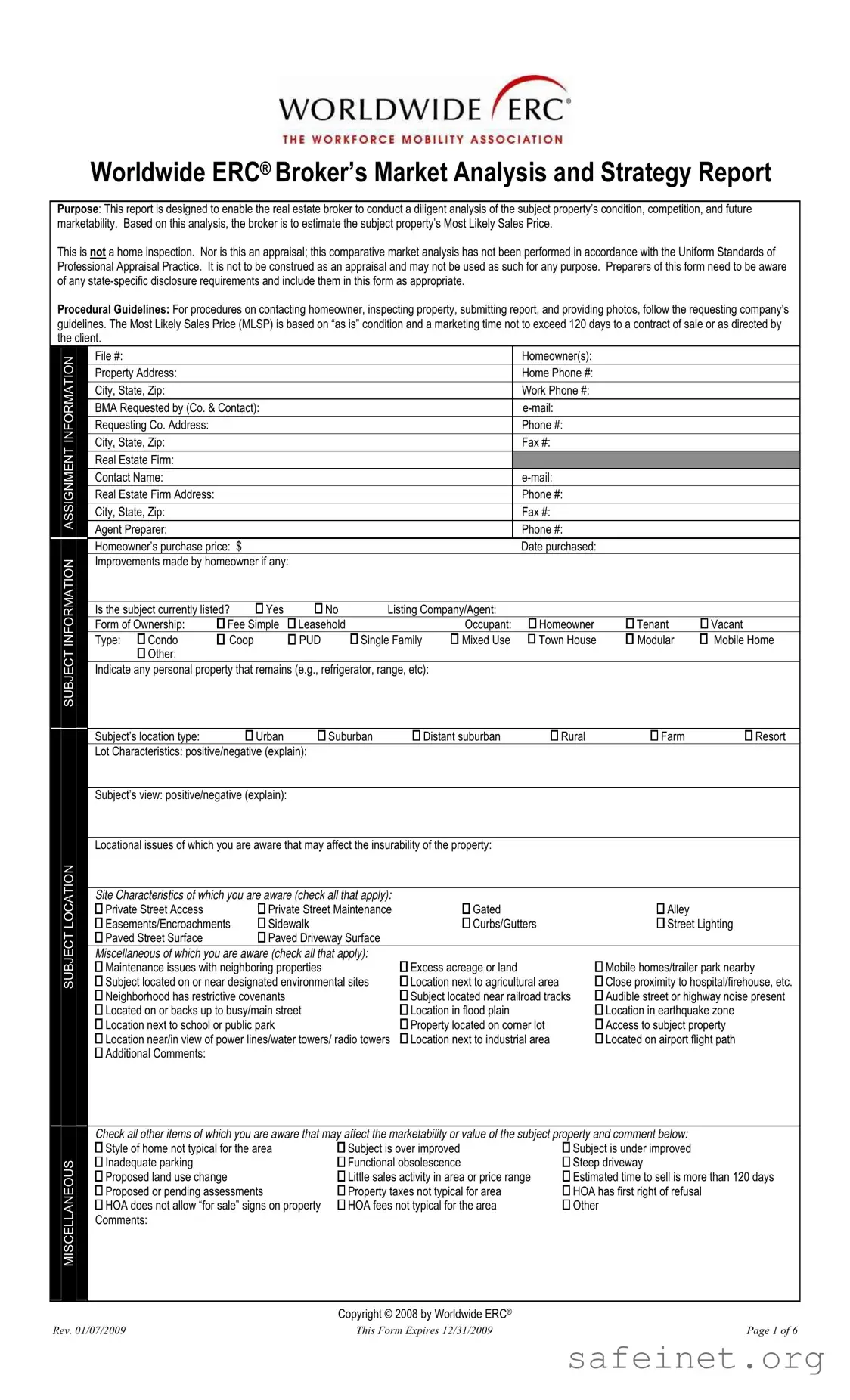
Worldwide ERC
®
Broker’s Market Analysis and Strategy Report
Purpose: This report is designed to enable the real estate broker to conduct a diligent analysis of the subject property’s condition, competition, and future
marketability. Based on this analysis, the broker is to estimate the subject property’s Most Likely Sales Price.
This is not
a home inspection. Nor is this an appraisal; this comparative market analysis has not been performed in accordance with the Uniform Standards of
Professional Appraisal Practice. It is not to be construed as an appraisal and may not be used as such for any purpose. Preparers of this form need to be aware
of any state-specific disclosure requirements and include them in this form as appropriate.
Procedural Guidelines: For procedures on contacting homeowner, inspecting property, submitting report, and providing photos, follow the requesting company’s
guidelines. The Most Likely Sales Price (MLSP) is based on “as is” condition and a marketing time not to exceed 120 days to a contract of sale or as directed by
the client.
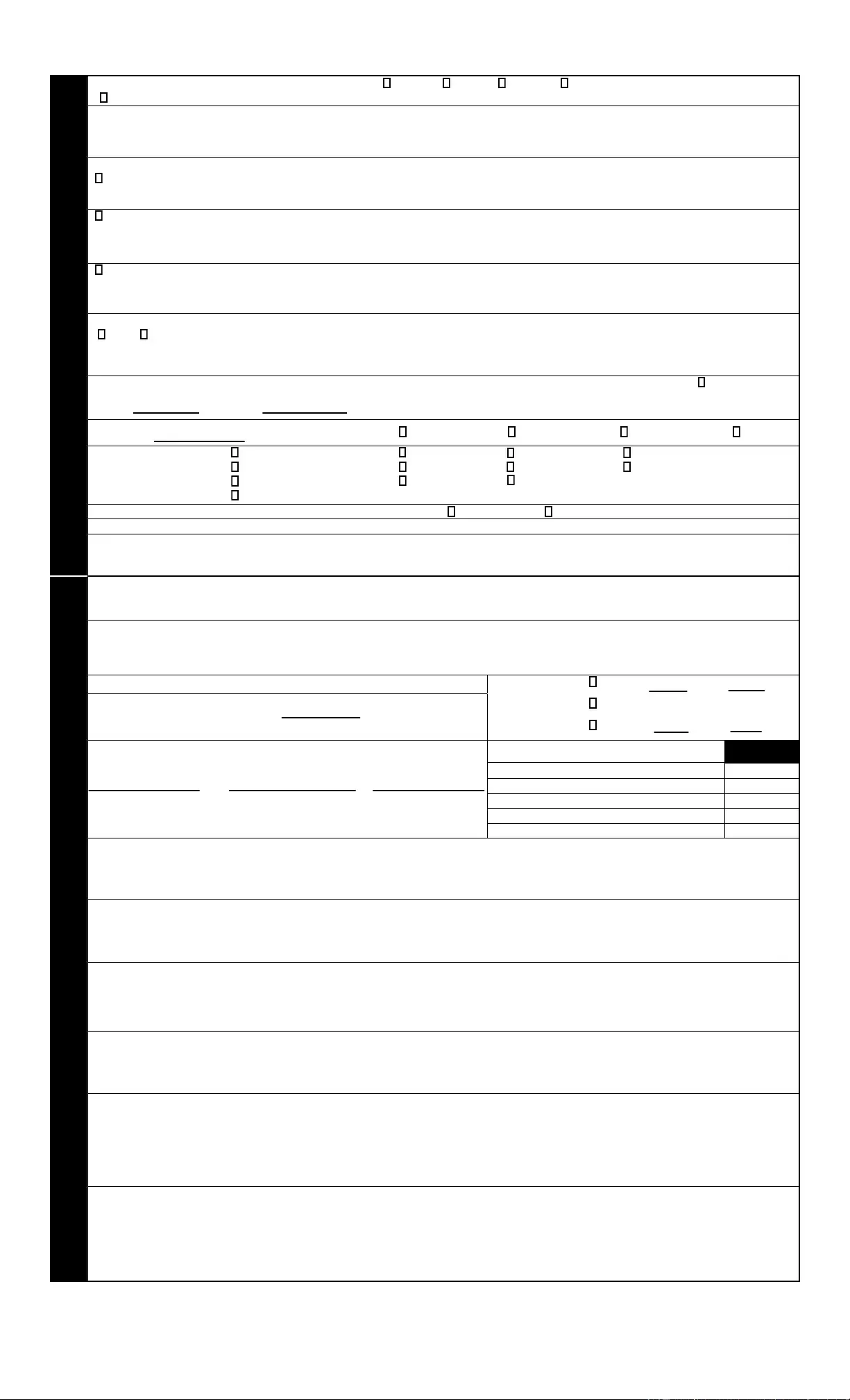
File #: Homeowner(s):
Property Address: Home Phone #:
City, State, Zip: Work Phone #:
BMA Requested by (Co. & Contact): e-mail:
Requesting Co. Address: Phone #:
City, State, Zip: Fax #:
Real Estate Firm:
Contact Name: e-mail:
Real Estate Firm Address: Phone #:
City, State, Zip: Fax #:
ASSIGNMENT INFORMATION
Agent Preparer: Phone #:
Homeowner’s purchase price: $ Date purchased:
Improvements made by homeowner if any:
Is the subject currently listed? Yes No Listing Company/Agent:
Form of Ownership: Fee Simple Leasehold Occupant: Homeowner Tenant Vacant
Type: Condo Coop PUD Single Family Mixed Use Town House Modular Mobile Home
Other:
SUBJECT INFORMATION
Indicate any personal property that remains (e.g., refrigerator, range, etc):
Subject’s location type: Urban Suburban Distant suburban Rural Farm Resort
Lot Characteristics: positive/negative (explain):
Subject’s view: positive/negative (explain):
Locational issues of which you are aware that may affect the insurability of the property:
Site Characteristics of which you are aware (check all that apply):
Private Street Access Private Street Maintenance Gated Alley
Easements/Encroachments Sidewalk Curbs/Gutters Street Lighting
Paved Street Surface Paved Driveway Surface
SUBJECT LOCATION
Miscellaneous of which you are aware (check all that apply):
Maintenance issues with neighboring properties Excess acreage or land Mobile homes/trailer park nearby
Subject located on or near designated environmental sites Location next to agricultural area Close proximity to hospital/firehouse, etc.
Neighborhood has restrictive covenants Subject located near railroad tracks Audible street or highway noise present
Located on or backs up to busy/main street Location in flood plain Location in earthquake zone
Location next to school or public park Property located on corner lot Access to subject property
Location near/in view of power lines/water towers/ radio towers Location next to industrial area Located on airport flight path
Additional Comments:
MISCELLANEOUS
Check all other items of which you are aware that may affect the marketability or value of the subject property and comment below:
Style of home not typical for the area Subject is over improved Subject is under improved
Inadequate parking Functional obsolescence Steep driveway
Proposed land use change Little sales activity in area or price range Estimated time to sell is more than 120 days
Proposed or pending assessments Property taxes not typical for area HOA has first right of refusal
HOA does not allow “for sale” signs on property HOA fees not typical for the area Other
Comments:
Copyright © 2008 by Worldwide ERC
®
Rev. 01/07/2009 This Form Expires 12/31/2009 Page 1 of 6
Copyright © 2008 by Worldwide ERC
®
Rev. 01/07/2009 This Form Expires 12/31/2009 Page 2 of 6
Property Condition
For all the following of which you are aware or observe in viewing the property, check the appropriate box(es) and describe:
Décor of home is personalized or dated:
Incomplete construction:
Evidence of past or present water damage:
Cracks or stains on walls, floors, or ceilings:
Oil tank (abandoned):
Oil tank (in use):
Underground storage tank (abandoned):
Underground storage tank (in use):
Synthetic stucco:
Suspected structural problems:
Evidence of odor:
Evidence of pet damage:
Evidence of deferred maintenance:
Additional Comments:
Recommended Repairs and Improvements
Interior Items R&I Estimates
Paint Estimated cost per item: $ Comment:
Flooring Estimated cost per item: $ Comment:
Wall paper removal Estimated cost per item: $ Comment:
Appliances Estimated cost per item: $ Comment:
Cabinets Estimated cost per item: $ Comment:
Light fixtures Estimated cost per item: $ Comment:
Countertops Estimated cost per item: $ Comment:
Bathroom fixtures Estimated cost per item: $ Comment:
Other: Estimated cost per item: $ Comment:
Total Estimated Cost for Interior Repairs $
Exterior Items R&I Estimates
Landscaping Estimated cost per item: $ Comment:
Paint Estimated cost per item: $ Comment:
Driveway/walkway Estimated cost per item: $ Comment:
Porch/deck Estimated cost per item: $ Comment:
Pool Estimated cost per item: $ Comment:
Spa Estimated cost per item :$ Comment:
Gutters Estimated cost per item: $ Comment:
Siding Estimated cost per item: $ Comment:
Trim Estimated cost per item: $ Comment:
Roof Estimated cost per item: $ Comment:
Detached structures Estimated cost per item: $ Comment:
Debris removal Estimated cost per item: $ Comment:
Windows and screens Estimated cost per item: $ Comment:
Other: Estimated cost per item: $ Comment:
SUBJECT CONDITION
Total Estimated Cost for Exterior Repairs $
List all required, customary and additionally recommended inspections (e.g., municipal, certificate of occupancy, environmental, etc.):
Required:
Customary:
Additionally recommended for the subject property:
Subject property issues of which you are aware that may affect insurability of the subject property:
INSPECTIONS/DISCLOSURES
List all required disclosures:
Copyright © 2008 by Worldwide ERC
®
Rev. 01/07/2009 This Form Expire 12/31/2009 Page 3 of 6
Identify the most probable means of financing for the subject: FHA VA Cash Conventional mortgage—conforming or jumbo
Other:
Describe the terms of the financing type identified above:
Identify and describe any financing concessions that may be necessary to secure the sale of the subject property.
Points:
Closing Costs:
Other:
Do you anticipate any issues that may affect the ability to secure financing for the subject property (e.g., condition, zoning, environmental, HOA, etc.)?
Yes No If yes, comment:
If the subject property is a common interest development (e.g., condo, townhouse, PUD), what is the ratio of owners to investors? N/A
Owners: % Investors: % (total must equal 100%)
HOA Fees: $ How often are they paid? Monthly Quarterly Semi-annually Annually
Items included in HOA Fees: Trash Pick-up Landscaping Snow Removal Exterior Building Maintenance
Security/Concierge Services Insurance Taxes Amenities
Common Area Maintenance Water Sewer
Other:
Are you aware of any special assessments covered by the HOA? Yes No
If yes, indicate the amount of assessment: $
FINANCING
Describe what the special assessment covers:
Subject Neighborhood (For purposes of this report, the subject neighborhood is defined by the preparer of this form. Identify what you regard as the
subject neighborhood and then use statistics that you have gathered which reflect that market area. Note: the neighborhood might be a MLS area, a
particular section of a town, a specific subdivision, or an entire community. This is described as the “micro area.”)
Subject neighborhood is defined as:
Price Range: $ to $
Average Days-on-Market (list to contract) days
(# of days)
Property Values are: Increasing % in past months
Stable
Decreasing % in past months
Type of competing listings
New Homes %
Resale %
REO/Foreclosure %
Corporate %
Calculate the months supply of inventory (Absorption Rate):
Number of active listings ÷ Avg. number of sales per month = Number of months needed
for the last 6 months to sell existing inventory
Total (Must equal 100%) 100%
Describe all marketing concessions/incentives being offered to buyers and/or brokers on competing properties:
Recommend any marketing concessions/incentives that should be offered for the subject:
Describe major corporation(s) in this neighborhood that are moving into, out of, or planning layoffs:
Describe current economic conditions (positive or negative) that may have an effect on the marketability of the property:
Broader Market Area (For purposes of this report, the broader market area is defined as that area beyond the subject neighborhood in which buyers will
look for comparable properties. This is described as the “macro area.” In some instances, the broader market area will be the same as the subject’s
neighborhood. If this is the case, indicate it below.) What do you consider the “broader market area” to be for this property?
MARKET CONDITIONS
Are there any specific issues in the broader market area which are not reflected in the specific neighborhood that might affect the sale of the subject
property? Consider types of competing homes (e.g., new construction, REO’s); incentives or concessions that are occurring; economic conditions; a
dramatically different price range than the subject; days on market; etc.
Copyright © 2008 by Worldwide ERC
®
Rev. 01/07/2009 This Form Expires 12/31/2009 Page 4 of 6
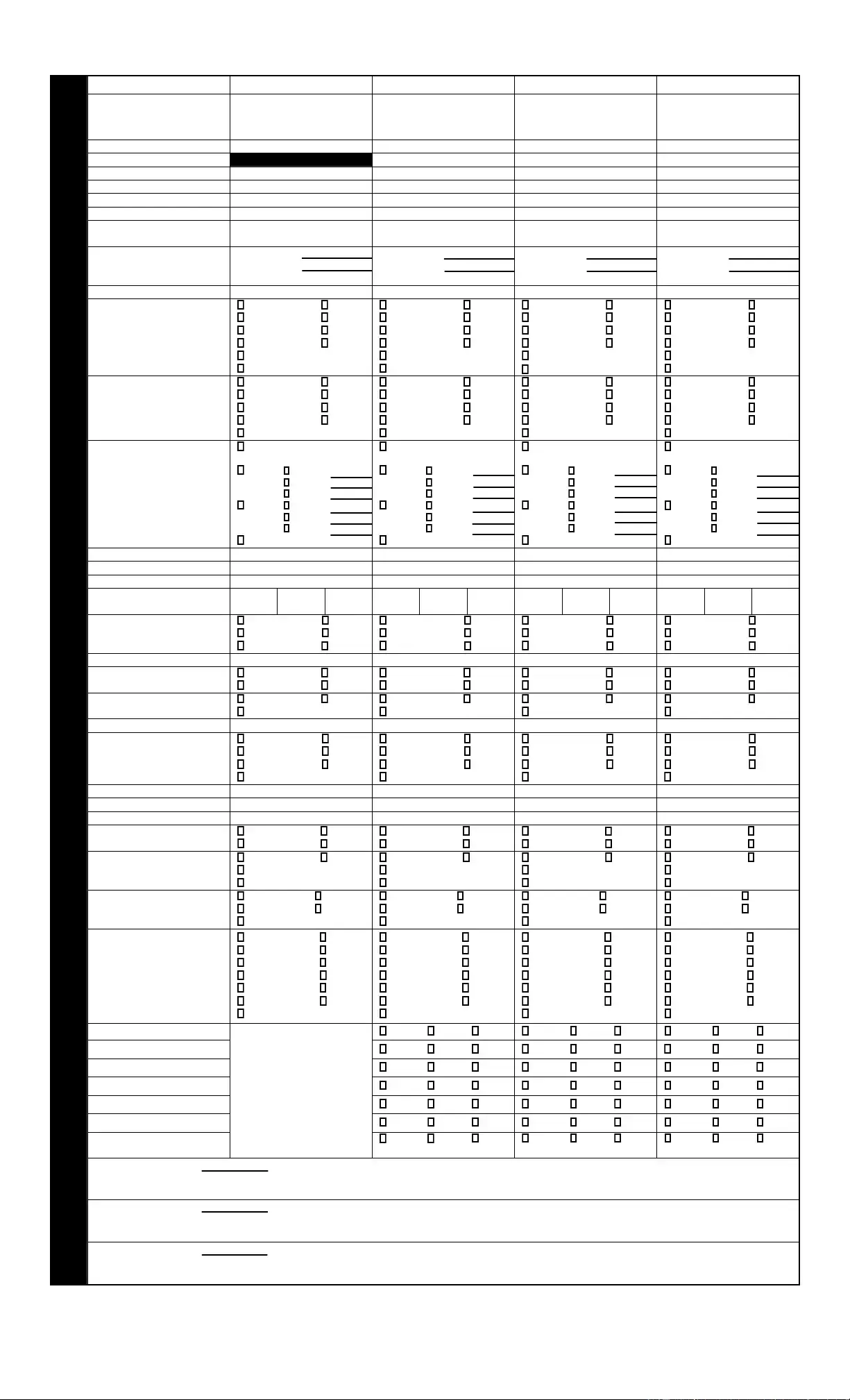
ITEM SUBJECT Competing Listing #1 Competing Listing #2 Competing Listing #3
Address, City
Current MLS #
Proximity to Subject
Original List Price
$ $ $ $
Current List Price
$ $ $ $
Seller Concessions
Last Price Change Date
Days-on-market (DOM)
from original list date
Previous listing history for last
12 months
Orig. List Price $
Last List Price $
DOM:
Orig. List Price $
Last List Price $
DOM:
Orig. List Price $
Last List Price $
DOM:
Orig. List Price $
Last List Price $
DOM:
Style
Exterior Finish
(Check all that apply)
Brick Wood
Composite Stone
Aluminum Stucco
Synthetic Stucco Vinyl
Hardcoat Stucco
Other:
Brick Wood
Composite Stone
Aluminum Stucco
Synthetic Stucco Vinyl
Hardcoat Stucco
Other:
Brick Wood
Composite Stone
Aluminum Stucco
Synthetic Stucco Vinyl
Hardcoat Stucco
Other:
Brick Wood
Composite Stone
Aluminum Stucco
Synthetic Stucco Vinyl
Hardcoat Stucco
Other:
Roof Type
(Check all that apply)
Composite Slate
Tar Tile
Wood shake Tin
Asphalt shingle Copper
Other:
Composite Slate
Tar Tile
Wood shake Tin
Asphalt shingle Copper
Other:
Composite Slate
Tar Tile
Wood shake Tin
Asphalt shingle Copper
Other:
Composite Slate
Tar Tile
Wood shake Tin
Asphalt shingle Copper
Other:
Car Storage/Type
(Check all that apply)
None
# of Cars
Garage Attached
Detached
Built-in
Carport Attached
Detached
Built-in
Other:
None
# of Cars
Garage Attached
Detached
Built-in
Carport Attached
Detached
Built-in
Other:
None
# of Cars
Garage Attached
Detached
Built-in
Carport Attached
Detached
Built-in
Other:
None
# of Cars
Garage Attached
Detached
Built-in
Carport Attached
Detached
Built-in
Other:
Year Built
Lot Size
Appx. Gross Living Area Sq. Ft Sq. Ft Sq. Ft Sq. Ft
Above Grade Room Count
Tot
Brms.
Baths
Tot.
Brms.
Baths
Tot.
Brms.
Baths
Tot.
Brms.
Baths
Basement
(Check all that apply)
None Partial
Slab Full
Crawl Space Walk-out
None Partial
Slab Full
Crawl Space Walk-out
None Partial
Slab Full
Crawl Space Walk-out
None Partial
Slab Full
Crawl Space Walk-out
Basement Finish
Attic (Check all that apply)
None Partial
Crawl Space Full
None Partial
Crawl Space Full
None Partial
Crawl Space Full
None Partial
Crawl Space Full
Attic Access
Walkup Hatch
Pull down steps
Walkup Hatch
Pull down steps
Walkup Hatch
Pull down steps
Walkup Hatch
Pull down steps
Bonus Room
Detached Structures
(Check all that apply)
None Barn
Guest House Studio
Pool House Shed
Other:
None Barn
Guest House Studio
Pool House Shed
Other:
None Barn
Guest House Studio
Pool House Shed
Other:
None Barn
Guest House Studio
Pool House Shed
Other:
Deck/Patio
Pool/Spa
Fireplace(s)
Water Supply
Public Private
Community Well
Public Private
Community Well
Public Private
Community Well
Public Private
Community Well
Waste Disposal
Septic Sewer
Cesspool
Other:
Septic Sewer
Cesspool
Other:
Septic Sewer
Cesspool
Other:
Septic Sewer
Cesspool
Other:
Type of Air Conditioning
(Check all that apply)
None Central
Window/Wall
Heat Pump
Other:
None Central
Window/Wall
Heat Pump
Other:
None Central
Window/Wall
Heat Pump
Other:
None Central
Window/Wall
Heat Pump
Other:
Type of Heating System
(Check all that apply)
None Gas
Propane Electric
Radiant Oil
Wood stove Solar
Base Board Coal
Heat pump Radiator
Other:
None
Gas
Propane Electric
Radiant Oil
Wood stove Solar
Base Board Coal
Heat
pump Radiator
Other:
None Gas
Propane Electric
Radiant Oil
Wood stove Solar
Base Board Coal
Heat pump Radiator
Other:
None Gas
Propane Electric
Radiant Oil
Wood stove Solar
Base Board Coal
Heat pump Radiator
Other:
Location Superior Similar Inferior Superior Similar Inferior Superior Similar Inferior
Lot Characteristics Superior Similar Inferior Superior Similar Inferior Superior Similar Inferior
View Superior Similar Inferior Superior Similar Inferior Superior Similar Inferior
Floor Plan Utility Superior Similar Inferior Superior Similar Inferior Superior Similar Inferior
Ext. Condition’s Appeal Superior Similar Inferior Superior Similar Inferior Superior Similar Inferior
Int. Condition’s Appeal Superior Similar Inferior Superior Similar Inferior Superior Similar Inferior
Overall Rating of Listings as
Compared to Subject
Superior Similar Inferior Superior Similar Inferior Superior Similar Inferior
Listing #1: Date inspected: Comments:
Listing #2: Date inspected: Comments:
COMPETING LISTINGS
Listing #3: Date inspected: Comments:
Copyright © 2008 by Worldwide ERC
®
Rev. 01/07/2009 This Form Expires 12/31/2009 Page 5 of 6
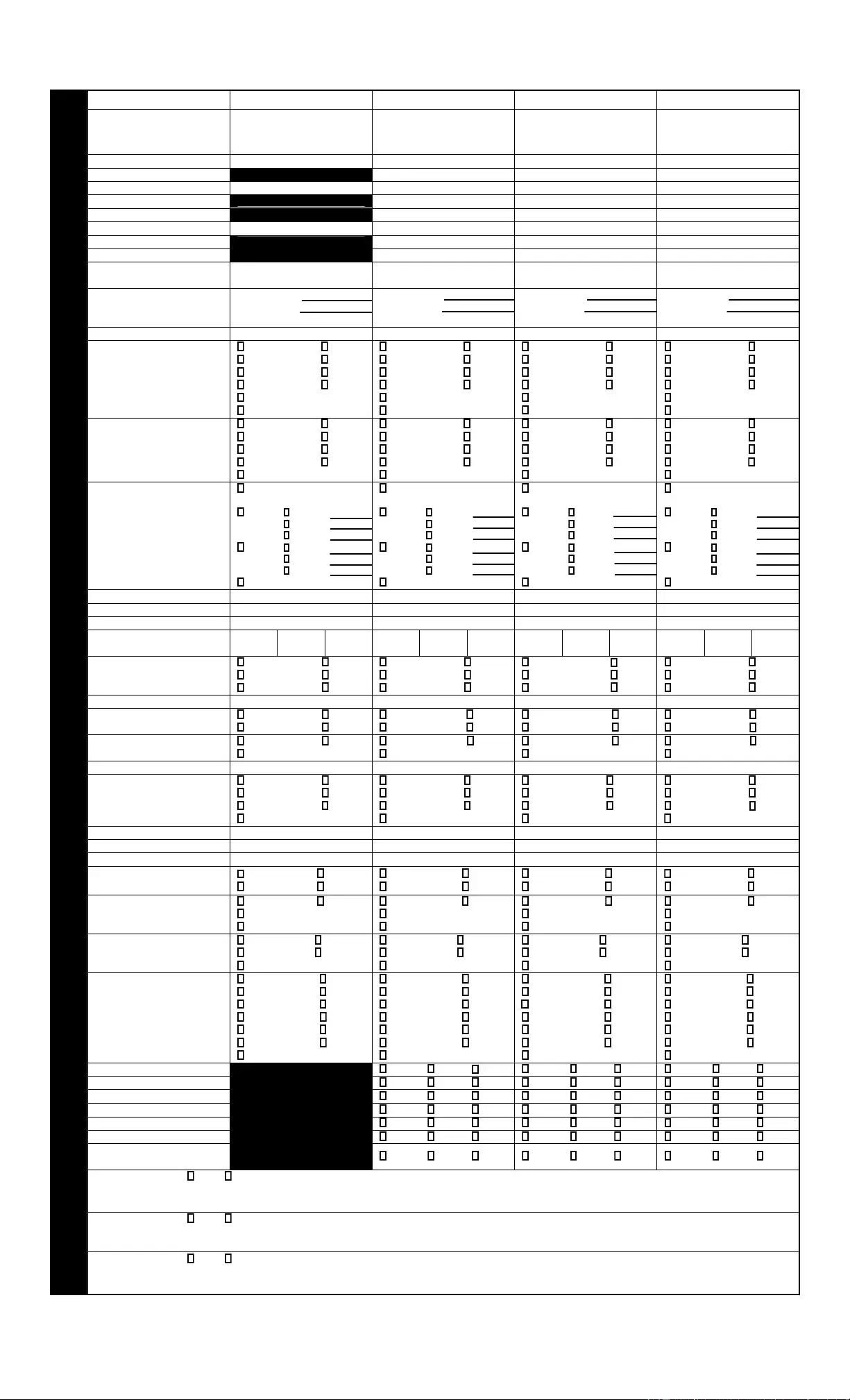
Instructions: Select sales within the last six months which are suitable and similar to the subject property and within the same/similar market area.
ITEM SUBJECT Comparable Sale #1 Comparable Sale #2 Comparable Sale #3
Address, City
MLS #
Proximity to Subject
Original List Price $ $ $ $
Final List Price $ $ $
Sales Price
$ $ $
Seller Concessions
Under Contract Date
Closing Date
Days-on-market (DOM)
from original list date
Previous listing history for last
12 months
Orig. List Price $
Last List Price $
DOM:
Orig. List Price $
Last List Price $
DOM:
Orig. List Price $
Last List Price $
DOM:
Orig. List Price $
Last List Price $
DOM:
Style
Exterior Finish
(Check all that apply)
Brick Wood
Composite Stone
Aluminum Stucco
Synthetic Stucco Vinyl
Hardcoat Stucco
Other:
Brick Wood
Composite Stone
Aluminum Stucco
Synthetic Stucco Vinyl
Hardcoat Stucco
Other:
Brick Wood
Composite Stone
Aluminum Stucco
Synthetic Stucco Vinyl
Hardcoat Stucco
Other:
Brick Wood
Composite Stone
Aluminum Stucco
Synthetic Stucco Vinyl
Hardcoat Stucco
Other:
Roof Type
(Check all that apply)
Composite Slate
Tar Tile
Wood shake Tin
Asphalt shingle Copper
Other:
Composite Slate
Tar Tile
Wood shake Tin
Asphalt shingle Copper
Other:
Composite Slate
Tar Tile
Wood shake Tin
Asphalt shingle Copper
Other:
Composite Slate
Tar Tile
Wood shake Tin
Asphalt shingle Copper
Other:
Car Storage/Type
(Check all that apply)
None
# of Cars
Garage Attached
Detached
Built-in
Carport Attached
Detached
Built-in
Other:
None
# of Cars
Garage Attached
Detached
Built-in
Carport Attached
Detached
Built-in
Other:
None
# of Cars
Garage Attached
Detached
Built-in
Carport Attached
Detached
Built-in
Other:
None
# of Cars
Garage Attached
Detached
Built-in
Carport Attached
Detached
Built-in
Other:
Year Built
Lot Size
Appx. Gross Living Area Sq. Ft Sq. Ft Sq. Ft Sq. Ft
Above Grade Room Count
Tot.
Brms.
Baths Tot. Brms. Baths Tot. Brms. Baths Tot. Brms. Baths
Basement
(Check all that apply)
None Partial
Slab Full
Crawl Space Walk-out
None Partial
Slab Full
Crawl Space Walk-out
None Partial
Slab Full
Crawl Space Walk-out
None Partial
Slab Full
Crawl Space Walk-out
Basement Finish
Attic (Check all that apply)
Full Partial
Crawl Space None
Full Partial
Crawl Space None
Full Partial
Crawl Space None
Full Partial
Crawl Space None
Attic Access
Walkup Hatch
Pull down steps
Walkup Hatch
Pull down steps
Walkup Hatch
Pull down steps
Walkup Hatch
Pull down steps
Bonus Room
Detached Structures
(Check all that apply)
None Barn
Guest House Studio
Pool House Shed
Other:
None Barn
Guest House Studio
Pool House Shed
Other:
None Barn
Guest House Studio
Pool House Shed
Other:
None Barn
Guest House Studio
Pool House Shed
Other:
Deck/Patio
Pool/Spa
Fireplace(s)
Water Supply
Public Private
Community Well
Public Private
Community Well
Public Private
Community Well
Public Private
Community Well
Waste Disposal
Septic Sewer
Cesspool
Other:
Septic Sewer
Cesspool
Other:
Septic Sewer
Cesspool
Other:
Septic Sewer
Cesspool
Other:
Type of Air Conditioning
(Check all that apply)
None Central
Window/Wall
Heat Pump
Other:
None Central
Window/Wall
Heat Pump
Other:
None Central
Window/Wall
Heat Pump
Other:
None Central
Window/Wall
Heat Pump
Other:
Type of Heating System
(Check all that apply)
None Gas
Propane Electric
Radiant Oil
Wood stove Solar
Base Board Coal
Heat
pump Radiator
Other:
None Gas
Propane Electric
Radiant Oil
Wood stove Solar
Base Board Coal
Heat pump Radiator
Other:
None Gas
Propane Electric
Radiant Oil
Wood stove Solar
Base Board Coal
Heat pump Radiator
Other:
None Gas
Propane Electric
Radiant Oil
Wood stove Solar
Base Board Coal
Heat pump Radiator
Other:
Location Superior Similar Inferior Superior Similar Inferior Superior Similar Inferior
Lot Characteristics Superior Similar Inferior Superior Similar Inferior Superior Similar Inferior
View Superior Similar Inferior Superior Similar Inferior Superior Similar Inferior
Floor Plan Utility Superior Similar Inferior Superior Similar Inferior Superior Similar Inferior
Ext. Condition’s Appeal Superior Similar Inferior Superior Similar Inferior Superior Similar Inferior
Int. Condition’s Appeal Superior Similar Inferior Superior Similar Inferior Superior Similar Inferior
Overall Rating of Sales as
Compared to Subject
Superior Similar Inferior Superior Similar Inferior Superior Similar Inferior
Sales #1: Inspected? Yes No Comments:
Sales #2: Inspected? Yes No Comments:
COMPARABLE SALES
Sales #3: Inspected? Yes No Comments:
Copyright © 2008 by Worldwide ERC
®
Rev. 01/07/2009 This Form Expires 12/31/2009 Page 6 of 6
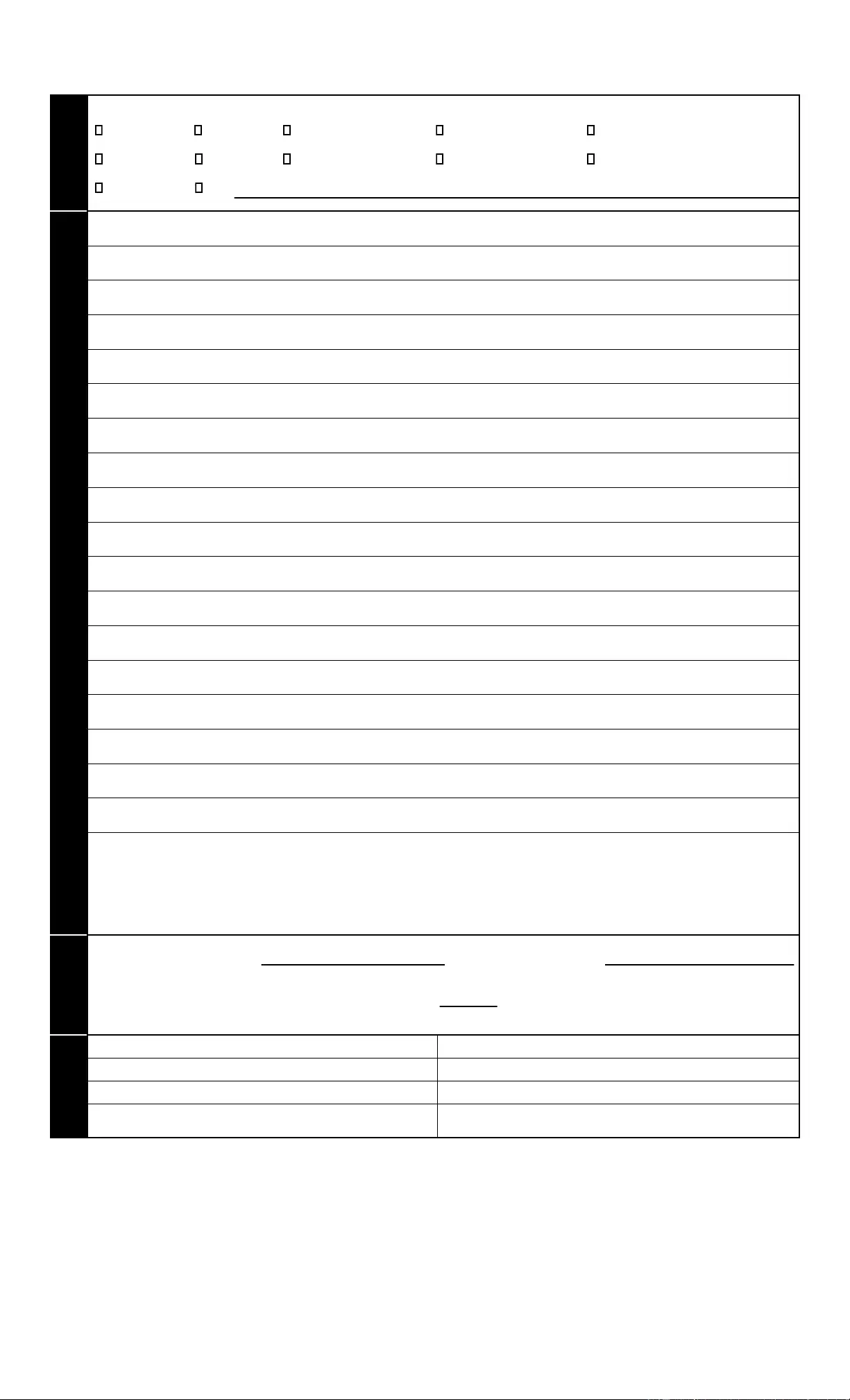
MOST LIKELY
BUYER(S)
Check all that apply:
Local Buyer Transferee International Buyer First-time Homebuyer Second-home Buyer
Empty Nester Military Parent Purchaser for Child Move-up Homebuyer Investor
Dual-income Other:
What are the three - five challenges to getting this property sold?
1.
2.
3.
4.
5.
What are the three - five actions necessary to address the challenges identified above?
1.
2.
3.
4.
5.
What are the top five creative ideas you will use in marketing this property keeping in mind the challenges and actions identified above?
1.
2.
3.
4.
5.
MARKETING STRATEGY
Additional Comments:
VALUE
ANALYSIS
Most Likely Sales Price (MLSP): $ Suggested List Price (SLP): $
The MLSP is based on “as is” condition and a marketing time not to exceed days to a contract of sale.
(# of days)
File #: Real Estate Firm:
Real Estate Firm Tax ID #: Date of Inspection:
Contact Name: Agent Preparer Name:
SIGNATURES
Contact Signature: Agent Preparer Signature:

Document Specifications

Fact Name Description
Purpose This report helps real estate brokers analyze a property's condition, competition, and marketability.
Most Likely Sales Price The report estimates the property's Most Likely Sales Price based on its current condition.
Not an Appraisal This analysis is not an appraisal and should not be used as such.
State-Specific Requirements Prepares must be aware of and include any state-specific disclosure requirements.
Inspection Guidelines Follow the requesting company’s guidelines for contacting homeowners and inspecting properties.
Marketing Time Frame The analysis assumes a marketing time not exceeding 120 days unless directed otherwise.
Property Condition Disclosure Details about the property's condition must be checked and documented during the inspection.
Financing Options Identifies potential financing options, including FHA, VA, cash, and conventional mortgages.
Expiration Date The form is valid until December 31, 2009, and should not be used after that date.

Steps to Filling Out Erc Broker Market Analysis

Filling out the ERC Broker Market Analysis form requires careful attention to detail. You will need to gather information about the property, its condition, and the market. Once completed, this form will help provide insights into the property’s value and marketability.

  1. Start with the INFORMATION section. Fill in the file number, homeowner's name, property address, and contact numbers.
  2. Next, provide details about the requesting company, including the name, email, address, and phone number.
  3. In the ASSIGNMENT section, enter the real estate firm’s name, contact person, and their email address. Also, include the firm’s address and phone number.
  4. Document the agent preparer’s name and phone number.
  5. Record the homeowner's purchase price and the date it was purchased.
  6. List any improvements made by the homeowner, and indicate if the property is currently listed for sale.
  7. Specify the form of ownership (e.g., Fee Simple or Leasehold) and the occupant status (e.g., Homeowner, Tenant, or Vacant).
  8. Identify the property type (e.g., Condo, Single Family, Town House) and any personal property that remains.
  9. Describe the subject’s location type (e.g., Urban, Suburban) and provide comments on lot characteristics and views.
  10. Check all applicable site characteristics and miscellaneous issues that may affect the property’s insurability.
  11. In the SUBJECT CONDITION INSPECTIONS/DISCLOSURES section, check any conditions you observe and provide comments as needed.
  12. Estimate costs for recommended repairs and improvements for both interior and exterior items.
  13. List all required inspections and disclosures that apply to the property.
  14. Identify the probable financing means and describe any financing concessions needed for the sale.
  15. Anticipate any issues that may affect financing and comment if necessary.
  16. Define the subject neighborhood and its price range, and provide insights on property values and market conditions.
  17. Calculate the months supply of inventory and describe any marketing concessions for competing properties.
  18. Gather details on competing listings and comparable sales, including their original and final list prices, seller concessions, and days on market.
  19. Complete the final section by providing comments on the overall condition of the subject property compared to the competing listings.

More About Erc Broker Market Analysis

What is the purpose of the ERC Broker Market Analysis form?

The ERC Broker Market Analysis form serves as a tool for real estate brokers to conduct a thorough evaluation of a property’s condition, its competitive landscape, and its potential for future marketability. The report culminates in an estimation of the property’s Most Likely Sales Price (MLSP). It is crucial to understand that this document is not a home inspection or an appraisal. Instead, it provides a comparative market analysis that does not adhere to the Uniform Standards of Professional Appraisal Practice. Brokers must also be mindful of any specific state disclosure requirements when completing the form.

How should brokers prepare for the property inspection outlined in the form?

Brokers should follow the procedural guidelines set forth by the requesting company. This includes contacting the homeowner to schedule the inspection, inspecting the property thoroughly, and gathering necessary photographs. It is essential to document all observations accurately, as these will inform the final analysis and the estimation of the Most Likely Sales Price. The inspection should be conducted with care, ensuring that all relevant aspects of the property are assessed, including any improvements made by the homeowner.

What factors are considered when estimating the Most Likely Sales Price?

The estimation of the Most Likely Sales Price (MLSP) is based on the property’s current condition, which is evaluated in an “as is” state. Additionally, brokers should consider the anticipated marketing time, typically not exceeding 120 days to secure a contract of sale. Factors influencing this estimate include the condition of the property, the competitive landscape, and any locational issues that may impact insurability or marketability. It is also important to analyze recent sales data from comparable properties in the area to support the pricing strategy.

What should brokers include in their analysis regarding the neighborhood and broader market area?

Brokers must define the subject neighborhood and gather relevant statistics that reflect the market conditions within that area. This includes understanding the price range of properties, trends in property values, and average days on the market. Additionally, it is vital to analyze the broader market area, which encompasses regions beyond the immediate neighborhood. Brokers should identify any specific issues that may not be reflected in the neighborhood data but could affect the sale, such as economic conditions, competing property types, and overall market trends.

Common mistakes

  1. Inadequate Property Description: Failing to provide a detailed description of the property can lead to misunderstandings. Essential features such as the number of bedrooms, bathrooms, and unique characteristics should be clearly outlined.

  2. Ignoring Market Conditions: Not considering current market trends can skew the estimated sales price. It’s crucial to analyze comparable properties and their recent sales to provide an accurate assessment.

  3. Neglecting State-Specific Requirements: Each state has unique disclosure laws. Omitting these can lead to legal complications. Always verify and include necessary disclosures pertinent to the location of the property.

  4. Overlooking Property Condition: Failing to assess the physical condition of the property can result in an inaccurate market analysis. Documenting any repairs needed or existing issues is essential for a realistic evaluation.

  5. Inaccurate Financial Information: Providing incorrect financing options or terms can mislead potential buyers. Ensure that the financing section is filled out with precise and realistic information.

  6. Insufficient Marketing Insights: Not detailing marketing strategies or concessions can hinder the property's appeal. It’s important to suggest potential incentives that could attract buyers in the current market.

Documents used along the form

The ERC Broker Market Analysis form is a vital tool for real estate brokers to assess a property's condition and market potential. Alongside this form, several other documents are commonly utilized to provide a comprehensive view of the property and its market context. Here’s a brief overview of these related documents:

  • Property Disclosure Statement: This document outlines any known issues with the property, such as structural defects or environmental hazards. It helps buyers understand the property's condition before making a purchase.
  • Comparative Market Analysis (CMA): A CMA is a report that evaluates similar properties in the area to estimate a property’s value. It is essential for setting a competitive listing price.
  • Listing Agreement: This contract between the seller and the real estate agent outlines the terms of the property listing, including the commission rate and duration of the agreement.
  • Sales Contract: This legal document details the terms of the sale, including the purchase price, contingencies, and closing date. It is crucial for formalizing the agreement between buyer and seller.
  • Inspection Report: Conducted by a licensed inspector, this report identifies any issues with the property that may need to be addressed before sale. It can influence negotiations and pricing.
  • Appraisal Report: An appraisal provides an independent assessment of a property's market value, often required by lenders to secure financing for buyers.
  • Title Report: This document verifies the property’s legal ownership and any liens or encumbrances. It ensures that the seller has the right to sell the property.
  • Marketing Plan: This outlines the strategies and tactics the broker will use to promote the property, helping to attract potential buyers effectively.

Using these documents in conjunction with the ERC Broker Market Analysis form can enhance the understanding of the property’s market position, ensuring a smoother transaction process for all parties involved.

Similar forms

The Comparative Market Analysis (CMA) is a document that real estate agents use to determine the value of a property based on the sale prices of similar properties in the area. Like the ERC Broker Market Analysis form, the CMA focuses on recent sales data and current listings to provide an estimated market value. The CMA includes details about the properties being compared, such as size, location, and features, and is often used to set listing prices or make offers. Both documents aim to provide a clear picture of the property’s marketability.

The Appraisal Report is another document similar to the ERC Broker Market Analysis form. An appraisal is conducted by a licensed appraiser who evaluates a property’s value based on various factors, including its condition, location, and comparable sales. While the ERC form is more focused on market strategy and potential pricing, the appraisal provides a formal valuation that can be used for financing and legal purposes. Both documents consider comparable properties but serve different functions in the real estate transaction process.

The Property Inspection Report is an assessment of a property’s physical condition. This report identifies issues that may affect the property’s value, such as structural problems or needed repairs. Similar to the ERC Broker Market Analysis form, it provides insights into the property’s marketability. However, the inspection report focuses more on the condition of the property rather than its market value. Both documents can influence a buyer's decision and the pricing strategy.

The Seller’s Disclosure Statement is a legal document that sellers provide to potential buyers. It outlines known issues with the property, such as past repairs or environmental hazards. This document shares similarities with the ERC Broker Market Analysis form in that both aim to inform potential buyers about the property. Transparency regarding the property’s condition and history can significantly impact its marketability and pricing.

The Listing Agreement is a contract between a property owner and a real estate agent that outlines the terms of the property’s sale. This document is similar to the ERC Broker Market Analysis form because it includes details about the property, the agent’s responsibilities, and pricing strategies. Both documents play a crucial role in the selling process, ensuring that all parties have a clear understanding of the property’s market position and the expected outcomes.

The Rental Market Analysis (RMA) is used by landlords and property managers to determine appropriate rental prices for properties. Like the ERC Broker Market Analysis form, the RMA analyzes comparable properties to establish a competitive rate. While the ERC form focuses on sales, the RMA emphasizes rental income potential. Both documents assist in making informed decisions about property pricing based on market conditions.

The Market Research Report provides broader insights into real estate trends within a specific area. This report includes data on property values, sales trends, and economic factors affecting the market. Similar to the ERC Broker Market Analysis form, it aims to equip real estate professionals with information to make informed decisions. While the ERC form is more focused on a specific property, the Market Research Report gives a wider perspective on market dynamics.

The Home Valuation Code of Conduct (HVCC) is a set of guidelines that govern how appraisals are conducted. While the ERC Broker Market Analysis form is not an appraisal, it serves a similar purpose by estimating property value based on market conditions. Both documents seek to ensure that property values are determined fairly and accurately, although the HVCC is more regulatory in nature.

The Real Estate Market Analysis (REMA) is a comprehensive study of market trends, property values, and buyer behavior in a specific area. This analysis is similar to the ERC Broker Market Analysis form in that both provide insights into market conditions that affect property pricing. However, the REMA tends to be more in-depth, often involving statistical analysis and market forecasts, whereas the ERC form is more focused on immediate pricing strategies.

The Investment Property Analysis is a tool used by investors to evaluate the potential return on investment for a property. This analysis includes factors such as cash flow, expenses, and appreciation potential. Similar to the ERC Broker Market Analysis form, it considers the property’s marketability and pricing. However, the Investment Property Analysis is specifically tailored to investors looking for financial returns, while the ERC form is aimed at brokers assessing market conditions.

Dos and Don'ts

When filling out the ERC Broker Market Analysis form, it is important to follow specific guidelines to ensure accuracy and compliance. Below is a list of things you should and shouldn't do during this process.

  • Do read the instructions carefully before starting the form.
  • Do provide complete and accurate information about the property and the homeowner.
  • Do check for any state-specific disclosure requirements and include them as necessary.
  • Do follow the requesting company's procedural guidelines for contacting homeowners and submitting reports.
  • Do estimate the Most Likely Sales Price based on the property’s current condition and market conditions.
  • Don't treat this form as a home inspection or appraisal; it serves a different purpose.
  • Don't omit any known issues that may affect the property’s insurability or marketability.
  • Don't provide incomplete or vague comments in the additional comments sections.
  • Don't forget to verify the accuracy of all numerical estimates and calculations.

Misconceptions

  • Misconception 1: The ERC Broker Market Analysis form is an appraisal.

    This form is not intended to serve as an appraisal. It is a comparative market analysis designed to estimate the Most Likely Sales Price based on property condition and market factors, but it does not meet the standards of a formal appraisal.

  • Misconception 2: The form includes a home inspection.

    While the form allows for the observation of property condition, it is not a home inspection. The purpose is to analyze marketability and competition rather than to assess the property for safety or structural integrity.

  • Misconception 3: The Most Likely Sales Price is a guaranteed sale price.

    The Most Likely Sales Price is merely an estimate based on current market conditions and property analysis. It does not guarantee that the property will sell for that amount.

  • Misconception 4: All state-specific disclosure requirements are covered by the form.

    Preparers must be aware of and include any state-specific disclosure requirements themselves. The form does not automatically account for these variations.

  • Misconception 5: The form is only applicable for residential properties.

    The ERC Broker Market Analysis form can be used for various types of properties, including condos, townhouses, and mixed-use developments. Its versatility extends beyond just residential real estate.

Key takeaways

  • Purpose of the Form: The ERC Broker Market Analysis form is intended to help real estate brokers assess a property's condition, competition, and marketability. This analysis is essential for estimating the Most Likely Sales Price (MLSP).
  • Not an Appraisal: It is crucial to understand that this form is not an appraisal and should not be used as one. It is a comparative market analysis and does not comply with appraisal standards.
  • State-Specific Requirements: Brokers must be aware of and include any state-specific disclosure requirements in the form. This ensures compliance with local regulations.
  • Contact Guidelines: Follow the specific guidelines provided by the requesting company for contacting the homeowner, inspecting the property, and submitting the report.
  • Property Condition Details: The form requires detailed observations about the property's condition, including any improvements made, issues observed, and necessary repairs. Providing accurate information is vital for a thorough analysis.
  • Neighborhood Analysis: Brokers should define the subject neighborhood and gather statistics that reflect the market area. This includes understanding property values, days on the market, and economic conditions.
  • Financing Considerations: Identify potential financing options and any issues that might affect securing financing for the property. This includes considering the condition, zoning, and any HOA restrictions.