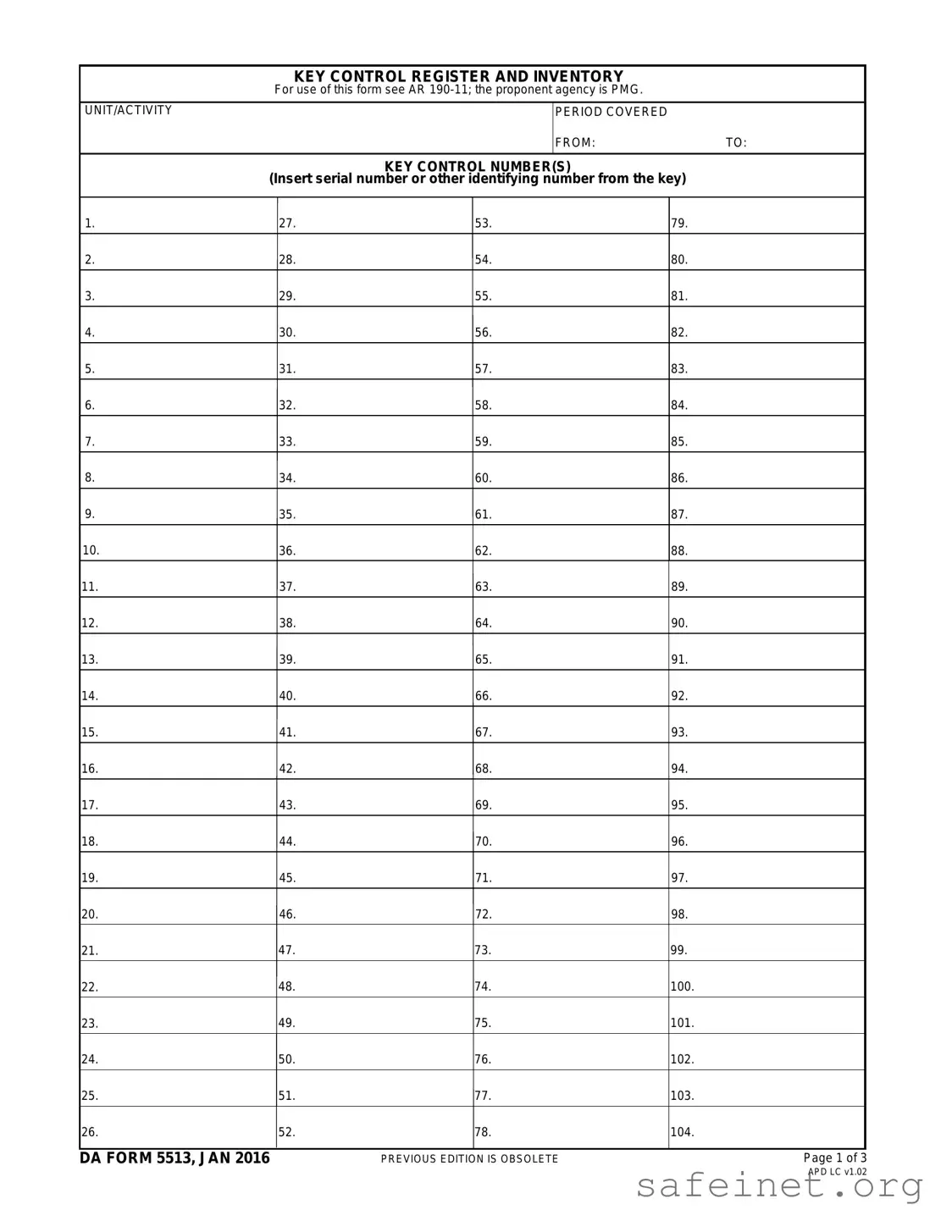
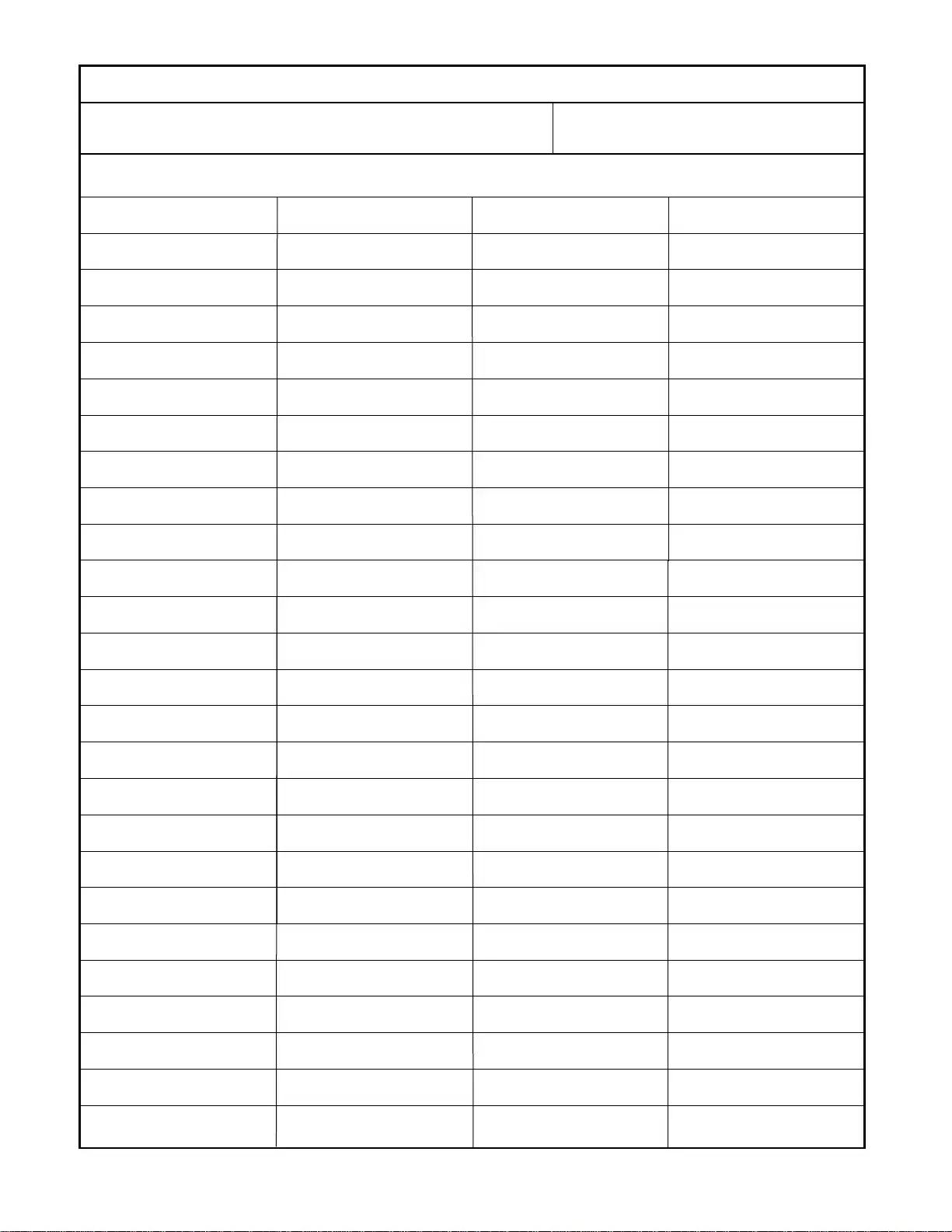
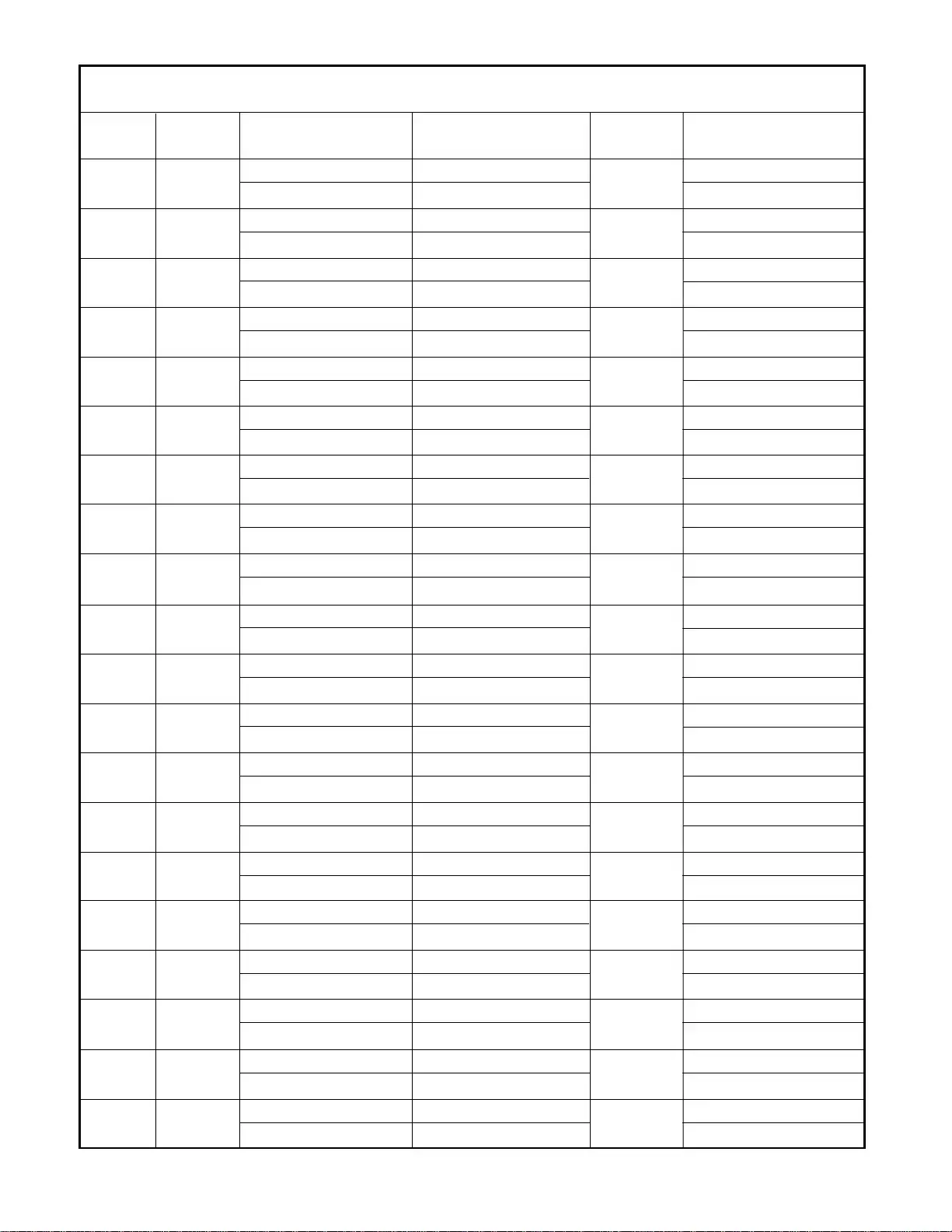
The DA 5513 form serves a crucial role in managing key control and inventory within military units and activities. This form is designed to track the issuance and return of keys, ensuring accountability and security. Each entry on the form includes a unique key control number, which helps identify specific keys and their associated responsibilities. Users must fill out details such as the date and time keys are issued, along with the names and signatures of the individuals involved in the transaction. Regular inventories, conducted semiannually or jointly, are also documented on the form, reinforcing the importance of maintaining accurate records. By adhering to the guidelines set forth in AR 190-11, military personnel can effectively manage key access and safeguard sensitive areas, thereby enhancing overall operational security.
| Fact Name | Description |
|---|---|
| Purpose | The DA Form 5513 is used to maintain a key control register and inventory for military units and activities. |
| Governing Regulation | This form is governed by Army Regulation (AR) 190-11, which outlines security policies for Army installations. |
| Form Version | The current version of the DA Form 5513 was released in January 2016. |
| Key Control Numbers | The form allows for the documentation of multiple key control numbers, facilitating organized tracking. |
| Issued By | Personnel must sign and print their name when issuing keys, ensuring accountability. |
| Turn-In Process | When keys are turned in, the form requires the signature and date from the receiving personnel. |
| Inventory Frequency | Joint or semiannual inventories are mandated, ensuring regular checks of key control. |
| Previous Editions | The DA Form 5513 has undergone revisions, and previous editions are now considered obsolete. |
Filling out the DA 5513 form requires attention to detail. This form is essential for managing key control and inventory within military units. It’s important to ensure all information is accurate and complete to maintain proper records.
What is the DA 5513 form used for?
The DA 5513 form is primarily used as a key control register and inventory. It helps military units maintain accurate records of key issuance and returns, ensuring that access to secure areas is properly monitored and controlled. By documenting the details of key transactions, the form aids in accountability and security within military facilities.
Who is responsible for using the DA 5513 form?
This form is utilized by personnel within military units or activities that manage keys to secured areas. The responsibility typically falls to those in charge of security or facilities management. They must ensure that the form is filled out accurately and kept up to date to reflect the current status of key control.
What information is required on the DA 5513 form?
Key information needed on the DA 5513 includes the unit or activity name, the period covered, and the serial numbers of the keys involved. Additionally, it requires details about who issued and received the keys, including their printed names and signatures. Dates and times for key issuance and return must also be recorded.
How often should the DA 5513 form be updated?
The DA 5513 form should be updated each time a key is issued or returned. Regular inventories, typically conducted semiannually or jointly, should also be documented on the form. This ensures that records remain accurate and that any discrepancies can be addressed promptly.
What happens if a key is lost or not returned?
If a key is lost or not returned, it is crucial to report the incident immediately to the appropriate authorities within the unit. The DA 5513 form should reflect this situation, and further investigation may be necessary to assess the implications for security. Units may have specific protocols for addressing lost keys, which should be followed closely.
Can the DA 5513 form be used for other types of inventory?
The DA 5513 form is specifically designed for key control and inventory management. While it is not intended for general inventory purposes, the principles of accountability and documentation can be applied to other inventory systems within military operations. However, using dedicated forms for other inventory types is recommended for clarity and compliance.
What is the significance of the printed name and signature on the form?
The printed name and signature of individuals involved in key issuance and return provide a clear record of accountability. This helps establish who is responsible for each key at any given time. In case of discrepancies or security breaches, these signatures can be vital for investigations and determining accountability.
Is there a specific format for filling out the DA 5513 form?
While the DA 5513 form has a structured format, it is essential to fill it out clearly and accurately. Each section must be completed as per the guidelines outlined in AR 190-11. This includes using the correct serial numbers for keys and ensuring that all signatures are legible. Adhering to the prescribed format helps maintain uniformity and eases the auditing process.
Where can I obtain a copy of the DA 5513 form?
A copy of the DA 5513 form can typically be obtained through military supply channels or administrative offices within military units. It may also be available online through official military websites or resources. Ensuring that you have the most current version is important, as older editions may be obsolete.
Neglecting to fill in the period covered: Failing to specify the start and end dates can lead to confusion regarding the inventory period.
Incorrectly entering key control numbers: Mistakes in the serial numbers or identifiers can cause discrepancies in records.
Omitting signatures: Not signing the form can result in it being deemed incomplete, which may delay processing.
Using outdated forms: Submitting a previous edition instead of the current DA Form 5513 can lead to rejection of the form.
Failing to document the date and time of key issuance: This oversight can complicate tracking and accountability.
Not including printed names: Omitting printed names next to signatures can create uncertainty about who authorized actions.
Inadequate inventory documentation: Not providing thorough records during joint or semiannual inventories can lead to compliance issues.
The DA 5513 form is essential for managing key control within military units. To ensure proper handling and documentation, several other forms and documents are often used alongside it. Below is a list of these related documents, each serving a specific purpose in the key control process.
Using these forms and documents together with the DA 5513 can enhance accountability and security within military operations. Each document plays a crucial role in ensuring that key control processes are effective and transparent.
The DA Form 2062, also known as the Hand Receipt, is a document used to account for property issued to individuals or organizations. Like the DA 5513, it maintains a record of items and their serial numbers. This ensures accountability within military units. The form requires signatures from both the issuing and receiving parties, establishing a clear chain of responsibility for the items listed. This similarity in tracking and accountability makes the DA 2062 an essential tool in property management.
The DA Form 3749, or Equipment Receipt, serves a similar purpose by documenting the issuance of equipment to soldiers. It includes details such as the equipment type, serial number, and the names of the individuals involved in the transaction. Both forms emphasize the importance of maintaining accurate records to prevent loss or misplacement of military assets. The DA Form 3749 also requires signatures from both parties, reinforcing the accountability aspect found in the DA 5513.
The DA Form 3161, known as the Request for Issue or Turn-In, is another document that parallels the DA 5513 in its function of tracking military property. This form is used to request the issuance or return of equipment, ensuring that all transactions are documented. Like the DA 5513, it includes spaces for signatures and dates, thereby maintaining a clear record of who is responsible for the items at any given time. This helps streamline the process of managing military assets.
The DA Form 7000, the Personal Property Record, also shares similarities with the DA 5513. This form is utilized to track personal property assigned to military personnel. It includes details such as item descriptions and serial numbers, ensuring that all property is accounted for. The emphasis on record-keeping and accountability in both forms highlights the military's commitment to managing resources effectively.
The DA Form 2404, or Equipment Inspection and Maintenance Worksheet, is used to document the condition of military equipment. While it focuses on maintenance rather than issuance, it still requires detailed records of the equipment, including serial numbers. The need for accurate documentation in both forms underscores the military's dedication to maintaining operational readiness and accountability for all assets.
The DA Form 3151, also known as the Key Control Log, is closely related to the DA 5513 in that it specifically tracks the issuance and return of keys within military installations. This form records the same essential information, such as key numbers and signatures of those involved in the transactions. Both forms serve the critical purpose of ensuring that access to sensitive areas is managed securely and responsibly.
The DA Form 2408-5, the Historical Record for Equipment, tracks the history of maintenance and repairs for military assets. While it differs in focus, it shares the same commitment to thorough documentation found in the DA 5513. Both forms require detailed entries and signatures, ensuring that all relevant information is captured for future reference and accountability.
The DA Form 581, or Request for Issue and Turn-In of Ammunition, is another document that parallels the DA 5513. This form is specifically designed for tracking the issuance and return of ammunition. It includes similar fields for signatures and dates, maintaining a clear record of responsibility. The emphasis on accountability in both forms is crucial for maintaining safety and security within military operations.
The DA Form 1296, the Property Accountability Record, is utilized to maintain a comprehensive record of property assigned to a unit or individual. Like the DA 5513, it emphasizes the importance of accurate record-keeping and accountability. Both forms require detailed entries and signatures, ensuring that all property is properly accounted for and managed throughout its lifecycle.
Finally, the DA Form 2406, the Maintenance Request, serves a similar function by documenting requests for maintenance on military equipment. While its primary focus is on maintenance rather than inventory, it still requires detailed records of the equipment involved. The shared emphasis on documentation and accountability in both forms highlights the military's commitment to effective resource management and operational readiness.
Filling out the DA 5513 form accurately is crucial for maintaining effective key control and inventory management. Here are some important do's and don'ts to consider when completing this form:
Understanding the DA 5513 form is essential for effective key control and inventory management. However, several misconceptions can lead to confusion. Here are seven common misconceptions about the DA 5513 form:
By clarifying these misconceptions, individuals can better understand the importance of the DA 5513 form in managing key control effectively.
The DA 5513 form serves as a key control register and inventory document. Understanding its purpose and proper usage is essential for effective key management. Here are seven key takeaways regarding this form:
By adhering to these guidelines, individuals can enhance the effectiveness of key control within their organization.