Homepage > Blank Ct 3 S Template
Article Structure

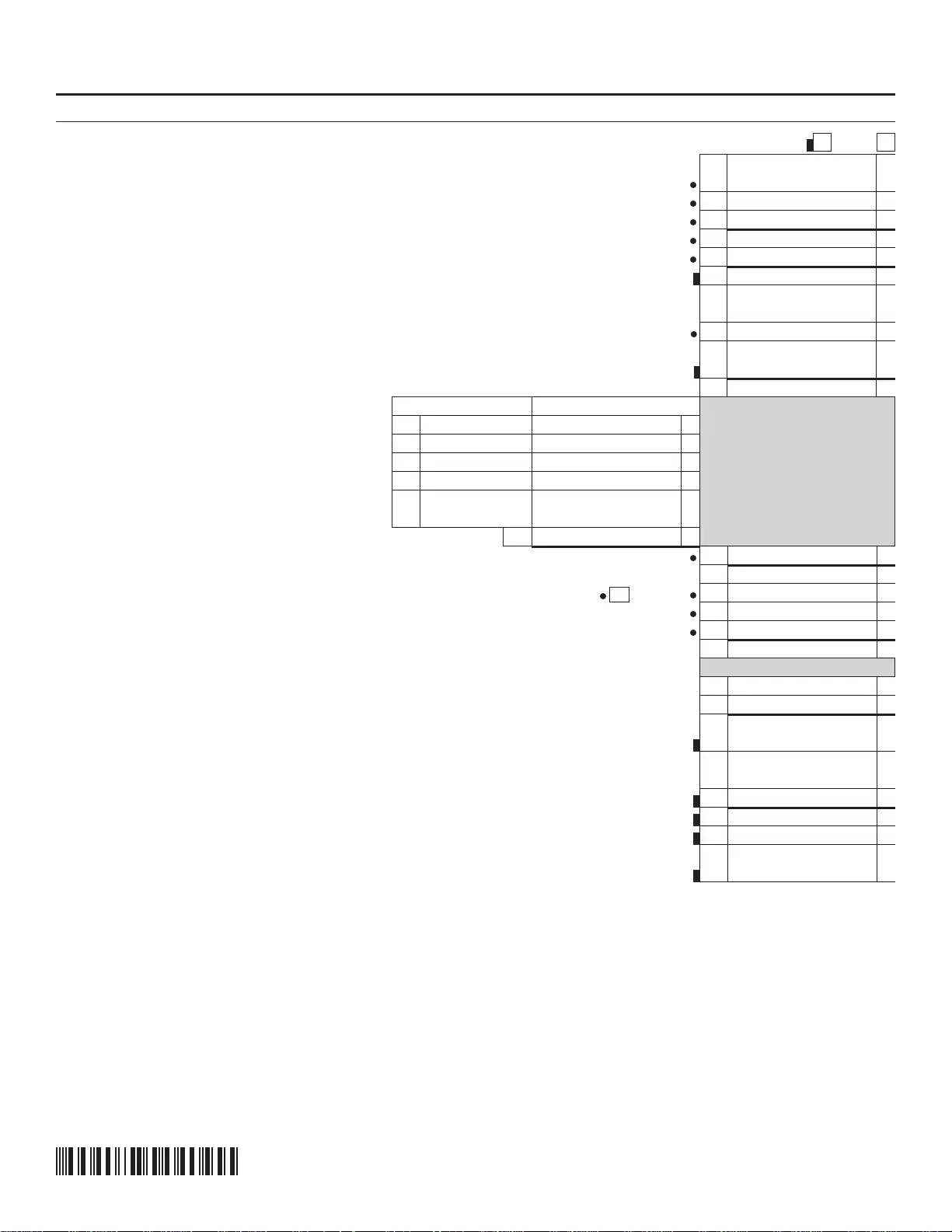
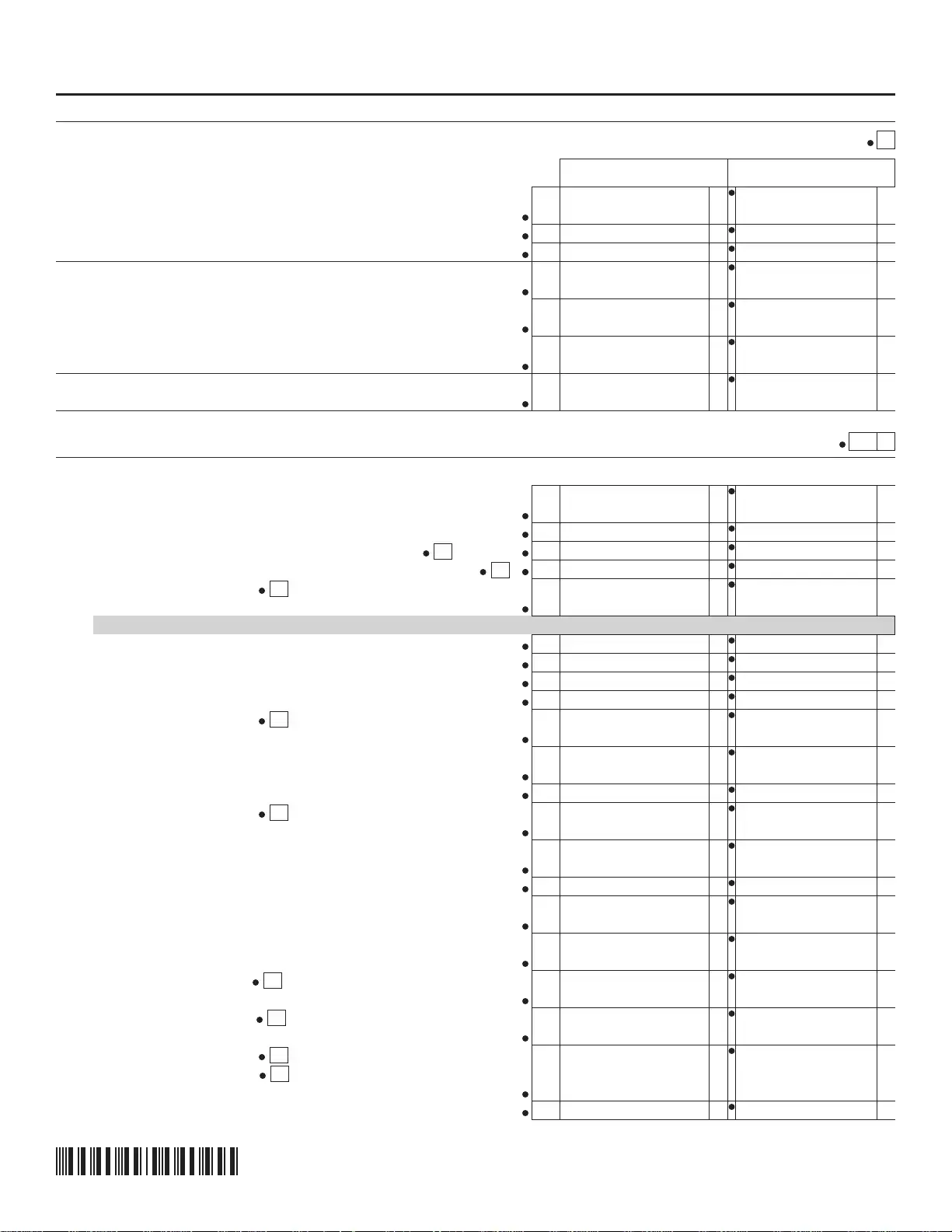
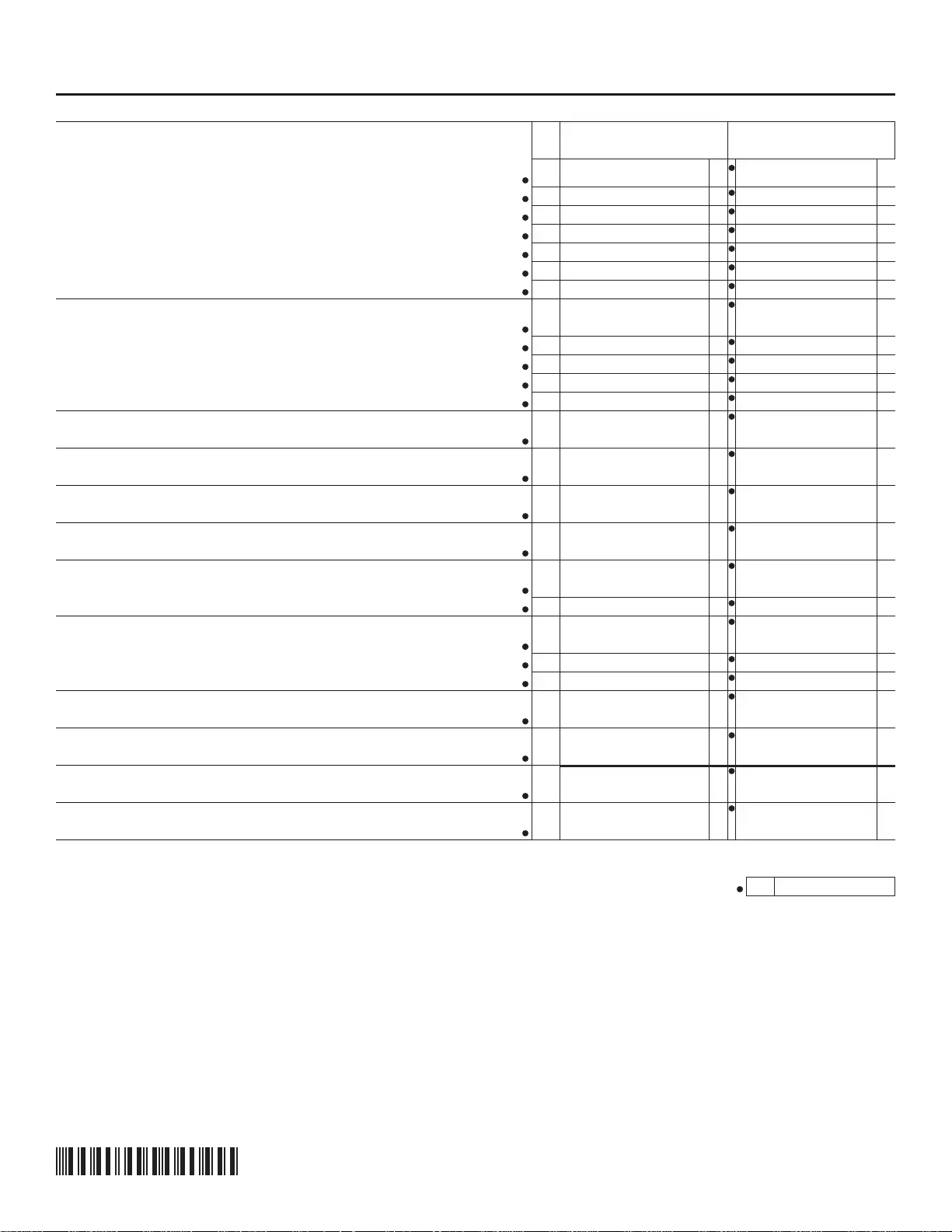
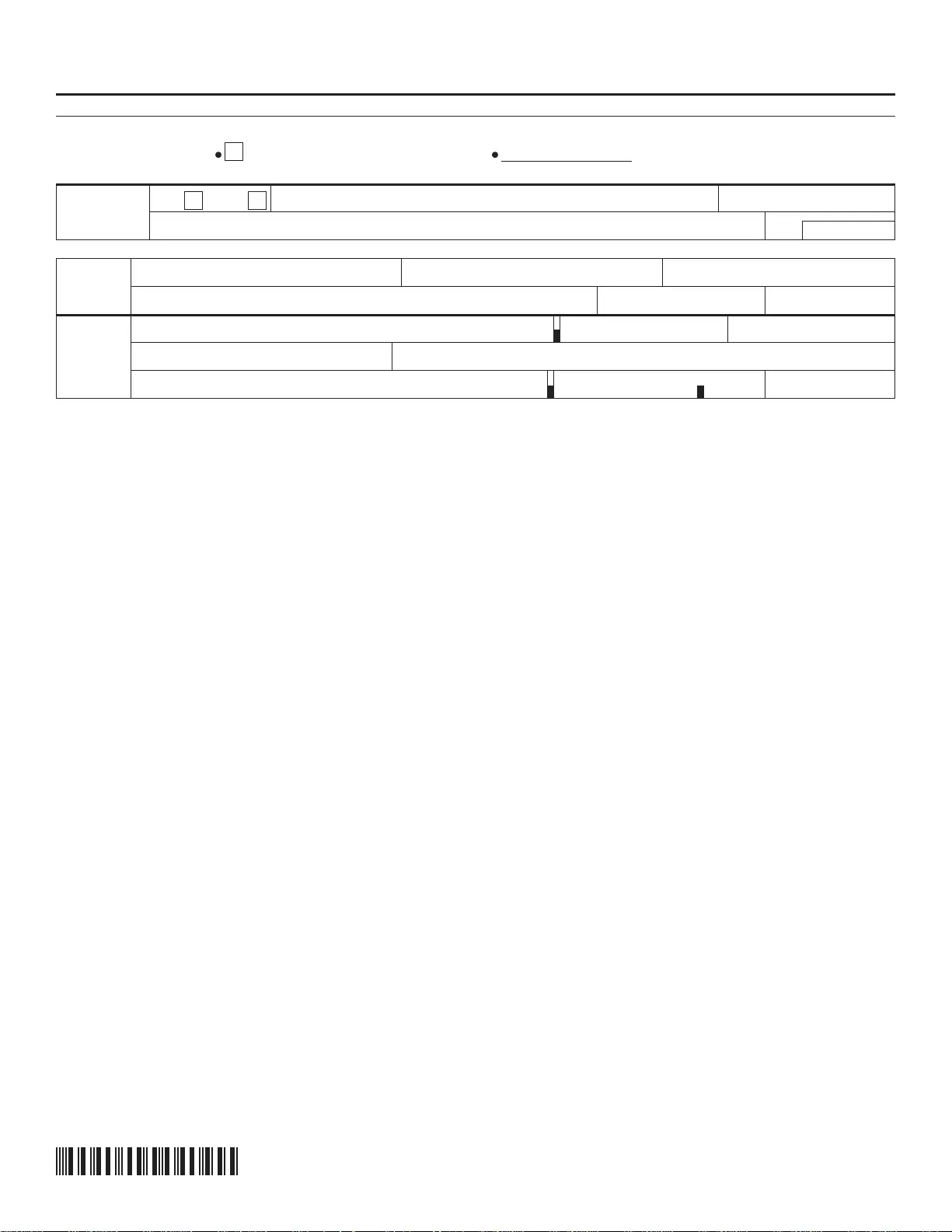
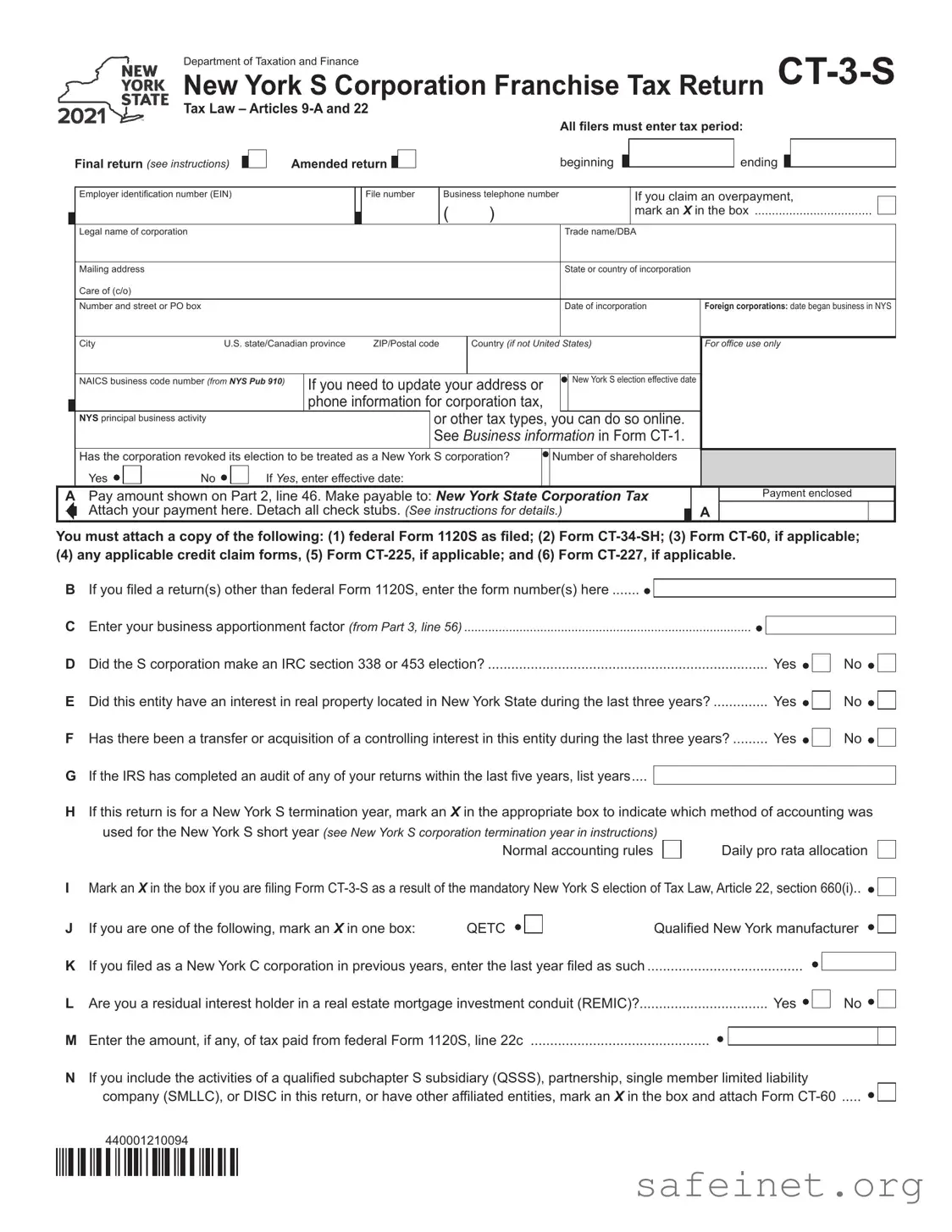
The CT-3-S form is a crucial document for S corporations operating in New York State, serving as the Franchise Tax Return for these entities. This form is essential for reporting the corporation's income, deductions, and credits, and it ensures compliance with New York tax laws as outlined in Articles 9-A and 22. When completing the CT-3-S, filers must provide key information, such as the tax period, employer identification number (EIN), and the legal name of the corporation. The form also requires details about the corporation's incorporation, mailing address, and the number of shareholders. Notably, if an overpayment is claimed, the form includes a specific section for marking this request. Additionally, corporations must attach supporting documents, including federal Form 1120S, to substantiate their claims. The CT-3-S also features sections for tax computation, including New York receipts and any applicable credits. Understanding how to accurately fill out this form is vital for S corporations to avoid penalties and ensure they meet their tax obligations effectively.
Form Sample

440001210094
CT-3-S
Department of Taxation and Finance
New York S Corporation Franchise Tax Return
Tax Law – Articles 9-A and 22
Employer identication number (EIN) File number Business telephone number
( )
NAICS business code number
(from NYS Pub 910)
NYS principal business activity
New York S election e󰀨ective date
If you claim an overpayment,
mark an X in the box ..................................
Has the corporation revoked its election to be treated as a New York S corporation?
Yes No If Yes, enter e󰀨ective date:
Number of shareholders
You must attach a copy of the following: (1) federal Form 1120S as led; (2) Form CT-34-SH; (3) Form CT-60, if applicable;
(4) any applicable credit claim forms, (5) Form CT-225, if applicable; and (6) Form CT-227, if applicable.
All lers must enter tax period:
beginning ending
Amended returnFinal return
(see instructions)
A Pay amount shown on Part 2, line 46. Make payable to: New York State Corporation Tax
Attach your payment here. Detach all check stubs.
(See instructions for details.)
A
Payment enclosed
B If you led a return(s) other than federal Form 1120S, enter the form number(s) here .......
C Enter your business apportionment factor
(from Part 3, line 56) ...................................................................................
D Did the S corporation make an IRC section 338 or 453 election? ........................................................................ Yes No
E Did this entity have an interest in real property located in New York State during the last three years? .............. Yes No
F Has there been a transfer or acquisition of a controlling interest in this entity during the last three years? ......... Yes No
G
If the IRS has completed an audit of any of your returns within the last ve years, list years
....
H If this return is for a New York S termination year, mark an X in the appropriate box to indicate which method of accounting was
used for the New York S short year
(see New York S corporation termination year in instructions)
Normal accounting rules Daily pro rata allocation
I
Mark an X in the box if you are ling Form CT-3-S as a result of the mandatory New York S election of Tax Law, Article 22, section 660(i)
..
J If you are one of the following, mark an X in one box: QETC Qualied New York manufacturer
K If you led as a New York C corporation in previous years, enter the last year led as such ........................................
L Are you a residual interest holder in a real estate mortgage investment conduit (REMIC)?................................. Yes No
M Enter the amount, if any, of tax paid from federal Form 1120S, line 22c ..............................................
N If you include the activities of a qualied subchapter S subsidiary (QSSS), partnership, single member limited liability
company (SMLLC), or DISC in this return, or have other a󰀩liated entities, mark an X in the box and attach Form CT-60 .....
Legal name of corporation Trade name/DBA
Mailing address
State or country of incorporation
Care of (c/o)
Number and street or PO box
Date of incorporation
Foreign corporations: date began business in NYS
City U.S. state/Canadian province ZIP/Postal code Country (if not United States) For oce use only
If you need to update your address or
phone information for corporation tax,
or other tax types, you can do so online.
See Business information in Form CT-1.
440002210094
Page 2 of 6 CT-3-S (2021)
1 Ordinary business income or loss ................................................................................................... 1
2 Net rental real estate income or loss .............................................................................................. 2
3 Other net rental income or loss ....................................................................................................... 3
4 Interest income ............................................................................................................................... 4
5 Ordinary dividends .......................................................................................................................... 5
6 Royalties ......................................................................................................................................... 6
7 Net short-term capital gain or loss .................................................................................................. 7
8 Net long-term capital gain or loss ................................................................................................... 8
9 Net section 1231 gain or loss.......................................................................................................... 9
10 Other income or loss ....................................................................................................................... 10
11 Loans to shareholders
(from federal Form 1120S, Schedule L, line 7, columns b and d)
Beginning of tax year End of tax year
12 Total assets
(from federal Form 1120S, Schedule L, line 15, columns b and d)
Beginning of tax year End of tax year
13 Loans from shareholders
(from federal Form 1120S, Schedule L, line 19, columns b and d)
Beginning of tax year End of tax year
Provide the information for lines 1 through 10 from the corresponding lines on your federal Form 1120S, Schedule K, total
amount column.
(Show any negative amounts with a minus (-) sign; do not use parentheses or brackets.)
Provide the information for lines 14 through 21 from the corresponding lines on your federal Form 1120S, Schedule M-2.
(Show any negative amounts with a minus (-) sign; do not use parentheses or brackets.)
14 Balance at beginning of
tax year................................
15
Ordinary income from federal
Form 1120S, page 1, line 21
..
16 Other additions........................
17 Loss from federal Form 1120S,
page 1, line 21 .....................
18 Other reductions .....................
19 Combine lines 14 through 18 ..
20
Distributions
..............................
21
Balance at end of tax year.
Subtract line 20 from line 19 ..
Part 1 – Federal Form 1120S information
O Were you required to report any nonqualied deferred compensation, as required by IRC § 457A, on your
2021 federal return?
(see instructions) ................................................................................................................ Yes No
P If you are a foreign corporation computing your tax taking into account only your distributive shares from multiple limited
partnerships, mark an X in the box ...........................................................................................................................................
Q If you made a voluntary contribution to any available funds, mark an X in the box and attach Form CT-227 .............................
A
Accumulated adjustments
account
D
Other adjustments
account
B
Shareholders’
undistributed taxable
income previously taxed
C
Accumulated earnings
and prots
440003210094
CT-3-S (2021) Page 3 of 6
Composition of prepayments (see instructions): Date paid Amount
32 Mandatory rst installment ................................ 32
33 Second installment from Form CT-400 .............. 33
34 Third installment from Form CT-400 .................. 34
35 Fourth installment from Form CT-400 ................ 35
36 Payment with extension request from
Form CT-5.4 ................................................... 36
37 Overpayment credited from prior years
(see instructions) ................. 37
38 Total prepayments
(add lines 32 through 37) ..................................................................................... 38
39 Balance
(subtract line 38 from line 31; if line 38 is larger than line 31, enter 0) .......................................... 39
40 Estimated tax penalty
(see instructions; mark an X in the box if Form CT-222 is attached) .............. 40
41 Interest on late payment
(see instructions) ....................................................................................... 41
42 Late ling and late payment penalties
(see instructions) .................................................................. 42
43 Balance
(add lines 39 through 42) ....................................................................................................... 43
Voluntary gifts/contributions
44 Total voluntary gifts/contributions (from Form CT-227, Part 2, line 1) ..................................................... 44
45 Add lines 31, 40, 41, 42, and 44 ....................................................................................................... 45
46 Balance due
(If line 38 is less than line 45, subtract line 38 from line 45 and enter here. This is the amount
due; enter your payment amount on line A on page 1.) ................................................................... 46
47 Overpayment
(If line 38 is more than line 45, subtract line 45 from line 38 and enter here. This is the
amount of your overpayment; see instructions.) .................................................................................... 47
48 Amount of overpayment to be credited to next period
(see instructions) ........................................... 48
49 Refund of overpayment
(subtract line 48 from line 47; see instructions) ............................................... 49
50 Refund of unused special additional mortgage recording tax credit
(see instructions) ..................... 50
51 Amount of special additional mortgage recording tax credit to be applied as an overpayment to
next period .................................................................................................................................. 51
You must enter an amount on line 22; if none, enter 0.
22 New York receipts
(from Part 3, line 55, column A (New York State)) ..................................................... 22
23 Fixed dollar minimum tax
(see instructions) ....................................................................................... 23
24 Recapture of tax credits
(see instructions) ......................................................................................... 24
25 Total tax after recapture of tax credits
(add lines 23 and 24) ............................................................. 25
26 Special additional mortgage recording tax credit
(current year or deferred; see instructions) .............. 26
27 Tax due after tax credits
(subtract line 26 from line 25) ...................................................................... 27
Part 2 – Computation of tax (see instructions)
28 Enter amount from line 27................................................................................................................. 28
29 If you led a request for extension, enter amount from Form CT-5.4, line 2 ................................... 29
30 If you did not le Form CT-5.4 and line 28 is over $1,000, enter 25% (.25) of line 28.
Otherwise enter 0 ....................................................................................................................... 30
31 Add line 28 and line 29 or 30 ............................................................................................................ 31
First installment of estimated tax for the next tax period:
Have you been convicted of an o󰀨ense, or are you an owner of an entity convicted of an o󰀨ense, dened in
New York State Penal Law Article 200 or 496, or section 195.20?
(see Form CT-1, mark an X in one box).................... Yes No
440004210094
Page 4 of 6 CT-3-S (2021)
Section 210-A.2
1 Sales of tangible personal property ..................................................... 1
2 Sales of electricity ............................................................................... 2
3 Net gains from sales of real property ..................................................
3
Section 210-A.3
4 Rentals of real and tangible personal property .................................... 4
5 Royalties from patents, copyrights, trademarks, and similar intangible
personal property ............................................................................. 5
6 Sales of rights for certain closed-circuit and cable TV transmissions
of an event .......................................................................................
6
Section 210-A.4
7 Sale, licensing, or granting access to digital products .........................
7
B – EverywhereA – New York State
Part 3 – Computation of business apportionment factor (see instructions)
Section 210-A.5(a)(1) – Fixed percentage method for qualied nancial instruments (QFIs)
8 To make this irrevocable election, mark an X in the box (see instructions) .............................................................................. 8
Section 210-A.5(a)(2)(A)
9 Interest from loans secured by real property ....................................... 9
10 Net gains from sales of loans secured by real property ...................... 10
11 Interest from loans not secured by real property (QFI
) .............. 11
12
Net gains from sales of loans not secured by real property
(QFI
)
12
Section 210-A.5(a)(2)(B) (QFI
)
13 Interest from federal debt .................................................................... 13
14
15 Interest from NYS and its political subdivisions debt .......................... 15
16 Net gains from federal, NYS, and NYS political subdivisions debt ...... 16
17 Interest from other states and their political subdivisions debt ........... 17
18 Net gains from other states and their political subdivisions debt ........ 18
Section 210-A.5(a)(2)(C) (QFI
)
19
Interest from asset-backed securities and other government agency debt
19
20 Net gains from government agency debt or asset-backed securities
sold through an exchange ............................................................... 20
21 Net gains from all other asset-backed securities ................................. 21
Section 210-A.5(a)(2)(D) (QFI
)
22 Interest from corporate bonds ............................................................. 22
23 Net gains from corporate bonds sold through broker/dealer or
licensed exchange ........................................................................... 23
24 Net gains from other corporate bonds ................................................. 24
Section 210-A.5(a)(2)(E)
25
Net interest from reverse repurchase and securities borrowing agreements
25
Section 210-A.5(a)(2)(F)
26 Net interest from federal funds ............................................................ 26
Section 210-A.5(a)(2)(I) (QFI
)
27 Net income from sales of physical commodities ................................. 27
Section 210-A.5(a)(2)(J) (QFI
)
28 Marked to market net gains ................................................................. 28
Section 210-A.5(a)(2)(H) (QFI
)
210-A.5(a)(2)(G) (QFI
)
29 Interest from other nancial instruments ............................................. 29
30 Net gains and other income from other nancial instruments ............. 30
Section 210-A.5(a)(2) – Mark an X in each box that is applicable (see line 8 instructions)
Mark an X in this box only if you have no receipts required to be included in the denominator of the apportionment factor (see instr.) ...
440005210094
CT-3-S (2021) Page 5 of 6
B – EverywhereA – New York State
Part 3 – Computation of business apportionment factor (continued)
Section 210-A.5(b)
31 Brokerage commissions ...................................................................... 31
32 Margin interest earned on behalf of brokerage accounts .................... 32
33
Fees for advisory services for underwriting or management of underwriting
33
34 Receipts from primary spread of selling concessions ......................... 34
35 Receipts from account maintenance fees ........................................... 35
36 Fees for management or advisory services ........................................ 36
37 Interest from an a󰀩liated corporation ..................................................
37
Section 210-A.5(c)
38 Interest, fees, and penalties from credit cards .................................... 38
39 Service charges and fees from credit cards ........................................ 39
40 Receipts from merchant discounts ...................................................... 40
41 Receipts from credit card authorizations and settlement processing .. 41
42 Other credit card processing receipts ..................................................
42
Section 210-A.5(d)
43 Receipts from certain services to investment companies ...................
43
Section 210-A.5-a
44 Global intangible low-taxed income .................................................... 44 0 00
Section 210-A.6
45 Receipts from railroad and trucking business .....................................
45
Section 210-A.6-a
46 Receipts from the operation of vessels ...............................................
46
Section 210-A.7
47 Receipts from air freight forwarding .................................................... 47
48 Receipts from other aviation services .................................................
48
Section 210-A.8
49 Advertising in newspapers or periodicals ............................................ 49
50 Advertising on television or radio ........................................................ 50
51 Advertising via other means ................................................................ 51
Section 210-A.9
52 Transportation or transmission of gas through pipes .......................... 52
Section 210-A.10
53 Receipts from other services/activities not specied ........................... 53
Section 210-A.11
54 Discretionary adjustments ................................................................... 54
Total receipts
55 Add lines 1 through 54 in columns A and B ......................................... 55
Calculation of business apportionment factor
56 New York State business apportionment factor (divide line 55, column A by line 55, column B and enter
the resulting decimal here; round to the sixth decimal place after the decimal point; see instructions) ...................
56
440006210094
Page 6 of 6 CT-3-S (2021)
Amended return information
If ling an amended return, mark an X in the box for any items that apply and attach documentation.
Final federal determination
If marked, enter date of determination:
See instructions for where to le.
Third – party
designee
(see instructions)
Designee’s name (print) Designee’s phone number
Designee’s email address
PIN
Certication: I certify that this return and any attachments are to the best of my knowledge and belief true, correct, and complete.
Yes No
Authorized
person
Paid
preparer
use
only
(see instr.)
Printed name of authorized person Signature of authorized person O󰀩cial title
Email address of authorized person Telephone number Date
Firm’s name
(or yours if self-employed) Firm’s EIN Preparers PTIN or SSN
Signature of individual preparing this return Address City State ZIP code
Email address of individual preparing this return Preparers NYTPRIN or Excl. code Date
( )
( )

Document Specifications

Fact Name Description
Form Purpose The CT-3-S form is used by S corporations in New York to report franchise taxes.
Governing Laws This form is governed by New York Tax Law, specifically Articles 9-A and 22.
Filing Requirements All filers must indicate their tax period and whether the return is final or amended.
Identification Numbers Corporations must provide their Employer Identification Number (EIN) and file number.
Documentation Needed Filers must attach several documents, including federal Form 1120S and Form CT-34-SH.
Shareholder Information The form requires information about the number of shareholders and any revocation of S corporation status.
Payment Instructions If taxes are due, the form includes instructions for payment and where to attach checks.

Steps to Filling Out Ct 3 S

Completing the CT-3-S form is a critical step for New York S Corporations to ensure compliance with state tax regulations. After filling out the form, you will need to submit it along with any required attachments and payments to the appropriate tax authority. Below are the detailed steps to guide you through the process of filling out the CT-3-S form accurately.

  1. Enter the tax period at the top of the form. Indicate if this is a final or amended return.
  2. Provide your Employer Identification Number (EIN) and file number.
  3. Fill in your business telephone number.
  4. If claiming an overpayment, mark an X in the appropriate box.
  5. Complete the legal name of the corporation and the trade name or DBA.
  6. Input your mailing address, including state or country of incorporation and ZIP/Postal code.
  7. If applicable, provide the date of incorporation and the date business began in New York State for foreign corporations.
  8. Enter the NAICS business code number from NYS Publication 910.
  9. Indicate if the corporation has revoked its election to be treated as a New York S corporation, and if so, provide the effective date.
  10. Complete the payment section by entering the amount shown on Part 2, line 46, and attach your payment.
  11. Attach a copy of the required documents, including federal Form 1120S and other relevant forms as specified.
  12. Provide the business apportionment factor from Part 3, line 56.
  13. Answer the questions regarding elections, interests in real property, audits, and other relevant inquiries.
  14. Complete Part 1 by entering information from your federal Form 1120S for lines 1 through 10.
  15. Fill out lines 11 through 21 based on the corresponding lines from your federal Form 1120S, Schedule M-2.
  16. Proceed to Part 2 to compute the tax, entering amounts as required and calculating the total tax due.
  17. Complete Part 3 to compute the business apportionment factor, ensuring to mark any applicable boxes.
  18. Review the entire form for accuracy and completeness before submission.

More About Ct 3 S

What is the CT-3-S form?

The CT-3-S form is the New York S Corporation Franchise Tax Return. It is used by S corporations operating in New York State to report their income, calculate taxes owed, and claim any applicable credits. This form must be filed annually and includes important information about the corporation's financial activities during the tax year.

Who needs to file the CT-3-S form?

Any corporation that has elected to be treated as an S corporation under New York State law must file the CT-3-S form. This includes domestic corporations as well as foreign corporations doing business in New York. If the corporation has revoked its S election, it must indicate this on the form and may need to file a different tax return.

What information is required on the CT-3-S form?

The form requires several key pieces of information, including the corporation's legal name, trade name, mailing address, employer identification number (EIN), and the dates of the tax period. Additionally, it requires financial details such as income, deductions, and any applicable tax credits. Corporations must also attach a copy of their federal Form 1120S and other relevant documents.

How is the tax calculated on the CT-3-S form?

The tax owed is determined by calculating the New York receipts and applying the fixed dollar minimum tax, along with any recapture of tax credits. Corporations must complete the computation sections to arrive at the total tax due. If there are any overpayments, they can be credited to the next period or refunded.

What are the deadlines for filing the CT-3-S form?

The CT-3-S form is typically due on the 15th day of the third month following the end of the corporation's tax year. For corporations following a calendar year, this means the deadline is March 15. It is important to file on time to avoid late penalties and interest on any taxes owed.

What if the corporation needs to amend its CT-3-S form?

If a corporation discovers errors after filing the CT-3-S form, it can file an amended return. This involves marking the appropriate box on the form and providing the corrected information. It is essential to submit the amended return as soon as possible to rectify any discrepancies and minimize potential penalties.

Can a corporation claim credits on the CT-3-S form?

Yes, the CT-3-S form allows corporations to claim various tax credits, such as the special additional mortgage recording tax credit. Corporations must follow the instructions for claiming these credits and attach any necessary forms to support their claims. Proper documentation is crucial for ensuring that credits are accurately applied.

Common mistakes

  1. Incorrect EIN: Entering an invalid or incorrect Employer Identification Number (EIN) can lead to significant delays in processing your return.

  2. Missing Signatures: Failing to sign the form can result in rejection. Ensure that all required signatures are provided.

  3. Omitting Required Attachments: Not including necessary documents, such as federal Form 1120S or Form CT-34-SH, may lead to processing issues.

  4. Incorrect Tax Period: Selecting the wrong tax period can cause confusion. Double-check the dates before submission.

  5. Errors in Financial Information: Inputting incorrect figures for income or deductions can lead to miscalculations. Review all numbers carefully.

  6. Neglecting to Indicate Amended Returns: If you are submitting an amended return, make sure to mark the appropriate box. This is crucial for correct processing.

  7. Ignoring Instructions: Not following the specific instructions provided for each section can result in incomplete or inaccurate submissions. Always refer to the guidelines.

Documents used along the form

The CT-3-S form is an essential document for New York S corporations to report their franchise tax. Along with this form, several other documents may be required to ensure compliance and accurate reporting. Below is a list of commonly used forms and documents that often accompany the CT-3-S.

  • Federal Form 1120S: This is the U.S. Income Tax Return for an S Corporation. It provides detailed information about the corporation's income, deductions, and tax liability.
  • Form CT-34-SH: This form is used to report the shareholders' information and their respective shares of income, deductions, and credits from the S corporation.
  • Form CT-60: If applicable, this form is used for reporting the New York State corporation tax for certain types of corporations, such as qualified subchapter S subsidiaries.
  • Form CT-225: This form is used to claim certain tax credits available to New York corporations, including credits for investment in specific areas or activities.
  • Form CT-227: This form is utilized to report voluntary contributions to specific funds, allowing corporations to claim deductions for these contributions.

Ensuring that these documents are completed accurately and submitted on time can help avoid potential penalties and ensure compliance with New York tax laws. Always check for the latest requirements and consult with a tax professional if needed.

Similar forms

The CT-3-S form is similar to the IRS Form 1120S, which is the U.S. Income Tax Return for an S Corporation. Both forms are used by S corporations to report income, deductions, and credits to the IRS and state tax authorities. They require similar information, such as shareholder details, income sources, and tax calculations. The CT-3-S, however, specifically addresses New York State tax requirements, while the 1120S focuses on federal obligations.

Another related document is the CT-34-SH, which is the New York S Corporation Shareholder’s Information Schedule. This form is used to report each shareholder's share of the corporation’s income, deductions, and credits. Both the CT-3-S and CT-34-SH work together to ensure accurate reporting of S corporation income and its distribution among shareholders. While the CT-3-S provides the overall tax return for the corporation, the CT-34-S details the tax implications for individual shareholders.

The CT-60 form, known as the New York State Corporation Tax Credit Form, is also similar. It is used to claim various tax credits available to corporations in New York. Like the CT-3-S, the CT-60 requires detailed information about the corporation’s financial activities. The CT-3-S may reference the CT-60 when calculating tax credits that affect the overall tax liability of the S corporation.

The CT-225 form, which is the New York State Investment Tax Credit Claim Form, shares similarities with the CT-3-S as it pertains to tax credits. This form is specifically for claiming investment tax credits. Both forms require accurate financial data and calculations to determine the correct tax obligations. The CT-3-S may include information from the CT-225 if the corporation is eligible for investment credits.

Form CT-227, the New York State Voluntary Contributions Form, is another document related to the CT-3-S. It is used to report voluntary contributions made by the corporation to specific funds. Both forms require details about the corporation’s financial activities and the amounts involved. The CT-3-S will reference any contributions reported on the CT-227 when determining the overall tax liability.

The CT-400 form is the New York State Estimated Tax for Corporations. This document is similar in that it is used by corporations to report estimated tax payments. Both the CT-3-S and CT-400 require information on the corporation’s income and tax calculations. While the CT-3-S is a final tax return, the CT-400 is used throughout the year to manage estimated tax obligations.

Lastly, the Form CT-1, which is the New York State Corporation Tax Return, is related to the CT-3-S. This form is used for corporations that do not qualify as S corporations. While the CT-3-S is specific to S corporations and their unique tax treatment, both forms involve similar types of financial reporting and tax calculations, making them comparable in terms of structure and purpose.

Dos and Don'ts

When filling out the CT-3-S form, there are several important practices to keep in mind. Below is a list of things you should do and avoid to ensure accurate completion.

  • Do: Enter the correct tax period at the top of the form.
  • Do: Provide your Employer Identification Number (EIN) clearly.
  • Do: Attach all required documents, including federal Form 1120S and any applicable credit claim forms.
  • Do: Double-check all amounts entered, especially negative figures, to ensure they are indicated with a minus sign.
  • Do: Mark the appropriate boxes for questions regarding elections and other relevant details.
  • Don't: Use parentheses or brackets for negative amounts; only use a minus sign.
  • Don't: Forget to sign and date the form before submission.
  • Don't: Leave any required fields blank; ensure all sections are completed.
  • Don't: Submit the form without reviewing the instructions for any specific requirements.
  • Don't: Ignore deadlines; ensure the form is filed on time to avoid penalties.

Misconceptions

  • Misconception 1: The CT-3-S form is only for large corporations.
  • This form is designed for all New York S corporations, regardless of size. Small businesses can also benefit from using this form to report their taxes.

  • Misconception 2: Filing the CT-3-S is optional for S corporations.
  • In New York, S corporations are required to file the CT-3-S form annually, just like C corporations must file their respective forms.

  • Misconception 3: All S corporations are automatically exempt from franchise tax.
  • While S corporations may have different tax obligations, they are not entirely exempt from franchise tax. They may still owe a minimum tax based on their New York receipts.

  • Misconception 4: The CT-3-S form is the same as the federal Form 1120S.
  • Although both forms are related to S corporations, the CT-3-S is specific to New York state tax requirements, while the 1120S is for federal tax purposes.

  • Misconception 5: You can file the CT-3-S without supporting documentation.
  • It is mandatory to attach specific documents, such as the federal Form 1120S and other relevant forms, when filing the CT-3-S.

  • Misconception 6: The CT-3-S form can be filed at any time during the year.
  • There are specific deadlines for filing the CT-3-S, typically aligned with the corporation's tax year. Missing these deadlines can result in penalties.

  • Misconception 7: Once filed, the CT-3-S cannot be amended.
  • If there are errors or changes needed after submission, corporations can file an amended CT-3-S to correct any issues.

Key takeaways

Here are some important points to keep in mind when filling out and using the CT-3-S form for New York S Corporation Franchise Tax Return:

  • Tax Period: Clearly indicate the tax period for which you are filing. This includes marking whether it is a final or amended return.
  • Required Attachments: Attach necessary documents such as federal Form 1120S, Form CT-34-SH, and any applicable credit claim forms. Ensure all required forms are included to avoid delays.
  • Shareholder Information: Report the number of shareholders accurately. If there has been a revocation of the S corporation election, provide the effective date.
  • Business Apportionment Factor: Calculate and enter your business apportionment factor correctly. This is essential for determining your tax liability in New York.
  • Payment Instructions: If you owe taxes, make your payment payable to New York State Corporation Tax. Attach your payment securely to the form.
  • Review Before Submission: Double-check all entries for accuracy. Mistakes can lead to penalties or delays in processing your return.