Homepage > Blank Credit Report Dispute Template
Article Structure

The Credit Report Dispute form serves as a vital tool for individuals seeking to address inaccuracies in their credit reports. This form allows consumers to formally challenge errors that may negatively impact their credit scores and financial health. Typically, the form requires personal identification details, including the consumer’s name, address, and Social Security number, to ensure accurate processing. Additionally, it prompts individuals to specify the disputed items, providing space for a detailed explanation of the inaccuracies. Supporting documentation may also be included to substantiate claims. By submitting this form to credit reporting agencies, consumers initiate a process that can lead to corrections and improved credit standings. Understanding the components and proper usage of the Credit Report Dispute form is essential for anyone looking to maintain a fair and accurate credit history.
Form Sample

_________________________________________________________________________________________________________________
_________________________________________________________________________________________________________________
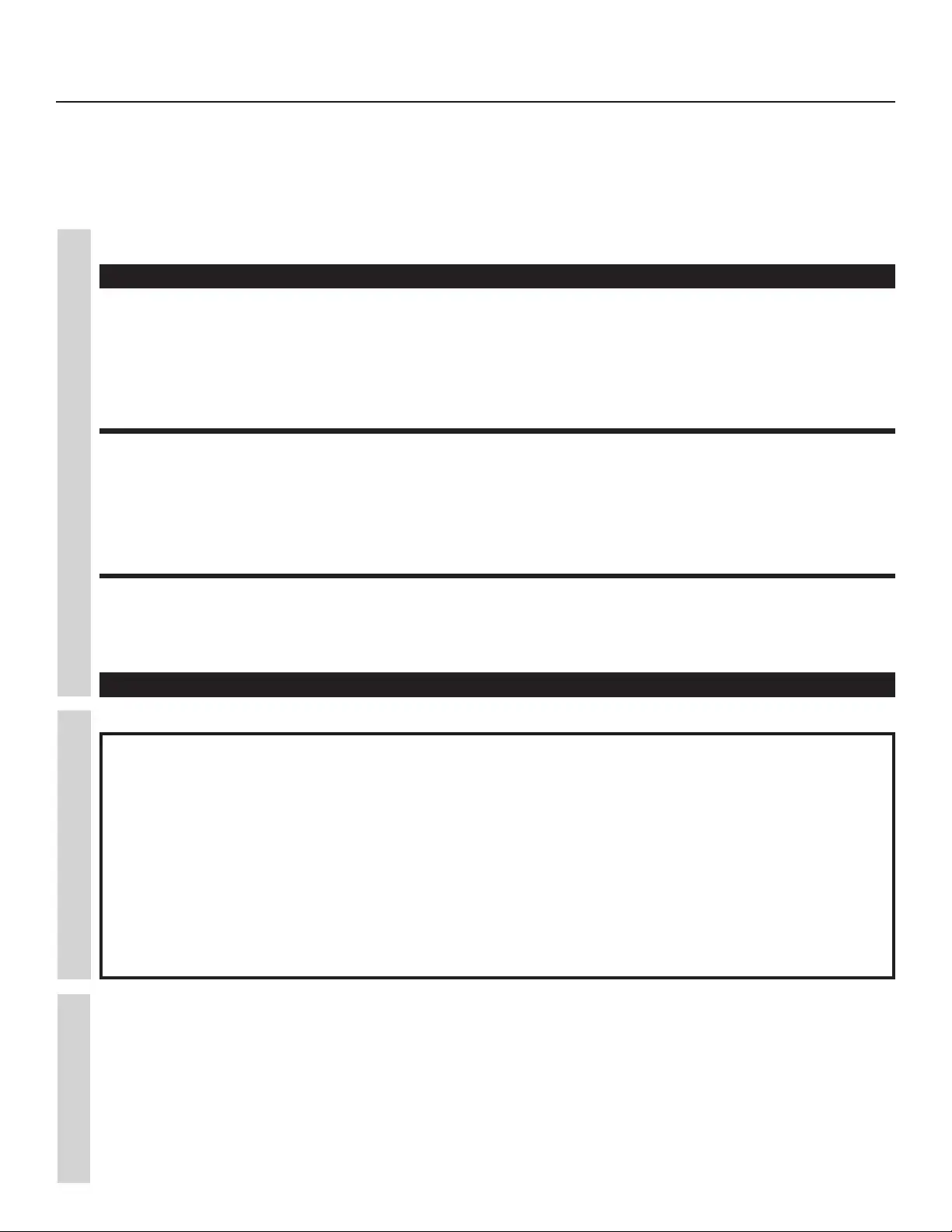
Credit Report Dispute Form
If you feel there are inaccuracies in your Credit Report, you must contact each of the three major credit reporting agencies in whose
report the information appears. Please complete this form and send to the addresses below (as applicable) along with two forms of ID:
one copy of a government-issued identification card (such as a driver’s license or a state or military ID card); and one copy of a utility
bill, bank or insurance statement.
Remember, there is no charge for submitting a dispute. And for your safety, do not include original copies of the documents you use to
support your dispute.
1.
Print the name and account number of the creditor in question in the Creditor Name/Account Number fields. Check off or clearly print the specific
reason for your dispute. (For additional disputes, enter the information on the back of this page.)
Creditor Name ______________________________________________ Account Number __________________________________________
Dispute Reason(s)
Not My Account Account Status Not Correct Late Payments
Paid in Full Identity Theft Incorrect Balance (Approx. Correct Balance) _________________
Other (Explain) _________________________________________________________________________________________________
Creditor Name ______________________________________________ Account Number __________________________________________
Dispute Reason(s)
Not My Account Account Status Not Correct Late Payments
Paid in Full Identity Theft Incorrect Balance (Approx. Correct Balance) _________________
Other (Explain) _________________________________________________________________________________________________
Enter Additional Information to be Corrected (For Example: Name, Address, Employer):
Clearly fill out all the information below, then sign the form where indicated.
2.
First Name____________________________ Middle ______________________________ Last_________________________________
Jr. ____ Sr. _____ Date of Birth (MM/DD/YYYY)_____________/________/ ________
Address _______________________________________________________________________________________________________
City ______________________________________________________________ State _____________ Zip ______________________
Previous Address (if moved within the past two years)______________________________________________________________________
City ______________________________________________________________ State _____________ Zip ______________________
Telephone Number __________________________________________________
Social Security Number (Necessary to Access Your Credit Reports)
□□□-□□-□□□□
Signature__________________________________________________________ Date________________________________________
Remember to make a copy for your records.
Mail the entire form to either TransUnion, Equifax or Experian, using the appropriate address listed below. To file online, you can enter one of the following
3.
Web addresses listed below in your browser window.
TransUnion:
TransUnion®, 2 Baldwin Place, P.O. Box 2000, Chester, PA 19022, or
http://annualcreditreport.transunion.com/entry/disputeonline
Equifax:
Equifax®, P.O. Box 740256, Atlanta, GA 30374, or
https://www.equifax.com/personal/credit-report-services/credit-dispute/
Experian:
Experian®, P.O. Box 9701, Allen, TX 75013, or
www.experian.com/rs/fi67.html
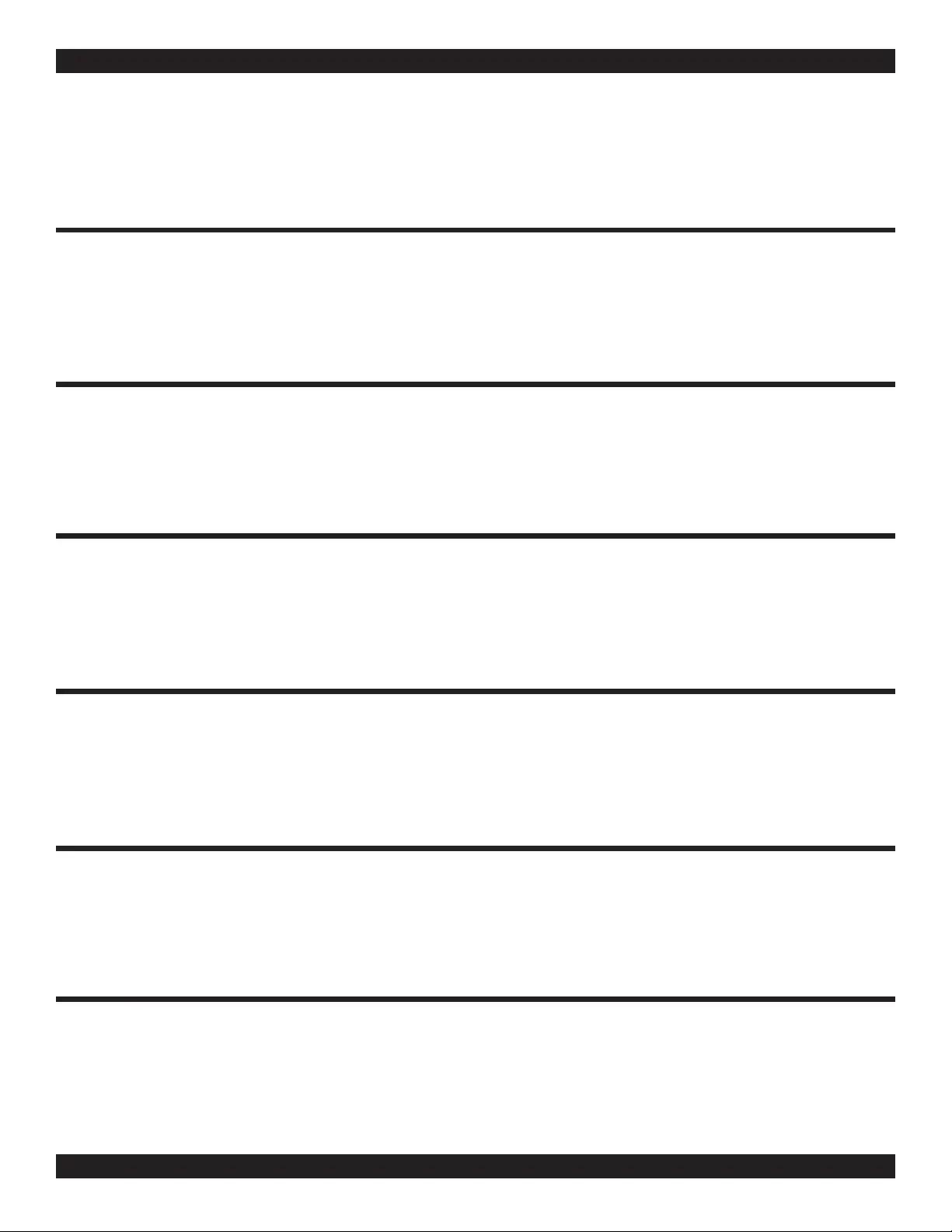
Creditor Name ________________________________________________ Account Number_______________________________________________
Dispute Reason(s)
Not My Account Account Status Not Correct Late Payments
Paid in Full Identity Theft Incorrect Balance (Approx. Correct Balance) ______________________
Other (Explain)________________________________________________________________________________________________________
Creditor Name ________________________________________________ Account Number_______________________________________________
Dispute Reason(s)
Not My Account Account Status Not Correct Late Payments
Paid in Full Identity Theft Incorrect Balance (Approx. Correct Balance) ______________________
Other (Explain)________________________________________________________________________________________________________
Creditor Name ________________________________________________ Account Number_______________________________________________
Dispute Reason(s)
Not My Account Account Status Not Correct Late Payments
Paid in Full Identity Theft Incorrect Balance (Approx. Correct Balance) ______________________
Other (Explain)________________________________________________________________________________________________________
Creditor Name ________________________________________________ Account Number_______________________________________________
Dispute Reason(s)
Not My Account Account Status Not Correct Late Payments
Paid in Full Identity Theft Incorrect Balance (Approx. Correct Balance) ______________________
Other (Explain)________________________________________________________________________________________________________
Creditor Name ________________________________________________ Account Number_______________________________________________
Dispute Reason(s)
Not My Account Account Status Not Correct Late Payments
Paid in Full Identity Theft Incorrect Balance (Approx. Correct Balance) ______________________
Other (Explain)________________________________________________________________________________________________________
Creditor Name ________________________________________________ Account Number_______________________________________________
Dispute Reason(s)
Not My Account Account Status Not Correct Late Payments
Paid in Full Identity Theft Incorrect Balance (Approx. Correct Balance) ______________________
Other (Explain)________________________________________________________________________________________________________
Creditor Name ________________________________________________ Account Number_______________________________________________
Dispute Reason(s)
Not My Account Account Status Not Correct Late Payments
Paid in Full Identity Theft Incorrect Balance (Approx. Correct Balance) ______________________
Other (Explain)________________________________________________________________________________________________________

Document Specifications

Fact Name Details
Purpose The Credit Report Dispute form is used to challenge inaccuracies on your credit report.
Who Can Use It Consumers who believe their credit report contains errors can file a dispute using this form.
Filing Process The form can typically be submitted online, by mail, or over the phone, depending on the credit reporting agency.
Required Information Personal identification details, a description of the dispute, and supporting documentation may be required.
Response Time Credit reporting agencies are generally required to investigate disputes within 30 days of receiving the form.
State-Specific Forms Some states have specific forms or additional requirements; check local regulations for details.
Governing Laws The Fair Credit Reporting Act (FCRA) governs the process of disputing errors on credit reports.
Impact on Credit Score Filing a dispute does not affect your credit score, but the outcome may influence it.
Documentation It’s important to keep copies of all documents submitted with your dispute for your records.
Follow-Up If the dispute is resolved in your favor, the credit reporting agency must provide you with an updated credit report.

Steps to Filling Out Credit Report Dispute

Once you have the Credit Report Dispute form in hand, it’s time to fill it out accurately. This process will help you address any inaccuracies in your credit report. Follow these steps to ensure your dispute is clear and effective.

  1. Start by entering your personal information at the top of the form. Include your full name, address, phone number, and email address.
  2. Next, provide your Social Security number. Be sure to double-check for accuracy.
  3. Identify the specific credit reporting agency you are disputing. This could be Equifax, Experian, or TransUnion. Make sure to select the correct agency.
  4. In the section designated for the dispute, clearly describe the item or items you believe are incorrect. Be specific about what the error is.
  5. Attach any supporting documents that back up your claim. This could include bank statements, payment records, or any other relevant paperwork.
  6. Sign and date the form at the bottom. This confirms that the information you provided is true to the best of your knowledge.
  7. Finally, make a copy of the completed form and all attached documents for your records before sending it to the credit reporting agency.

Once you’ve submitted your dispute, the credit reporting agency will investigate the matter. They typically have 30 days to respond. Keep an eye on your mail or email for updates regarding your dispute.

More About Credit Report Dispute

What is a Credit Report Dispute form?

A Credit Report Dispute form is a document you can use to challenge inaccuracies or errors on your credit report. If you notice incorrect information, such as wrong account details or outdated entries, this form helps you formally request a correction from the credit reporting agency.

How do I obtain a Credit Report Dispute form?

You can typically find the Credit Report Dispute form on the websites of major credit reporting agencies like Experian, TransUnion, and Equifax. They often provide an online version that you can fill out directly, or you can download a printable form if you prefer to submit it by mail.

What information do I need to provide on the form?

When filling out the form, include your personal information such as your name, address, and Social Security number. Clearly identify the specific items you are disputing and provide any supporting documentation that backs up your claim. This could include bank statements, letters, or any other relevant evidence.

How long does it take to resolve a dispute?

Once you submit your dispute, the credit reporting agency typically has 30 days to investigate. They will contact the creditor to verify the information. After the investigation, you should receive a response detailing the outcome of your dispute. If changes are made, you’ll get an updated credit report.

What happens if my dispute is not resolved in my favor?

If your dispute is not resolved in your favor, you have the right to add a statement to your credit report explaining your position. This statement will be included in your report, which can help potential lenders understand your side of the story when they review your credit history.

Can I dispute more than one item at a time?

Yes, you can dispute multiple items on the same form. However, it may be more effective to submit separate disputes for each item. This way, you can provide specific details and supporting documents for each issue, which can help ensure a thorough investigation.

Common mistakes

  1. Not Providing Sufficient Information: Many individuals fail to include all necessary details when filling out the dispute form. This can lead to delays or even rejection of the dispute. Always ensure that you include your full name, address, Social Security number, and any relevant account numbers.

  2. Using Vague Language: It's common for people to describe their disputes in a general way. Instead of saying "this is wrong," specify what is wrong and why. Clear and detailed explanations help the credit bureau understand the issue better.

  3. Neglecting to Include Supporting Documentation: Supporting documents can significantly strengthen your case. Failing to attach proof, such as payment receipts or correspondence with creditors, may weaken your dispute.

  4. Submitting Multiple Disputes for the Same Issue: Some individuals mistakenly submit several disputes for the same error. This can confuse the credit bureau and may result in delays. It’s best to consolidate your concerns into a single, comprehensive dispute.

  5. Ignoring Deadlines: Timeliness is crucial in the dispute process. Some people overlook the deadlines for submitting disputes. Always check the relevant timelines to ensure your dispute is filed promptly.

Documents used along the form

When disputing information on a credit report, several other forms and documents may be necessary to support your claim. These documents can help clarify your position and provide additional evidence to the credit reporting agency. Below is a list of commonly used forms and documents in conjunction with the Credit Report Dispute form.

  • Identity Theft Report: This document is essential if you believe your credit report contains fraudulent information due to identity theft. It serves as proof of the crime and helps in disputing inaccurate entries.
  • Proof of Identity: A government-issued ID, such as a driver's license or passport, is often required to verify your identity when submitting a dispute.
  • Account Statements: Providing recent statements from your bank or credit card accounts can help establish your case by showing discrepancies in reported balances or transactions.
  • Correspondence with Creditors: Any letters or emails exchanged with creditors regarding the disputed information can support your claim and demonstrate your efforts to resolve the issue.
  • Payment Receipts: If the dispute involves a payment that was made but not recorded, receipts can serve as evidence that the payment was completed.
  • Credit Monitoring Reports: Recent credit monitoring reports may provide a broader view of your credit history and highlight any inaccuracies that need to be addressed.
  • Affidavit of Dispute: This sworn statement outlines the details of your dispute and can add weight to your claim when submitted alongside the dispute form.

Gathering these documents can enhance the effectiveness of your dispute. Each piece of evidence plays a crucial role in building a strong case for correcting inaccuracies on your credit report.

Similar forms

The Credit Report Dispute form is similar to a Consumer Complaint form. Both documents allow individuals to voice concerns about inaccuracies or unfair treatment. A Consumer Complaint form typically addresses issues with products or services, while the Credit Report Dispute form focuses specifically on errors in credit reporting. Each form serves as a tool for consumers to seek resolution and ensure their rights are upheld.

Another document similar to the Credit Report Dispute form is the Identity Theft Affidavit. This affidavit is used when someone’s personal information has been misused, affecting their credit report. Like the dispute form, it requires detailed information about the fraudulent activity and aims to rectify the inaccuracies. Both documents empower consumers to take action against unauthorized actions that harm their credit standing.

The Fair Credit Reporting Act (FCRA) Request for Information is also akin to the Credit Report Dispute form. This request is made when a consumer seeks clarification on their credit report. While the dispute form challenges specific entries, the FCRA request focuses on obtaining more information about the report itself. Both documents are essential for consumers wanting to understand and correct their credit history.

The Request for Credit Report form shares similarities with the Credit Report Dispute form as well. This document is used to obtain a copy of one’s credit report, which is necessary before disputing any inaccuracies. Both forms are part of the process of managing one’s credit health, allowing consumers to stay informed and take necessary actions based on their findings.

Lastly, the Debt Validation Letter is comparable to the Credit Report Dispute form. When a consumer receives a collection notice, they can send a Debt Validation Letter to request proof of the debt. This letter serves to ensure that the debt is legitimate, much like how the dispute form ensures that the credit report is accurate. Both documents protect consumer rights and help maintain financial integrity.

Dos and Don'ts

When filling out a Credit Report Dispute form, it’s crucial to approach the process carefully to ensure your concerns are addressed effectively. Here’s a list of things you should and shouldn’t do:

  • Do: Gather all relevant documentation before starting your dispute.
  • Do: Clearly identify the items on your credit report that you believe are inaccurate.
  • Do: Provide a detailed explanation of why you believe the information is incorrect.
  • Do: Include copies of any supporting documents, such as payment records or correspondence.
  • Don't: Submit the form without double-checking for errors or missing information.
  • Don't: Use vague language; be specific about what you are disputing.
  • Don't: Forget to keep copies of everything you send for your records.
  • Don't: Assume that the dispute will be resolved quickly; allow time for processing.

By following these guidelines, you can improve the chances of a successful dispute and ensure your credit report accurately reflects your financial history.

Misconceptions

Understanding the Credit Report Dispute form is essential for anyone looking to correct inaccuracies in their credit report. However, several misconceptions can lead to confusion. Here are eight common misunderstandings about the form:

  1. The Credit Report Dispute form is only for major errors.

    Many people believe that only significant mistakes warrant a dispute. In reality, even minor inaccuracies can affect your credit score and should be corrected.

  2. You must pay a fee to file a dispute.

    This is false. Filing a dispute using the Credit Report Dispute form is free. Consumers are entitled to challenge errors without incurring any costs.

  3. Disputing an item guarantees its removal.

    While a dispute can lead to corrections, it does not guarantee that the disputed item will be removed. The credit reporting agency will investigate and make a determination based on the findings.

  4. You can only dispute items on your credit report once.

    This misconception suggests that a single dispute is all you get. In fact, if new errors appear or if the initial dispute does not resolve the issue, you can file additional disputes.

  5. All disputes take a long time to resolve.

    While some disputes may take longer than others, the Fair Credit Reporting Act mandates that credit bureaus investigate disputes within 30 days. Many disputes are resolved much quicker.

  6. You need a lawyer to file a dispute.

    This is not true. Individuals can file disputes on their own using the Credit Report Dispute form without needing legal assistance.

  7. Only lenders can dispute items on a credit report.

    Consumers have the right to dispute inaccuracies. It is not limited to lenders or financial institutions. Individuals should actively monitor their credit reports and take action when necessary.

  8. Once a dispute is filed, you cannot provide additional information.

    On the contrary, if you have more evidence or details to support your claim, you can submit that information during the dispute process.

By dispelling these misconceptions, individuals can better navigate the process of correcting their credit reports and ensure their financial health is accurately represented.

Key takeaways

When filling out and using a Credit Report Dispute form, it’s important to keep several key points in mind to ensure a smooth process. Here are some essential takeaways:

  • Understand the Purpose: The form is designed to address inaccuracies in your credit report. Make sure you know what specific errors you are disputing.
  • Gather Documentation: Collect any relevant documents that support your claim. This can include receipts, account statements, or correspondence with creditors.
  • Be Clear and Concise: Clearly explain the errors you are disputing. Use straightforward language and avoid unnecessary details that could confuse your case.
  • Include Your Personal Information: Make sure to provide accurate personal details, such as your name, address, and Social Security number, to help identify your credit report.
  • Send It to the Right Agency: Submit your dispute to the credit bureau that issued the report. Each bureau has its own process, so check their guidelines.
  • Follow Up: After submitting your dispute, monitor the status. Credit bureaus typically have 30 days to investigate and respond to your claim.

By keeping these points in mind, you can navigate the dispute process more effectively and work towards correcting any inaccuracies in your credit report.