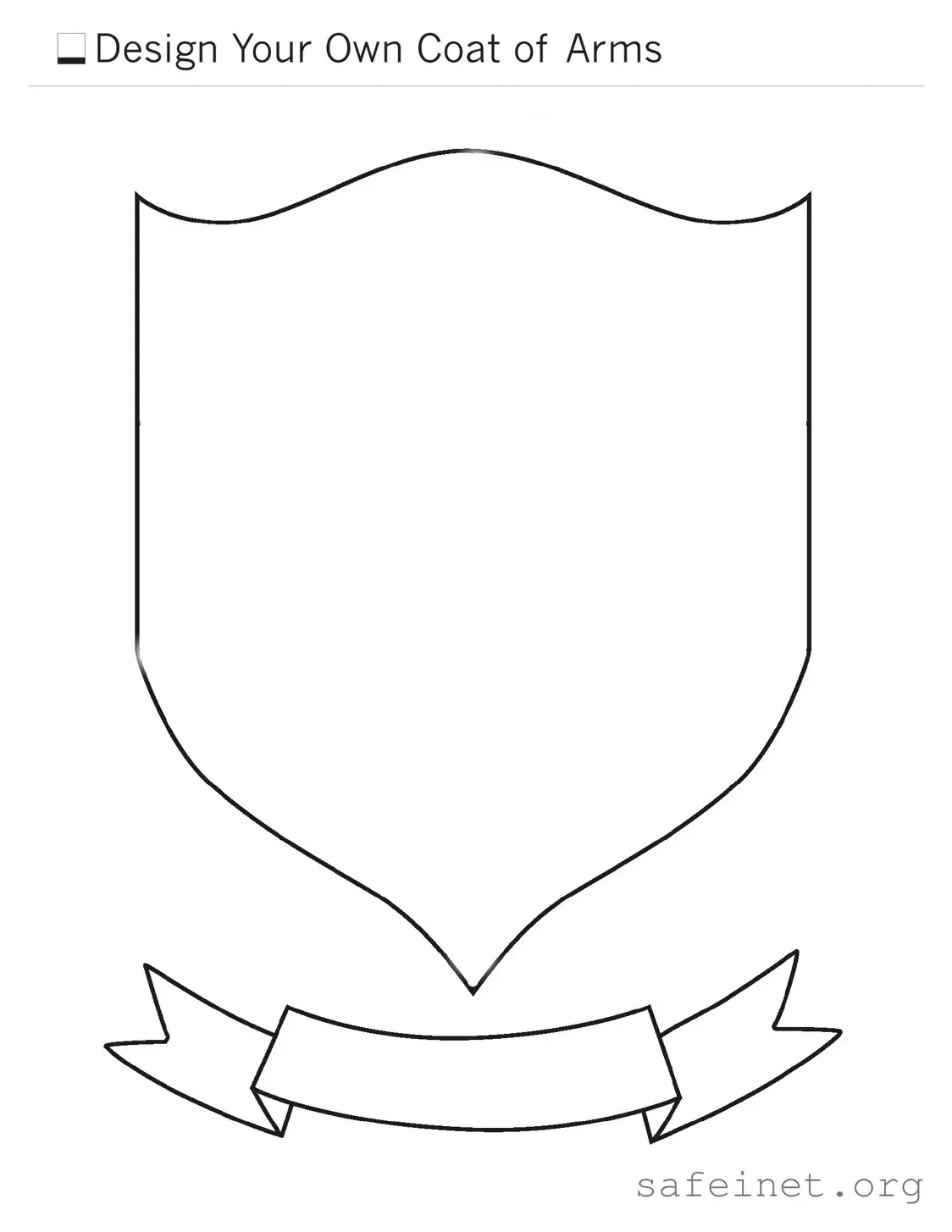
The Coat of Arms form serves as a vital document for individuals and organizations seeking to establish or register their heraldic symbols. This form is designed to capture essential information about the coat of arms, including the design elements, colors, and any associated motto or symbolism. Applicants will typically provide details about their lineage or the historical significance of the arms, ensuring that the representation is both meaningful and authentic. Additionally, the form may require supporting documentation, such as proof of ancestry or previous registrations, to validate the claims made. By outlining the specific components and guidelines for submission, the Coat of Arms form helps maintain the integrity of heraldry, allowing for a rich tapestry of personal and familial histories to be celebrated and recognized. Understanding the nuances of this form is crucial for anyone looking to navigate the process of heraldic registration successfully.
| Fact Name | Details |
|---|---|
| Definition | The Coat of Arms is a heraldic symbol that represents a person or family, often featuring a shield, supporters, and a motto. |
| Historical Significance | Coats of Arms originated in the Middle Ages, primarily used by knights to identify themselves in battle. |
| Design Elements | Common elements include a shield, crest, helmet, and various symbols that convey specific meanings. |
| State-Specific Forms | Each state may have its own version of a Coat of Arms, governed by state laws or regulations. |
| Governing Law (Example: California) | In California, the Coat of Arms is governed by the California Government Code Section 420. |
| Usage | Coats of Arms can be used for official documents, government buildings, and ceremonial purposes. |
| Registration | Individuals or organizations may register their own Coat of Arms through heraldic authorities in their respective regions. |
Filling out the Coat Of Arms form is an important step in the process of creating your own unique heraldic design. Follow these clear steps to ensure that you complete the form accurately and efficiently.
Once you have completed these steps, your form will be processed, and you will receive further instructions regarding the next stages in the creation of your coat of arms.
What is the Coat of Arms form?
The Coat of Arms form is a document used to request the creation or registration of a coat of arms. A coat of arms is a unique heraldic design on an escutcheon or shield or on a surcoat or tabard used to cover and protect armour. This form helps individuals or organizations establish their identity and heritage through a distinctive emblem.
Who can apply for a Coat of Arms?
Typically, individuals, families, or organizations with a historical or cultural connection to heraldry can apply for a coat of arms. This includes descendants of families that have historically held coats of arms or groups wanting to represent their organization with a unique symbol. It's essential to demonstrate a legitimate claim or purpose for the coat of arms.
What information do I need to provide on the form?
When filling out the Coat of Arms form, you will need to provide personal information, such as your name and contact details. Additionally, you may need to describe the design you wish to create, including colors, symbols, and any specific elements that represent your heritage or values. Be as detailed as possible to help the reviewing authority understand your vision.
Is there a fee associated with submitting the Coat of Arms form?
Yes, there is usually a fee for processing the Coat of Arms form. The amount can vary depending on the authority handling the application. It’s important to check the specific guidelines related to fees when submitting your form to ensure you include the correct payment.
How long does it take to get a response after submitting the form?
The processing time for the Coat of Arms form can vary. Generally, it may take several weeks to a few months to receive a response. Factors such as the complexity of your request and the volume of applications being processed can affect this timeline. Patience is key during this process.
What happens if my application is approved?
If your application for a coat of arms is approved, you will receive official documentation confirming your right to use the design. This may include a certificate and guidelines on how to properly display and use your coat of arms. You can then proudly represent your heritage with your new emblem!
When filling out the Coat of Arms form, it’s easy to overlook certain details. Here are five common mistakes that people often make:
Incomplete Information: Many applicants fail to provide all the required details. Missing information can delay the processing of your application.
Incorrect Descriptions: Some individuals struggle to accurately describe their desired coat of arms. Vague or confusing descriptions can lead to misunderstandings during the design process.
Ignoring Guidelines: Each form comes with specific guidelines. Ignoring these can result in an application that doesn’t meet the necessary criteria.
Not Proofreading: Typos and grammatical errors can change the meaning of your descriptions. A quick review can catch these mistakes before submission.
Failing to Seek Help: Some applicants hesitate to ask for assistance. If you’re unsure about any part of the form, reaching out for help can prevent errors.
By being aware of these common pitfalls, you can increase your chances of a smooth application process for your Coat of Arms.
The Coat of Arms form is an important document used to request the design or registration of a family or organizational coat of arms. This process often involves several other forms and documents that provide necessary information or support the application. Below is a list of related documents that may accompany the Coat of Arms form, each serving a specific purpose in the application process.
Each of these documents plays a crucial role in the overall application process for a coat of arms. Together, they help ensure that the application is thorough and meets all necessary requirements for approval. Submitting complete and accurate documentation can significantly enhance the chances of a successful registration.
The Coat of Arms form is similar to a birth certificate in that both documents serve as official records of identity. A birth certificate establishes a person's identity and lineage, while the Coat of Arms form represents a family's heritage and status. Both documents often require verification of information and may need to be presented in legal situations, such as applying for certain benefits or establishing familial connections.
An adoption certificate is another document comparable to the Coat of Arms form. Just as the Coat of Arms signifies a family's unique identity, an adoption certificate legally recognizes a child's new familial ties. Both documents symbolize belonging and heritage, highlighting the importance of family connections in personal identity.
A marriage certificate shares similarities with the Coat of Arms form, as both signify a formal union and the establishment of a new family identity. While the Coat of Arms may represent a family's lineage, a marriage certificate documents the joining of two individuals into a partnership. Both documents can play essential roles in legal matters, such as inheritance or property rights.
When filling out the Coat of Arms form, it's important to follow certain guidelines to ensure accuracy and completeness. Here are four things to do and four things to avoid:
Things You Should Do:
Things You Shouldn't Do:
Misconceptions about the Coat of Arms form can lead to confusion regarding its purpose and significance. Here are ten common misunderstandings:
Understanding these misconceptions can help individuals appreciate the rich history and significance of coats of arms in various contexts.
When filling out and using the Coat Of Arms form, there are several important points to keep in mind. Here are some key takeaways: