Homepage > Blank Cms 2728 U3 Template
Article Structure

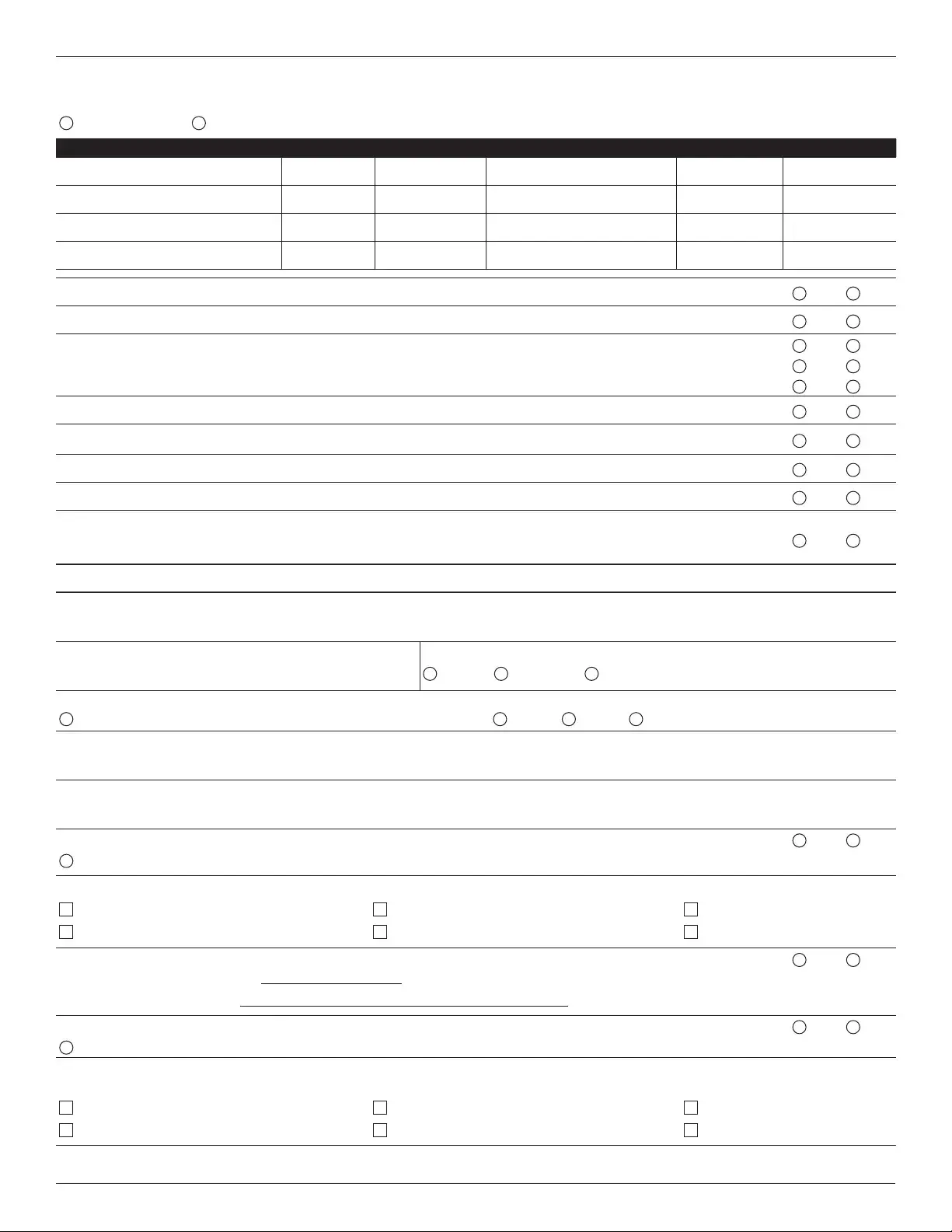
The CMS 2728 U3 form plays a crucial role in the healthcare system, particularly for patients facing end-stage renal disease (ESRD). This form is essential for establishing Medicare entitlement and patient registration, making it a key document for both patients and healthcare providers. It must be completed for all ESRD patients, whether they are new applicants or those seeking re-entitlement or supplemental benefits. The form collects vital information, including the patient’s name, Medicare Beneficiary Identifier, date of birth, and medical history. Additionally, it requires details about the patient's current medical coverage, height, weight, and primary cause of renal failure, which helps in determining eligibility for Medicare benefits. The CMS 2728 U3 also addresses the patient's employment status, co-morbid conditions, and prior treatments, ensuring a comprehensive overview of their health status. This thorough documentation is not only a requirement for Medicare but also a means to facilitate better care and support for patients navigating the complexities of ESRD treatment options.

Form Sample

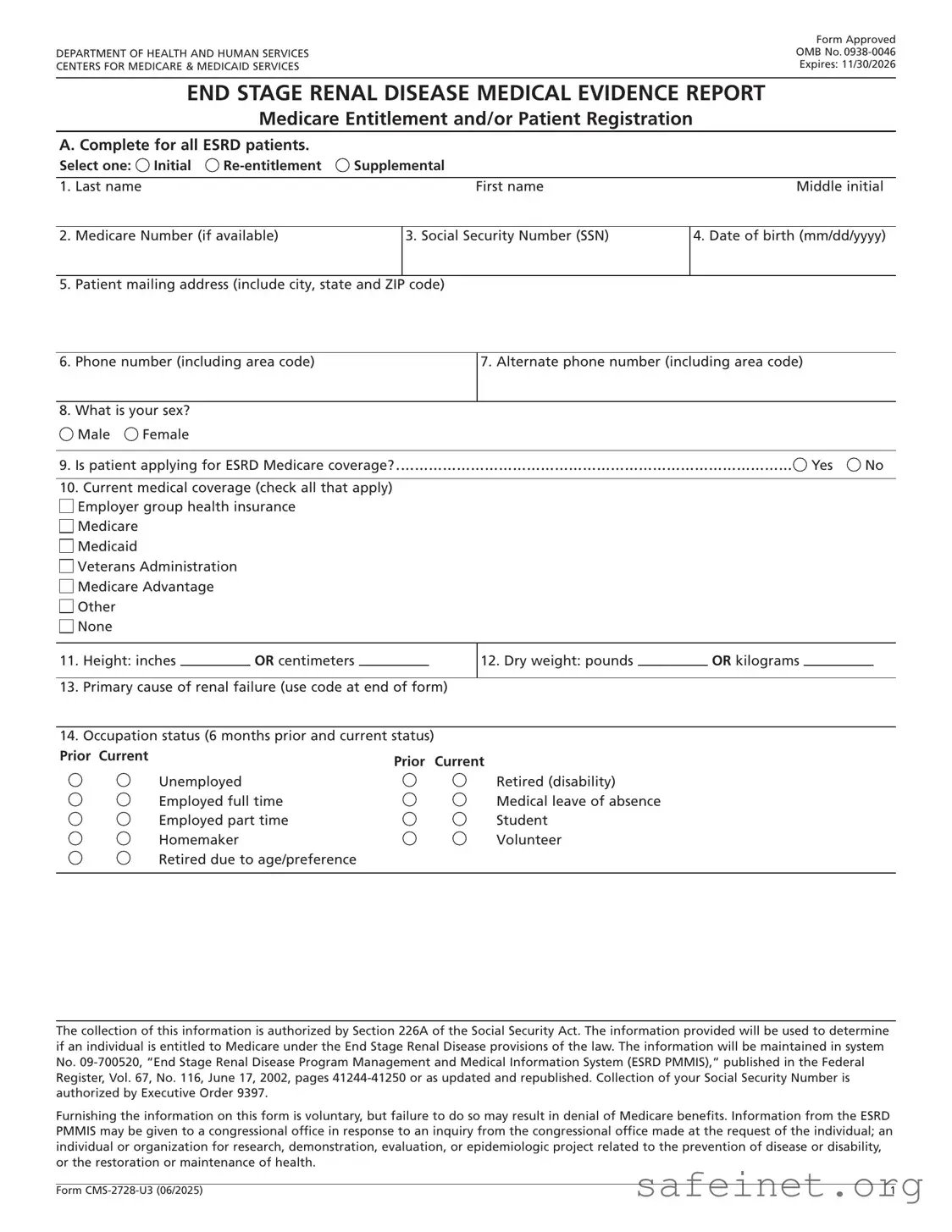
END STAGE RENAL DISEASE MEDICAL EVIDENCE REPORT
Medicare Entitlement and/or Patient Registration
A. Complete for all ESRD patients.
Select one:
Initial
Re-entitlement
Supplemental
1. Last name First name Middle initial
2. Medicare Number (if available) 3. Social Security Number (SSN) 4. Date of birth (mm/dd/yyyy)
5. Patient mailing address (include city, state and ZIP code)
6. Phone number (including area code) 7. Alternate phone number (including area code)
8. What is your sex?
Male
Female
9. Is patient applying for ESRD Medicare coverage?
.....................................................................................
Yes
No
10. Current medical coverage (check all that apply)
Employer group health insurance
Medicare
Medicaid
Veterans Administration
Medicare Advantage
Other
None
11. Height: inches
OR centimeters 12. Dry weight: pounds OR kilograms
13. Primary cause of renal failure (use code at end of form)
14. Occupation status (6 months prior and current status)
Form Approved
OMB No. 0938-0046
Expires: 11/30/2026
DEPARTMENT OF HEALTH AND HUMAN SERVICES
CENTERS FOR MEDICARE & MEDICAID SERVICES
The collection of this information is authorized by Section 226A of the Social Security Act. The information provided will be used to determine
if an individual is entitled to Medicare under the End Stage Renal Disease provisions of the law. The information will be maintained in system
No. 09-700520, “End Stage Renal Disease Program Management and Medical Information System (ESRD PMMIS),” published in the Federal
Register, Vol. 67, No. 116, June 17, 2002, pages 41244-41250 or as updated and republished. Collection of your Social Security Number is
authorized by Executive Order 9397.
Furnishing the information on this form is voluntary, but failure to do so may result in denial of Medicare benefits. Information from the ESRD
PMMIS may be given to a congressional office in response to an inquiry from the congressional office made at the request of the individual; an
individual or organization for research, demonstration, evaluation, or epidemiologic project related to the prevention of disease or disability,
or the restoration or maintenance of health.
Form CMS-2728-U3 (06/2025)
1
Prior Current
Retired (disability)
Medical leave of absence
Student
Volunteer
Prior
Current
Unemployed
Employed full time
Employed part time
Homemaker
Retired due to age/preference
Form CMS-2728-U3 (06/2025)
2
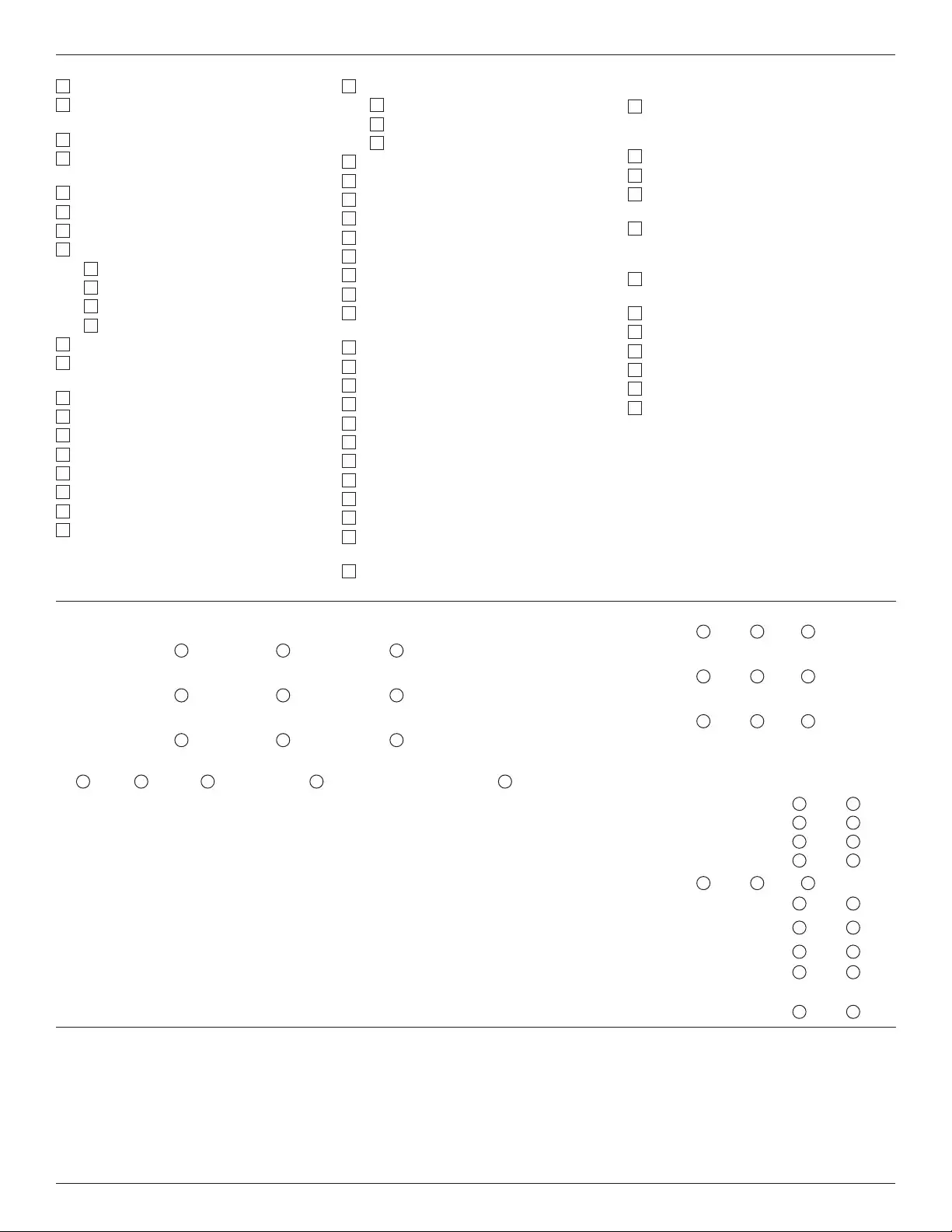
15. Co-morbid conditions (check all that apply currently and/or during last 10 years)
a. Congestive heart failure
b. Atherosclerotic heart disease
ASHD
c. Other cardiac disease
d. Cerebrovascular disease, CVA,
TIA*
e. Peripheral vascular disease*
f. History of hypertension
g. Amputation
h. Diabetes
Currently on insulin
Currently use other injectable
On oral medications
Without medications
i. Diabetic retinopathy
j. Chronic obstructive pulmonary
disease
k. Tobacco use (current smoker)
l.
Malignant neoplasm, cancer
m. Toxic nephropathy
n. Alcohol dependence
o. Drug dependence*
p. Inability to ambulate*
q. Inability to transfer*
r. Needs assistance with daily
activities*
s. Alternate housing arrangement:
Assisted living
Nursing home
Other institution
t. Non-renal congenital abnormality
u. None (no comorbidities)
v. Protein calorie malnutrition
w. Morbid obesity
x. Endocrine metabolic disorders
y. Intestinal obstruction/perforation
z. Chronic pancreatitis
aa. Inflammatory bowel disease
bb. Bone/joint/muscle infections/
necrosis
cc. Dementia
dd. Major depressive disorder
ee. Myasthenia gravis
ff. Guillain-Barre syndrome
gg. Inflammatory neuropathy
hh. Parkinson’s disease
ii. Huntington’s disease
jj. Seizure disorders and convulsions
kk. Interstitial lung disease
ll. Partial-thickness dermis wounds
mm. Complications of specified
implanted device or graft
nn. Artificial openings for feeding
or elimination
Consider for Pediatric Patients:
oo. Chronic lung disease (including
dependency on CPAP and
ventilators)
pp. Vision impairment
qq. Feeding tube dependence
rr. Failure to thrive/feeding
disorders
ss. Congenital anomalies requiring
subspecialty intervention (cardiac,
orthopedic, colorectal)
tt. Congenital bladder/urinary tract
anomalies
uu. Non-kidney solid organ
vv. Stem cell transplant
ww. Neurocognitive impairment
xx. Global developmental delay
yy. Cerebral palsy
zz. Seizure disorder
16. Prior to ESRD therapy:
a. Did patient receive exogenous erythropoetin or equivalent?
................................................
Yes
No
Unknown
If yes, answer:
<6 months 6-12 months >12 months
b. Was patient under routine care of a nephrologist? .............................................................
Yes
No
Unknown
If yes, answer:
<6 months 6-12 months >12 months
c. Was patient under routine care of kidney dietitian?
............................................................
Yes
No
Unknown
If yes, answer:
<6 months 6-12 months >12 months
d. What access was used on first outpatient dialysis:
AVF
Graft
PD catheter
Central venous catheter
Other
If not AVF, then: Is maturing AVF present?
..............................................................................................
Yes
No
Is graft present?
..................................................................................................................................
Yes
No
Was one lumen of the central venous catheter used and one needle placed in a AVF or graft? .....................
Yes
No
Is PD catheter present? .........................................................................................................................
Yes
No
e. Was patient diagnosed with an acute kidney injury in the last 12 months?
............................
Yes
No
Unknown
If yes, was dialysis required?
.................................................................................................................
Yes
No
f. Does the patient indicate they received and understood options for a home dialysis modality?
......................
Yes
No
g. Does the patient indicate they received and understood options for a kidney transplant?
............................
Yes
No
For living donor transplant
...................................................................................................................
Yes
No
h. Does the patient indicate they received and understood the option of not starting dialysis at all,
also called active medical management without dialysis?
..........................................................................
Yes
No
*Go to instructions
Form CMS-2728-U3 (06/2025)
3
B. Complete for all ESRD patients in dialysis treatment
26. Name of dialysis facility
27. CMS Certification Number (CCN) (for item 26) 28. Primary dialysis setting (select one)
Home
In-center
SNF/LTC*
29. Primary type of dialysis (select one)
Hemodialysis (sessions per week____/minutes per session____)
CAPD
CCPD
Other
30. Date regular chronic dialysis began (mm/dd/yyyy)
31. Date patient started chronic dialysis at current facility (mm/dd/yyyy)*
32. Does the patient understand kidney transplant options at the time of admission?*
...................................
Yes
No
N/A (if patient answered yes to question 16(g)
33. If patient NOT informed of transplant options (or does not understand transplant options) please check all that apply:
Patient found information overwhelming*
Patient declined information
Cognitive impairment*
Patient has not been assessed at this time
Patient has an absolute contraindication*
Other
34. Has the patient been connected to a transplant center with a referral?*
...................................................
Yes
No
Date of referral (mm/dd/yyyy):
Name of transplant center:
35. Does the patient understand home dialysis options at the time of admission?*..........................................
Yes
No
N/A (if patient answered yes to question 16(f)
36. If patient NOT informed of home dialysis options (or does not understand home dialysis options) please check all that
apply:
Patient found information overwhelming*
Patient declined information
Cognitive impairment*
Patient has not been assessed at this time
Patient has an absolute contraindication*
Other
17. Laboratory values within 45 days prior to the most recent ESRD episode. If not available within 30 days of admission to the
dialysis facility for ESRD treatment, admission laboratory values may be used. (HbA1c and LDL within 1 year of most recent
ESRD episode). (select one)
Prior lab values
Admission lab values
LABORATORY TEST VALUE DATE LABORATORY TEST VALUE DATE
a. Serum albumin g/dl ___.___ e. Hemoglobin g/dl ___.___
b. Serum albumin lower limit ___.___ f. HbA1c ___.___
c. Lab method used (BCG/BCP) ___.___ g. LDL ___.___
d. Serum creatinine mg/dl ___.___ h. Cystatin C ___.___
18. Does the patient have living will or medical/physician order for life sustaining treatment?
.........................
Yes
No
19. Are you currently concerned about where you will live over the next 90 days?
..........................................
Yes
No
20. Do you have caregiver support to assist with your daily care?
.................................................................
Yes
No
With home dialysis/kidney transplant?
......................................................................................................
Yes
No
Does the caregiver live with you?
.............................................................................................................
Yes
No
21. Do you have access to reliable transportation?
......................................................................................
Yes
No
22. Do you understand the information received to make an informed healthcare decision?
............................
Yes
No
23. Do you find it hard to pay for the very basics like housing, medical care, electricity, and heating?
...............
Yes
No
24. Within the past 12 months, has the food you bought not lasted and you didn’t have money to get more?
...
Yes
No
25. Has anyone, including family and friends, threatened you with harm or physically hurt you in the
last 12 months?
......................................................................................................................................
Yes
No
*Go to instructions
D. Complete for all ESRD self-dialysis training patients (Medicare applicants only)
47. Name of training provider
48. CMS Certification Number (CCN) of training provider (for item 47) 49. Date training began (mm/dd/yyyy)
50. Type of training
Hemodialysis (select one): a.
Home b.
In-center
CAPD
CCPD
Other
51. This patient is expected to complete (or has completed) training and will self-dialyze on a regular basis.
......
Yes
No
52. Date when patient completed, or is expected to complete, training (mm/dd/yyyy)
I certify that the above self-dialysis training information is correct and is based on consideration of all pertinent medical,
psychological, and sociological factors as reflected in records kept by this training facility.
53. Printed name and signature of physician personally familiar with the patient’s training
a. Printed name
b. Signature c. Date (mm/dd/yyyy)
54. NPI of physician (for item 53)
C. Complete for all kidney transplant patients
37. Date of transplant (mm/dd/yyyy)
38. Name of transplant hospital 39. CMS Certification Number (CCN) (for item 38)
Date patient was admitted as an inpatient to a hospital in preparation for, or anticipation of, a kidney transplant prior to the
date of actual transplantation.
40. Enter date (mm/dd/yyyy)
41. Name of preparation hospital 42. CMS Certification Number (CCN) (for item 41)
43. Current status of transplant (if functioning, skip items 45 and 46)
Functioning
Non-functioning
44. Type of transplant (select one)
Deceased donor
Living related
Living unrelated
Multi-organ
Paired exchange
45. If non-functioning, date of return to regular dialysis (mm/dd/yyyy)
46. Current dialysis setting (select one)
Home
In-center
SNF/LTC*
Transitional care unit*
Form CMS-2728-U3 (06/2025)
4
*Go to instructions
Form CMS-2728-U3 (06/2025)
5
G. Privacy statement
The collection of this information is authorized by Section 226A of the Social Security Act. The information provided will
be used to determine if an individual is entitled to Medicare under the End Stage Renal Disease provisions of the law. The
information will be maintained in system No. 09-700520, “End Stage Renal Disease Program Management and Medical
Information System (ESRD PMMIS)”, published in the Federal Register, Vol. 67, No. 116, June 17, 2002, pages 41244-41250 or
as updated and republished. Collection of your Social Security number is authorized by Executive Order 9397. Furnishing the
information on this form is voluntary, but failure to do so may result in denial of Medicare benefits. Information from the ESRD
PMMIS may be given to a congressional office in response to an inquiry from the congressional office made at the request of
the individual; an individual or organization for research, demonstration, evaluation, or epidemiologic project related to the
prevention of disease or disability, or the restoration or maintenance of health. Additional disclosures may be found in the
Federal Register notice cited above. You should be aware that P.L.100-503, the Computer Matching and Privacy Protection Act
of 1988, permits the government to verify information by way of computer matches.
According to the Paperwork Reduction Act of 1995, no persons are required to respond to a collection of information unless it displays a valid
OMB control number. The valid OMB control number for this information collection is 0938-0046 (Expires 11/30/2026). This is a mandatory to
obtain a benefit ESRD Medicare information collection. The time required to complete this information collection is estimated to average
1 hour per response, including the time to review instructions, search existing data resources, gather the data needed, and complete and
review the information collection. If you have comments concerning the accuracy of the time estimate(s) or suggestions for improving this
form, please write to: CMS, 7500 Security Boulevard, Attn: PRA Reports Clearance Officer, Mail Stop C4-26-05, Baltimore, Maryland 21244-1850.
****CMS Disclosure**** Please do not send applications, claims, payments, medical records or any documents containing sensitive information
to the PRA Reports Clearance Office. Please note that any correspondence not pertaining to the information collection burden approved
under the associated OMB control number listed on this form will not be reviewed, forwarded, or retained. If you have questions or concerns
regarding where to submit your documents, please contact the ESRD Network in your region.
F. Obtain signature from patient
I hereby authorize any physician, hospital, agency, or other organization to disclose any medical records or other information
about my medical condition to the Department of Health and Human Services for purposes of reviewing my application for
Medicare entitlement under the Social Security Act and/or for scientific research.
63. Signature of patient (signature by mark must be witnessed.) 64. Date (mm/dd/yyyy)
If patient unable to sign/mark: (select one)
Lost to follow-up
Moved out of the United States and territories
Expired date (mm/dd/yyyy)
E. Physician Identification
55. Attending physician (print)
56. Physician’s phone number (include area code) 57. NPI of physician
Physician attestation
I certify, under penalty of perjury, that the information on this form is correct to the best of my knowledge and belief. Based
on diagnostic tests and laboratory findings, I further certify that this patient has reached the stage of renal impairment
that appears irreversible and permanent and requires a regular course of dialysis or kidney transplant to maintain life. I
understand that this information is intended for use in establishing the patient’s entitlement to Medicare benefits and that
any falsification, misrepresentation, or concealment of essential information may subject me to fine, imprisonment, civil
penalty, or other civil sanctions under applicable Federal laws.
58. Attending physician’s signature of attestation (same as item 55) 59. Date (mm/dd/yyyy)
60. Physician recertification signature
61. Date (mm/dd/yyyy)
62. Remarks
LIST OF PRIMARY CAUSES OF RENAL DISEASE
Item 17. Primary cause of renal failure should be completed by the attending physician from the list below. Enter the
ICD-10-CM code to indicate the primary cause of end stage renal disease. If there are several probable causes of renal failure,
choose one as primary. An ICD-10-CM code is effective as of February 1, 2022.
Diabetes
E10.22 Type 1 diabetes mellitus with diabetic chronic
kidney disease
E10.29 Type 1 diabetes mellitus with other diabetic
kidney complication
E11.21 Type 2 diabetes mellitus with diabetic
nephropathy
E11.22 Type 2 diabetes mellitus with diabetic chronic
kidney disease
E11.29 Type 2 diabetes mellitus with other diabetic
kidney complication
Glomerulonephritis
N00.8 Acute nephritic syndrome with other
morphologic changes
N01.9 Rapidly progressive nephritic syndrome with
unspecified morphologic changes
N02.8 Recurrent and persistent hematuria with other
morphologic changes
N03.0 Chronic nephritic syndrome with minor
glomerular abnormality
N03.1 Chronic nephritic syndrome with focal and
segmental glomerular lesions
N03.2 Chronic nephritic syndrome with diffuse
membranous glomerulonephritis
N03.3 Chronic nephritic syndrome with diffuse
mesangial proliferative glomerulonephritis
N03.4 Chronic nephritic syndrome with diffuse
endocapillary proliferative glomerulonephritis
N03.5 Chronic nephritic syndrome with diffuse
mesangiocapillary glomerulonephritis
N03.6 Chronic nephritic syndrome with dense deposit
disease
N03.7 Chronic nephritic syndrome with diffuse
crescentic glomerulonephritis
N03.8 Chronic nephritic syndrome with other
morphologic changes
N03.9 Chronic nephritic syndrome with unspecified
morphologic changes
N04.0 Nephrotic syndrome with minor glomerular
abnormality
N04.1 Nephrotic syndrome with focal and segmental
glomerular lesions
N04.2 Nephrotic syndrome with diffuse membranous
glomerulonephritis
N04.3 Nephrotic syndrome with diffuse mesangial
proliferative glomerulonephritis
N04.4 Nephrotic syndrome with diffuse endocapillary
proliferative glomerulonephritis
N04.5 Nephrotic syndrome with diffuse
mesangiocapillary glomerulonephritis
N04.6 Nephrotic syndrome with dense deposit disease
N04.7 Nephrotic syndrome with diffuse crescentic
glomerulonephritis
N04.8 Nephrotic syndrome with other morphologic
changes
N04.9 Nephrotic syndrome with unspecified
morphologic changes
N05.9 Unspecified nephritic syndrome with unspecified
morphologic changes
N07.0 Hereditary nephropathy, not elsewhere classified
with minor glomerular abnormality
Interstitial nephritis/pyelonephritis
N10 Acute tubulo-interstitial nephritis
N11.9 Chronic tubulo-interstitial nephritis, unspecified
N13.70 Vesicoureteral-reflux, unspecified
N13.8 Other obstructive and reflux uropathy 2
Transplant complications
T86.00 Unspecified complication of bone marrow
transplant
T86.10 Unspecified complication of kidney transplant
T86.20 Unspecified complication of heart transplant
T86.40 Unspecified complication of liver transplant
T86.819 Unspecified complication of lung transplant
T86.859 Unspecified complication of intestine transplant
T86.899 Unspecified complication of other transplanted
tissue
Hypertension/large vessel disease
I12.0 Hypertensive chronic kidney disease with stage 5
chronic kidney disease or end stage renal disease
I12.9 Hypertensive chronic kidney disease with stage
1through stage 4 chronic kidney disease, or
unspecified chronic kidney disease
I15.0 Renovascular hypertension
I15.8 Other secondary hypertension
I75.81 Atheroembolism of kidney
Cystic/hereditary/congenital/other diseases
E72.04 Cystinosis
E72.53 Hyperoxaluria
E75.21 Fabry (Anderson) disease
N07.8 Hereditary nephropathy, not elsewhere classified
with other morphologic lesions
N31.9 Neuromuscular dysfunction of bladder,
unspecified
Q56.0 Hermaphroditism, not elsewhere classified
Q60.2 Renal agenesis, unspecified
Q61.19 Other polycystic kidney, infantile type
Q61.2 Polycystic kidney, adult type
Q61.4 Renal dysplasia
Q61.5 Medullary cystic kidney
Form CMS-2728-U3 (06/2025) 6
Form CMS-2728-U3 (06/2025)
7
Q61.8 Other cystic kidney diseases
Q62.11 Congenital occlusion of ureteropelvic junction
Q62.12 Congenital occlusion of ureterovesical orifice
Q63.8 Other specified congenital malformation of kidney
Q64.2 Congenital posterior urethral valves
Q79.4 Prune belly syndrome
Q85.1 Tuberous sclerosis
Q86.8 Other congenital malformation syndromes due to
known exogenous causes
Q87.1 Congenital malformation syndromes predominantly
associated with short stature
Q87.81 Alport syndrome
Neoplasms/tumors
C64.9 Malignant neoplasm of unspecified kidney, except
renal pelvis
C80.1 Malignant (primary) neoplasm, unspecified
C85.93 Non-Hodgkin lymphoma, unspecified, intra-abdominal
lymph nodes
C88.2 Heavy chain disease
C90.00 Multiple myeloma not having achieved remission
D30.9 Benign neoplasm of urinary organ, unspecified
D41.9 Neoplasm of uncertain behavior of unspecified urinary
organ
E85.9 Amyloidosis, unspecified
N05.8 Unspecified nephritic syndrome with other
morphologic changes
Disorders of mineral metabolism
E83.52 Hypercalcemia
Secondary glomerulonephritis/vasculitis
D59.3 Hemolytic-uremic syndrome
D69.0 Allergic purpura
I77.89 Other specified disorders of arteries and arterioles
M31.0 Hypersensitivity angiitis
M31.1 Thrombotic microangiopathy
M31.31 Wegener’s granulomatosis with renal involvement
M31.7 Microscopic polyangiitis
M32.0 Drug-induced systemic lupus erythematosus
M32.10 Systemic lupus erythematosus, organ or system
involvement unspecified
M32.14 Glomerular disease in systemic lupus erythematosus
M32.15 Tubulo-interstitial nephropathy in systemic lupus
erythematosus
M34.89 Other systemic sclerosis
Genitourinary system
A18.10 Tuberculosis of genitourinary system, unspecified
N28.9 Disorder of kidney and ureter, unspecified
Acute kidney failure
N17.0 Acute kidney failure with tubular necrosis
N17.1 Acute kidney failure with acute cortical necrosis
N17.9 Acute kidney failure, unspecified
Miscellaneous conditions
B20 Human immunodeficiency virus [HIV] disease
D57.1 Sickle-cell disease without crisis
D57.3 Sickle cell trait
I50.9 Heart failure, unspecified
K76.7 Hepatorenal syndrome
M10.30 Gout due to renal impairment, unspecified site
N14.0 Analgesic nephropathy
N14.1 Nephropathy induced by other drugs,
medicaments and biological substances
N14.3 Nephropathy induced by heavy metals
N20.0 Calculus of kidney
N25.89 Other disorders resulting from impaired renal
tubular function
N26.9 Renal sclerosis, unspecified
N28.0 Ischemia and infarction of kidney
N28.89 Other specified disorders of kidney and ureter
O90.4 Postpartum acute kidney failure
S37.009A Unspecified injury of unspecified kidney, initial
encounter
Z90.5 Acquired absence of kidney
U07.1 COVID19
INSTRUCTIONS FOR COMPLETION OF END STAGE RENAL DISEASE MEDICAL EVIDENCE REPORT
MEDICARE ENTITLEMENT AND/OR PATIENT REGISTRATION
Submission of CMS-2728 form:
To the applicant: Forward a hard, fax, or email copy of this form with signatures to the Social Security office in your area.
To the dialysis facility: Complete this form in the ESRD Quality Reporting System (EQRS) and print. Provide the applicant
with a copy of the form and/or assist them in submitting the form to the appropriate Social Security office.
For whom should this form be completed:
This form SHOULD NOT be completed for those patients who are in acute renal failure. Acute renal failure is a condition in
which kidney function can be expected to recover after a short period of dialysis, i.e., several weeks or months.
This form MUST BE completed within 45 days for ALL patients beginning any of the following: Fill in the appropriate circle that
identifies the reason for submission of this form.
Initial
For all patients who initially receive a kidney transplant instead of a course of dialysis.
For patients for whom a regular course of dialysis has been prescribed by a physician because they have reached that stage
of renal impairment that a kidney transplant or regular course of dialysis is necessary to maintain life. The first date of a
regular course of dialysis is the date this prescription is implemented whether as an inpatient of a hospital, an outpatient
in a dialysis center or facility, or a home patient. The form should be completed for all patients in this category even if the
patient dies within this time period.
Re-entitlement
For beneficiaries who have already been entitled to ESRD Medicare benefits and those benefits were terminated because
their coverage stopped 3 years post-transplant but now are again applying for Medicare ESRD benefits because they
returned to dialysis or received another kidney transplant.
For beneficiaries who stopped dialysis for more than 12 months, have had their Medicare ESRD benefits terminated and
now returned to dialysis or received a kidney transplant. These patients will be reapplying for Medicare ESRD benefits.
Supplemental
Patient has received a transplant or trained for self-care dialysis within the first 3 months of the first date of dialysis and
initial form was submitted.
All items except as follows: To be completed by the attending physician, head nurse, or social worker involved in this patient’s
treatment of renal disease.
Items 13, 15–16, 32–36, 58–59: To be completed by the attending physician.
Item 53: To be signed by the attending physician or the physician familiar with the patient’s self-care dialysis training
Items 63 and 64: To be signed and dated by the patient.
1. Enter the patient’s legal name (Last, first, middle initial). Name should appear exactly the same as it appears on patient’s
Social Security or Medicare card.
2. If the patient is covered by Medicare, enter his/her/their Medicare Beneficiary Identifier (Medicare Number) as it appears
on his/her/their Medicare card.
3. Enter the Social Security Number as it appears on his/her/their Social Security card. If the patient voices concern explain this
is necessary to correctly match the patient so benefits can be assigned.
4. Enter patient’s date of birth (2-digit month, day, and 4-digit year). Example 07/25/1950.
5. Enter the patient’s mailing address (number and street or post office box number, city, state, and ZIP Code.)
6. Enter the patient’s area code and telephone number.
7. Enter the patient’s alternate area code and telephone number, if available for disaster purposes.
8. Ask the patient and select the appropriate option to identify their sex.
Form CMS-2728-U3 (06/2025) 8
Form CMS-2728-U3 (06/2025)
9
9. Select yes or no to indicate if patient is applying for ESRD Medicare. NOTE: Even though a person may already be entitled
to general Medicare coverage, he/she should reapply for ESRD Medicare coverage. Additionally, if the patient has private
insurance beginning dialysis starts the 30-month coordination of benefits period. If the patient doesn’t accept Medicare
Part B during the 30-month window, they may lose the ability to apply until the General Enrollment Period (GEP) and will
likely face gaps in coverage and a late enrollment penalty.
10. Check all the blocks that apply to this patient’s current medical insurance status.
Employer group health insurance: Patient receives medical benefits through an employee health plan that covers
employees, former employees, or the families of employees or former employees.
Medicare: Patient is currently entitled to Federal Medicare benefits.
Medicaid: Patient is currently receiving State Medicaid benefits.
Veterans Administration: Patient is receiving medical care from a Department of Veterans Affairs facility.
Medicare Advantage: Patient is receiving medical benefits under a Medicare Advantage (Medicare Part A and Part B
coverage offered by Medicare-approved private companies that must follow rules set by Medicare) organization.
Other medical insurance: Patient is receiving medical benefits under a health insurance plan that is not Medicare,
Medicaid, Department of Veterans Affairs, Medicare Advantage, nor an employer group health insurance plan.
Examples of other medical insurance are Railroad Retirement and CHAMPUS beneficiaries or that obtains insurance
through the Marketplace.
None: Patient has no medical insurance plan.
11. Enter the patient’s most recent recorded height in inches OR centimeters at time form is being completed. If entering
height in centimeters, round to the nearest centimeter. Estimate or use last known height for those unable to be
measured. (Example of inches: 62. DO NOT PUT 5’2”) NOTE: For amputee patients, enter height prior to amputation.
12. Enter the patient’s most recent recorded dry weight in pounds OR kilograms at time form is being completed. If entering
weight in kilograms, round to the nearest kilogram. NOTE: For amputee patients, enter actual dry weight without
prosthesis.
13. Primary Cause of Renal Failure should be determined by the attending physician using the appropriate ICD-10-CM code.
Enter the ICD-10-CM code from page 4 or 6 of form to indicate the primary cause of end stage renal disease. If there are
several probable causes of renal failure, choose one as primary. An ICD-10-CM code is effective as of February 1, 2022.
These are the only acceptable causes of end stage renal disease.
14. Select the first option to indicate occupation 6 months prior to renal failure and the second option to indicate current
occupation. Select only one option for each time period. If patient is under 6 years of age, leave blank.
15. This section was broadened to be more inclusive of pediatric patients. I and J were intentionally not used in the lettering
to accommodate previous system comorbidities and provide lettering continuity.
To be completed by the attending physician. Check all co-morbid conditions that apply.
Cerebrovascular disease includes history of stroke/ cerebrovascular accident (CVA) and transient ischemic attack (TIA).
Peripheral vascular disease includes absent foot pulses, prior typical claudication, amputations for vascular disease,
gangrene and aortic aneurysm.
Drug dependence means dependent on illicit drugs.
Inability to ambulate includes an impairment(s) that interferes very seriously with the individual’s ability to
independently initiate or sustain ambulation
Inability to transfer from bed to chair, or chair to chair, or chair to bed
Needs assistance with daily activities including basic physical needs, comprised the following areas: grooming/personal
hygiene, dressing, toileting/continence, and eating
The section titled “Consider for Pediatric Patients” should only be used for pediatric patients.
16. Prior to ESRD therapy, select the appropriate option to indicate whether the patient:
a. received Exogenous erythropoietin (EPO) or equivalent,
b. was under the routine care of a nephrologist
c. was under the routine care of a kidney dietitian
d. provide vascular access information as to the type of access used for the majority of the treatment (Arterio-Venous
Fistula (AVF), graft, peritoneal dialysis (PD) catheter, or Central Venous Catheter (including port device) or other type of
access) when the patient first received outpatient dialysis. If an AVF access was not used, was a AVF or graft present?
Was one lumen of the Central Venous Catheter used and one need placed in a AVF or graft?
e. Indicate if the patient experienced acute renal failure (the sudden inability for the kidney to filter waste products which
may resolve or evolve to ESRD) and if dialysis was required.
f. Indicate the patient received and understood options for a home dialysis modality.
g. Indicate if the patient received and understood options for a kidney transplant. For living donor transplant.
h. Indicate if the patient received and understood the option of not starting dialysis at all, also called active medical
Form CMS-2728-U3 (06/2025)
10
NOTE: For those patients re-entering the Medicare program after benefits were terminated, items in question 17 should
contain initial laboratory values within 45 days prior to the most recent ESRD episode (item 31). If a dialysis facility is
unable to obtain the laboratory values from the appropriate care setting within 30 days, the dialysis facility may use
admission laboratory values drawn prior to initiating the first treatment at the facility LDL and HbA1c should be within
1 year of the most recent ESRD episode (item 31). These tests may not be required for patients under 21 years of age
(LDL or HbA1c unless the child is a diabetic).
17.
a. Serum albumin value (g/dl) and date test was taken. This value and date must be within 45 days prior to first dialysis
treatment or kidney transplant. If a dialysis facility is unable to obtain the laboratory values from the appropriate
care setting within 30 days, the dialysis facility may use admission laboratory values drawn prior to initiating the first
treatment at the facility.
b. Enter the lower limit of the normal range for serum albumin from the laboratory which performed the serum albumin
test entered in serum albumin.
c. Enter the serum albumin lab method used (BCG or BCP).
d. Enter the serum creatinine value (mg/dl) and date test was taken. THIS FIELD MUST BE COMPLETED. Value must
be within 45 days prior to first dialysis treatment or kidney transplant. If a dialysis facility is unable to obtain the
laboratory values from the appropriate care setting within 30 days, the dialysis facility may use admission laboratory
values drawn prior to initiating the first treatment at the facility.
e. Enter the hemoglobin value (g/dl) and date test was taken. This value and date must be within 45 days prior to
the first dialysis treatment or kidney transplant. If a dialysis facility is unable to obtain the laboratory values from
the appropriate care setting within 30 days, the dialysis facility may use admission laboratory values drawn prior to
initiating the first treatment at the facility.
f. Enter the HbA1c value and the date the test was taken. The date must be within 1 year prior to the first dialysis
treatment or kidney transplant.
g. Enter the LDL value with date test was taken. The date must be within 1 year prior to the first dialysis treatment or
kidney transplant.
h. Cystatin C value (mg/l) and date test was taken. This value and date must be within 45 days prior to first dialysis
treatment or kidney transplant.
18. Ask the patient and document if they have executed a living will or a medical/physician order for life sustaining treatment
19. Ask the patient if they have concerns about where they will live over the next 90 days.
20. Ask the patient if they have caregiver support to assist with daily care. Daily care means actives of daily living, bathing,
dressing, etc. Ask the patient if they have a caregiver to assist with home dialysis or a kidney transplant. Ask the patient if
the caregiver lives with them.
21. Ask the patient if they have access to reliable transportation. Reliable transportation means the patient can travel to all
dialysis treatments, medical appointments, grocery store, pharmacy, etc. without issue.
22. Ask the patient if they understand the information received to make an informed healthcare decision.
23. Ask the patient if they find it hard to pay for the very basics like housing, medical care, electricity, and heating.
24. Ask the patient if the food they bought has not lasted and they didn’t have money to get more in the last 12 months.
25. Ask the patient if anyone, including family and friends, has threatened them with harm or physically hurt you in the last
12 months.
26. Enter the name of the dialysis facility where this patient is currently receiving care and who is completing this form for
the patient.
27. Enter the 6-digit CMS Certification Number (CCN) of the dialysis facility in item 26.
28. If the person is receiving a regular course of dialysis treatment, check the appropriate anticipated long-term treatment
setting at the time this form is being completed.
SNF/LTC: Check this box only if a patient is residing in a Medicare certified skilled nursing facility and/or long-term care
facility and receiving dialysis within the nursing facility. Dialysis may be performed by patient, family, nursing facility
staff, or home dialysis staff, but the patient is not transported outside the facility to receive dialysis.
Note: Transitional care unit is not included in item 28 as it is not anticipated that it will become the long-term
treatment center. It is included in item 46 because it can be a current setting when a transplant rejection occurs.
29. If the patient is, or was, on regular dialysis, check the anticipated long-term primary type of dialysis: Hemodialysis, (enter
the number of sessions prescribed per week and the minutes that were prescribed for each session), CAPD (Continuous
Ambulatory Peritoneal Dialysis) and CCPD (Continuous Cycling Peritoneal Dialysis), or Other. Select only one option.
Note: Other has been placed on this form to be used only to report IPD (Intermittent Peritoneal Dialysis) and any new
method of dialysis that may be developed prior to the renewal of this form by Office of Management and Budget.

Document Specifications

Fact Name Fact Description
Purpose The CMS 2728 U3 form is used to report medical evidence for patients with End Stage Renal Disease (ESRD) seeking Medicare benefits.
Submission Timeline This form must be completed within 45 days of the patient's first dialysis treatment or kidney transplant.
Patient Information It collects essential details such as the patient's name, Medicare Beneficiary Identifier, date of birth, and contact information.
Co-Morbid Conditions The form includes a section to check for co-morbid conditions that may affect the patient's treatment.
Types of Dialysis It allows patients to specify their primary type of dialysis, whether it's home dialysis or facility-based.
Governing Law This form is governed by the Social Security Act and related Medicare regulations.
Privacy Statement The form includes a privacy statement outlining how the collected information will be used and protected.
Signature Requirement Both the patient and the attending physician must sign the form to verify the information provided.

Steps to Filling Out Cms 2728 U3

Completing the CMS 2728 U3 form is a necessary step for patients seeking Medicare coverage due to end-stage renal disease. This form gathers essential information about the patient’s medical history, treatment, and current status. Following these steps will ensure that the form is filled out accurately and completely.

  1. Enter the patient’s legal name in the format of Last, First, Middle Initial.
  2. If applicable, provide the Medicare Beneficiary Identifier. If not available, use the Social Security Number.
  3. Input the patient’s date of birth in the format mm/dd/yyyy.
  4. Fill in the patient’s mailing address, including city, state, and ZIP code.
  5. Provide the patient’s phone number, including the area code.
  6. Select the appropriate box to indicate the patient’s sex.
  7. Choose the correct option for the patient’s ethnicity.
  8. Complete the country/area of origin or ancestry if available.
  9. Select all applicable boxes to indicate the patient’s race.
  10. Indicate whether the patient is applying for ESRD Medicare coverage by selecting yes or no.
  11. Check all current medical coverage options that apply to the patient.
  12. Record the patient’s height and dry weight in the appropriate units.
  13. Specify the primary cause of renal failure using the code from the back of the form.
  14. Indicate the patient’s employment status for the past six months.
  15. Check all co-morbid conditions that apply to the patient, both currently and in the past ten years.
  16. Answer the questions regarding prior ESRD therapy and provide details as required.
  17. List laboratory values from within 45 days prior to the most recent ESRD episode.
  18. Complete sections specific to dialysis treatment, kidney transplant, or self-dialysis training as applicable.
  19. Obtain the printed name and signature of the physician familiar with the patient’s treatment.
  20. Ensure the patient signs and dates the authorization section.

More About Cms 2728 U3

What is the CMS 2728 U3 form?

The CMS 2728 U3 form is a medical evidence report used to determine Medicare entitlement for patients with End Stage Renal Disease (ESRD). It collects essential patient information, including demographics, medical history, and treatment details, to assess eligibility for Medicare benefits related to kidney disease treatment.

Who needs to complete the CMS 2728 U3 form?

This form must be completed for all patients diagnosed with ESRD who are beginning dialysis treatment or are receiving a kidney transplant. It should not be completed for patients in acute renal failure, as their condition is expected to improve.

What information is required on the CMS 2728 U3 form?

The form requires various details, including the patient’s name, Medicare Beneficiary Identifier or Social Security Number, date of birth, mailing address, phone number, sex, ethnicity, and race. Additionally, it collects medical coverage information, height, weight, primary cause of renal failure, employment status, and any co-morbid conditions.

How is the primary cause of renal failure determined on the form?

The attending physician is responsible for identifying the primary cause of renal failure using a list of ICD-10 codes provided on the form. If multiple causes are present, the physician should select the most significant one as the primary cause.

What are the categories for submitting the CMS 2728 U3 form?

The form can be submitted under three categories: Initial, for patients starting dialysis or receiving a transplant; Re-entitlement, for patients returning to dialysis after a break; and Supplemental, for patients who have received a transplant or completed self-care dialysis training shortly after the initial submission.

What happens if the form is not completed within the required timeframe?

The CMS 2728 U3 form must be completed within 45 days of the patient's initiation of dialysis or transplant. Failure to submit the form on time may result in delays or denial of Medicare benefits for the patient.

What is the role of the attending physician in completing the form?

The attending physician must provide accurate medical information and certify the patient's condition on the form. They are responsible for completing specific sections, including the primary cause of renal failure and co-morbid conditions, and must sign the attestation to confirm the information's accuracy.

How does a patient authorize the release of their medical information?

Patients must sign the authorization section of the CMS 2728 U3 form, allowing their medical records to be disclosed to the Department of Health and Human Services. This authorization is necessary for reviewing their application for Medicare entitlement.

What should patients do with the completed form?

Once completed, the form should be submitted to the Social Security office servicing the claim. A copy should also be maintained by the dialysis facility or healthcare provider involved in the patient's treatment.

Common mistakes

  1. Incomplete Patient Information: Failing to provide all required personal details, such as the patient's full name, date of birth, and Medicare Beneficiary Identifier, can lead to delays in processing the application.

  2. Incorrect Coding: Using the wrong ICD-10-CM code for the primary cause of renal failure can result in incorrect classification and potential denial of Medicare benefits.

  3. Missing Signatures: Not obtaining necessary signatures from the patient and the attending physician can invalidate the form. Ensure all required signatures are present before submission.

  4. Omitting Medical History: Failing to accurately report the patient's medical history, including co-morbid conditions and previous treatments, may affect eligibility for Medicare coverage.

  5. Incorrect Dates: Providing incorrect dates for dialysis treatment or transplant can cause confusion and may lead to delays in processing the application.

  6. Not Checking Eligibility: Not verifying whether the patient is eligible for ESRD Medicare coverage before completing the form can result in unnecessary applications and wasted time.

  7. Failure to Follow Instructions: Ignoring specific instructions regarding which items must be completed by the physician or other healthcare providers can lead to incomplete submissions.

Documents used along the form

The CMS 2728 U3 form is essential for patients with End Stage Renal Disease (ESRD) seeking Medicare benefits. Alongside this form, several other documents may be required to support the application process. Below is a list of documents that are often used in conjunction with the CMS 2728 U3 form.

  • CMS 2728 U3 Instructions: This document provides detailed guidance on how to accurately complete the CMS 2728 U3 form, ensuring all necessary information is included for proper processing.
  • CMS 2726 Form: This form is used to report the patient's dialysis treatment and is often required to establish eligibility for Medicare coverage for dialysis services.
  • Medicare Enrollment Application (CMS-10106): This application is necessary for individuals seeking to enroll in Medicare, particularly for those who are new applicants or reapplying after a lapse in coverage.
  • Clinical Notes: These notes from healthcare providers document the patient's medical history and treatment, providing context for the ESRD diagnosis and treatment plan.
  • Laboratory Test Results: Recent lab results are critical in demonstrating the patient's current health status and the progression of renal disease, often required for accurate assessment.
  • Patient's Medical History: A comprehensive medical history helps to outline prior conditions and treatments, which may influence the patient's current eligibility for Medicare benefits.
  • Authorization for Release of Information: This form allows healthcare providers to share the patient's medical records with Medicare, facilitating the review process for entitlement.
  • Social Security Disability Application (SSA-16): If applicable, this application may be necessary for patients who are also seeking Social Security Disability benefits due to their medical condition.
  • Proof of Income: Documentation of the patient's income may be required to determine eligibility for certain Medicare programs or to assess financial assistance options.

These documents collectively support the application process for Medicare benefits related to ESRD. Ensuring all necessary forms are completed accurately and submitted in a timely manner can help facilitate a smoother approval process for patients in need of assistance.

Similar forms

The CMS 2728 U3 form is akin to the CMS 1500 form, which is used for billing Medicare and Medicaid for outpatient services. Both documents require detailed patient information and medical history, ensuring that healthcare providers can accurately represent services rendered. The CMS 1500 focuses more on the billing aspect, while the CMS 2728 U3 emphasizes medical evidence related to end-stage renal disease (ESRD). Each form serves a specific purpose but shares the goal of facilitating patient care and coverage under Medicare.

Another document similar to the CMS 2728 U3 is the Medicare Enrollment Application (CMS-10106). This form is essential for individuals seeking to enroll in Medicare, capturing personal details, eligibility, and coverage choices. Like the CMS 2728 U3, it requires accurate patient information to ensure that Medicare can effectively process and approve coverage. Both forms play crucial roles in the enrollment process, with the CMS 2728 U3 specifically addressing the needs of ESRD patients.

The Health Insurance Claim Form (UB-04) also shares similarities with the CMS 2728 U3. Used primarily by hospitals and facilities, the UB-04 captures information necessary for billing Medicare and other insurers. Both forms require comprehensive patient details and medical history to validate claims. While the UB-04 focuses on facility-based services, the CMS 2728 U3 is tailored for patients with renal disease, highlighting their specific medical needs.

Additionally, the CMS 64 form, used for reporting Medicaid expenditures, is another document that parallels the CMS 2728 U3. Both forms require detailed financial and patient information to ensure proper reimbursement for services. The CMS 64 focuses on state Medicaid programs, while the CMS 2728 U3 is specific to Medicare coverage for ESRD patients. Each form is crucial in maintaining the integrity of healthcare funding and patient care.

The Patient Registration Form is also similar to the CMS 2728 U3. This document collects essential information about patients before they receive care. It captures personal details, medical history, and insurance information, much like the CMS 2728 U3, which is specifically designed for patients with ESRD. Both forms ensure that healthcare providers have the necessary information to deliver appropriate care and submit accurate claims.

Lastly, the Advance Beneficiary Notice of Noncoverage (ABN) is related to the CMS 2728 U3 in that both address Medicare coverage. The ABN informs patients when a service may not be covered by Medicare, while the CMS 2728 U3 establishes entitlement to Medicare benefits for ESRD patients. Both forms require clear communication about patient rights and responsibilities, ensuring that patients are informed about their coverage status and potential costs.

Dos and Don'ts

When filling out the CMS 2728 U3 form, it's essential to follow certain guidelines to ensure accuracy and compliance. Here’s a list of things you should and shouldn’t do:

  • Do complete the form within 45 days of the patient's dialysis treatment initiation.
  • Do use the patient's legal name exactly as it appears on their Social Security or Medicare card.
  • Do check all applicable boxes for medical coverage and conditions accurately.
  • Do ensure that all signatures are obtained from the necessary parties, including the patient and the attending physician.
  • Don’t leave any required fields blank; all sections must be filled out completely.
  • Don’t submit the form for patients who are in acute renal failure, as this is not applicable.

Following these guidelines can help streamline the application process for Medicare entitlement under the End Stage Renal Disease provisions. Accuracy is crucial, so take your time and double-check all entries before submission.

Misconceptions

Here are five common misconceptions about the CMS 2728 U3 form:

  • Misconception 1: The form is only for patients who are currently on dialysis.
  • This form is required for all patients with end-stage renal disease (ESRD), including those who have received a kidney transplant or are in the process of self-dialysis training.

  • Misconception 2: Completing the form is optional.
  • In fact, the CMS 2728 U3 form must be completed for all ESRD patients within 45 days of starting dialysis or receiving a transplant. It is essential for establishing Medicare entitlement.

  • Misconception 3: Only physicians can fill out the form.
  • While the attending physician must complete specific sections, other healthcare professionals, such as head nurses or social workers, can also assist in filling out the form.

  • Misconception 4: The form is only for Medicare beneficiaries.
  • Although the form is primarily used for Medicare entitlement, it applies to all ESRD patients, regardless of their current insurance status. It helps document their medical condition and treatment needs.

  • Misconception 5: The information on the form is not confidential.
  • The CMS 2728 U3 form contains sensitive medical information. It is protected under privacy regulations, and the information is used solely for the purpose of determining Medicare eligibility and related healthcare needs.

Key takeaways

When filling out the CMS 2728 U3 form, it's essential to ensure accuracy and completeness. Here are some key takeaways:

  • Timeliness is Crucial: The form must be completed within 45 days of starting dialysis or receiving a kidney transplant. Delays could affect Medicare coverage.
  • Patient Information: Ensure the patient's legal name, Medicare Beneficiary Identifier, and date of birth are entered exactly as they appear on official documents.
  • Comprehensive Medical History: Provide detailed medical history, including co-morbid conditions and prior treatments. This information is vital for establishing eligibility for Medicare benefits.
  • Signature Requirements: The form requires signatures from both the attending physician and the patient. Missing signatures can lead to processing delays.