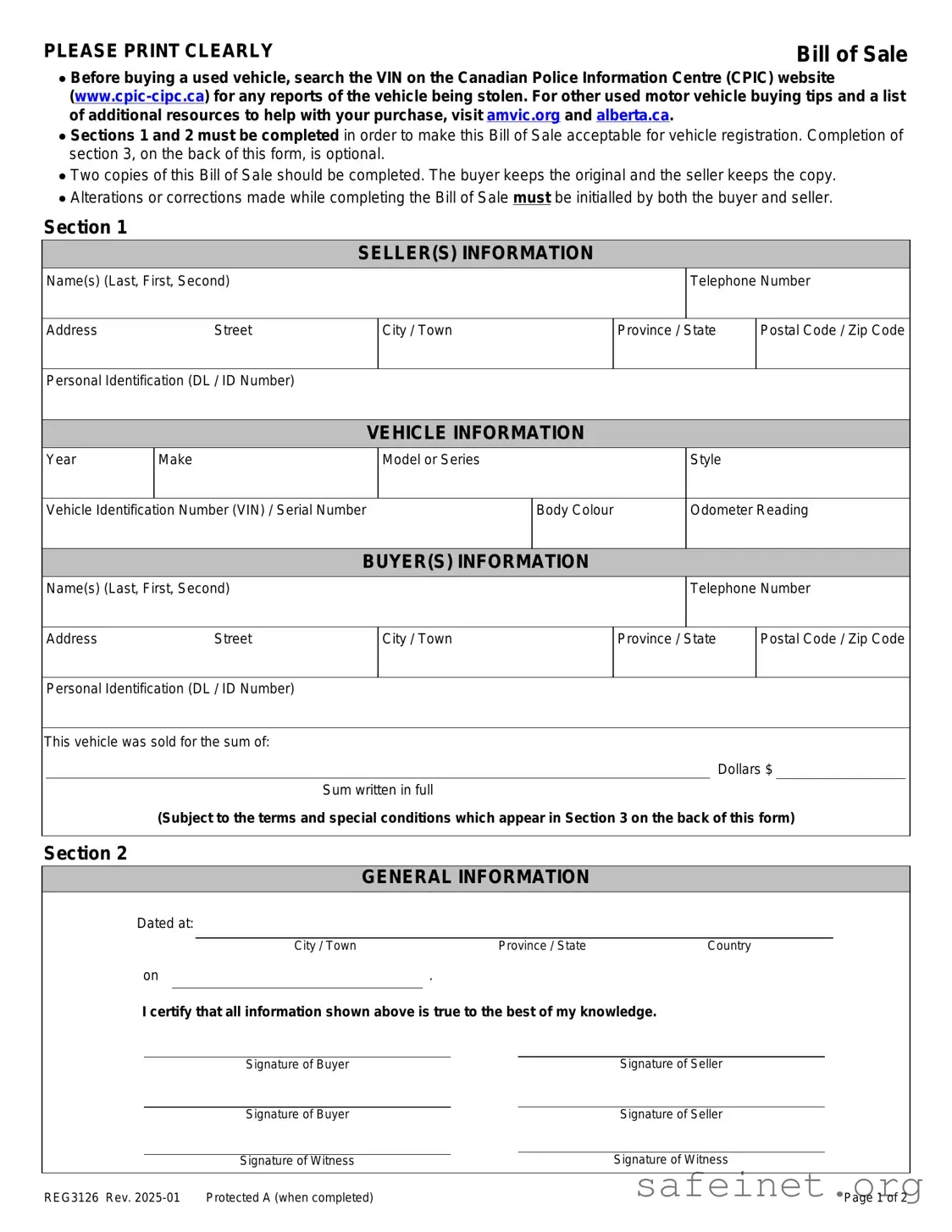
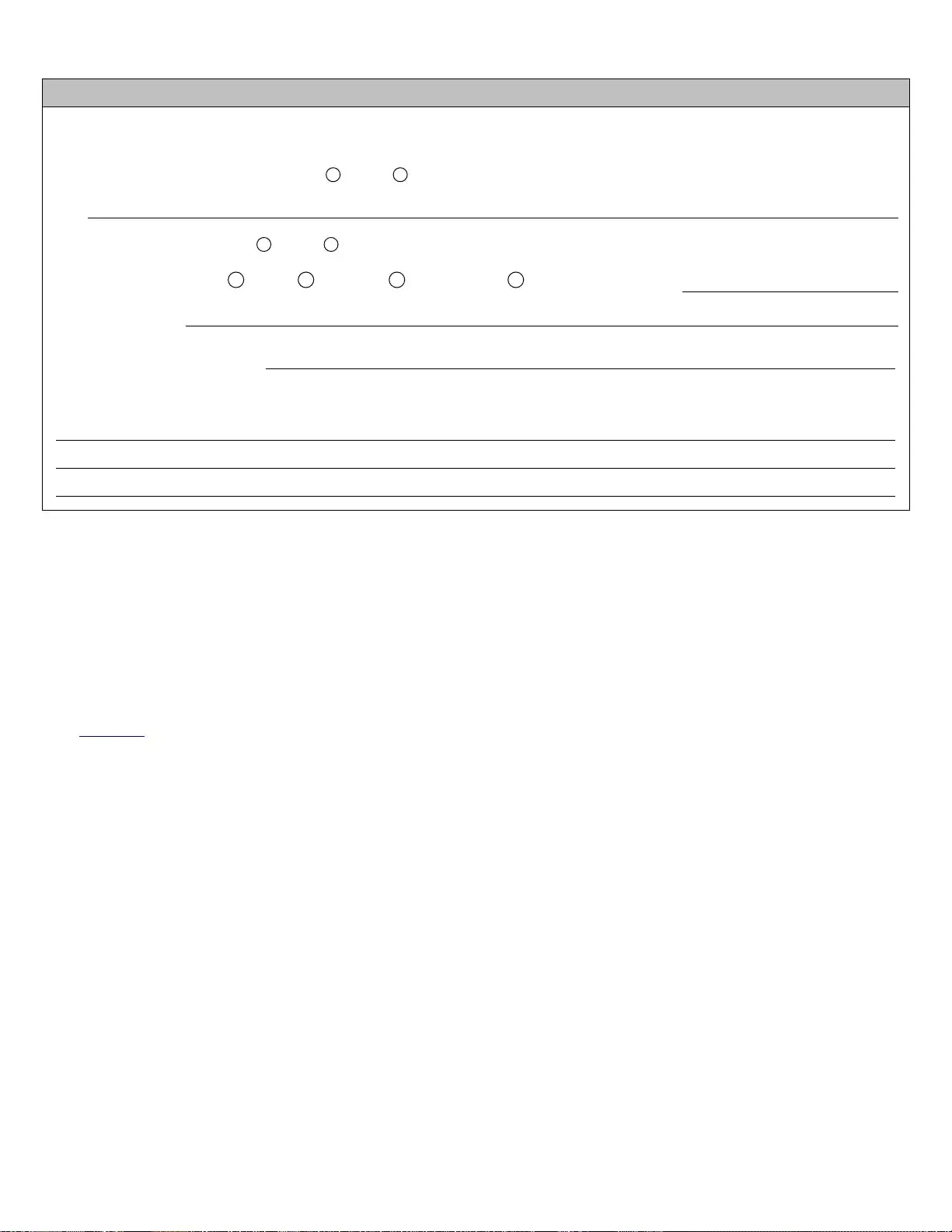
The Alberta Bill of Sale form serves as a crucial document in the process of buying and selling used vehicles within the province. It requires clear and accurate information from both the buyer and the seller to facilitate vehicle registration. Essential sections include details about the vehicle, such as its make, model, year, and Vehicle Identification Number (VIN), alongside personal information from both parties, including names, addresses, and identification numbers. To ensure the legitimacy of the transaction, the form advises buyers to check the VIN against the Canadian Police Information Centre (CPIC) for any theft reports prior to purchase. It is mandatory to complete Sections 1 and 2 for the form to be acceptable for vehicle registration, while Section 3, which outlines special conditions of sale, remains optional. Buyers and sellers must retain copies of the completed form, with alterations requiring mutual initialing. Additionally, the form emphasizes the necessity of insuring the vehicle before registration and provides guidelines for verifying the absence of liens. The completion of this form is vital for a smooth transfer of ownership and compliance with Alberta's vehicle registration laws.
| Fact Name | Fact Description |
|---|---|
| Governing Law | The Alberta Bill of Sale is governed by the laws of Alberta, Canada. |
| VIN Check | Buyers should search the Vehicle Identification Number (VIN) on the Canadian Police Information Centre (CPIC) website to check for any stolen vehicle reports. |
| Completion Requirement | Sections 1 and 2 must be completed for the Bill of Sale to be acceptable for vehicle registration. |
| Copies of the Form | Two copies of the Bill of Sale should be completed; the buyer retains the original, and the seller keeps a copy. |
| Alterations | Any alterations or corrections made to the Bill of Sale must be initialed by both the buyer and seller. |
| Insurance Requirement | A vehicle must be insured prior to registration in Alberta, and documentary proof of insurance is required. |
| Out-of-Province Inspections | Vehicles entering Alberta from another jurisdiction may require an out-of-province safety inspection. |
| Liens and Encumbrances | Buyers can check if a vehicle is free of liens and encumbrances by contacting a registry agent. |
| Registration Proof | The buyer must present the original completed Bill of Sale to register the vehicle in Alberta. |
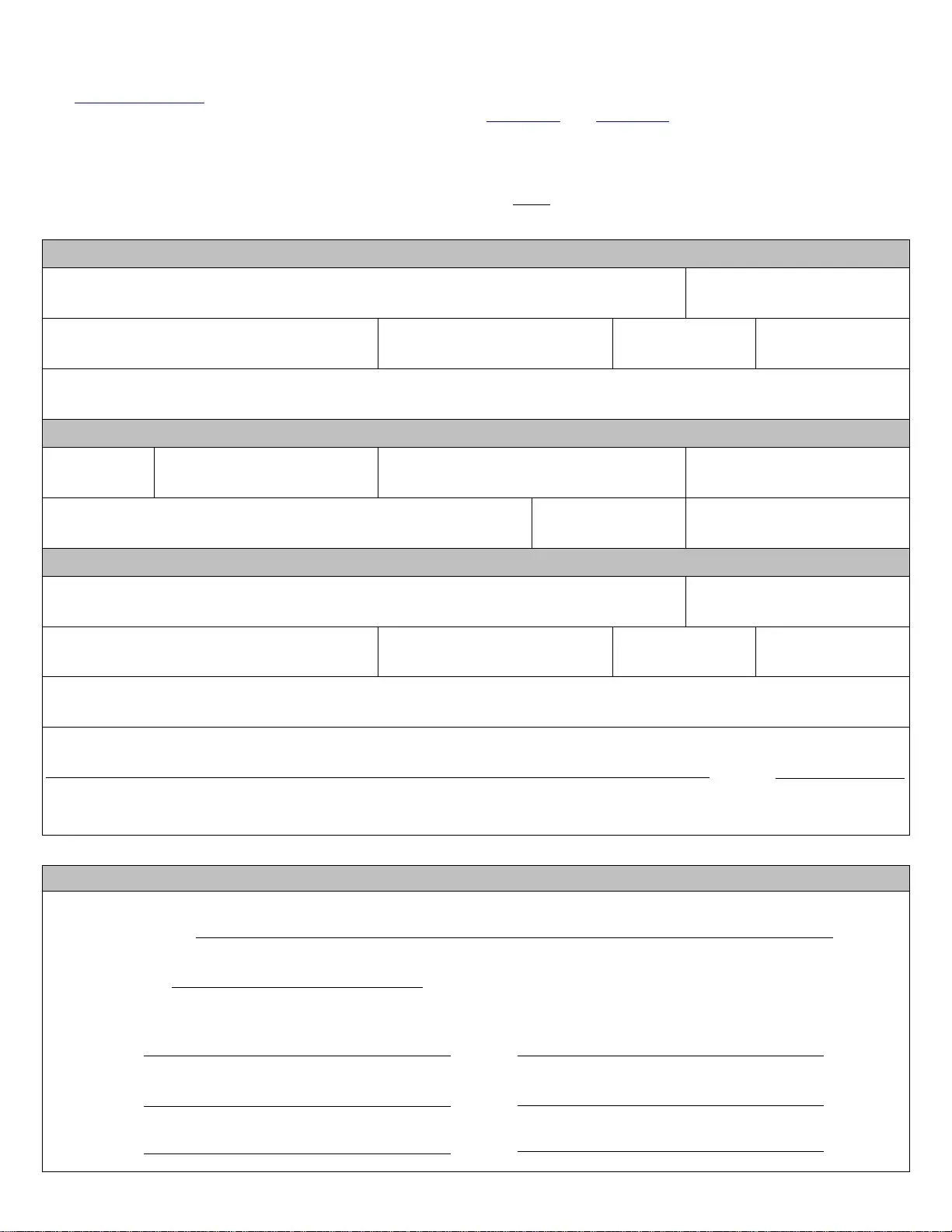
Filling out the Alberta Bill of Sale form is a straightforward process. By following these steps, you can ensure that all necessary information is accurately recorded, which will help facilitate the registration of your vehicle.
What is the purpose of the Alberta Bill of Sale form?
The Alberta Bill of Sale form serves as a legal document that records the transfer of ownership of a vehicle from the seller to the buyer. It includes essential details such as the vehicle's identification number (VIN), the names and addresses of both parties, and the sale price. This form is crucial for registering the vehicle in the buyer's name with the Alberta government.
What information is required to complete the Bill of Sale?
To properly complete the Bill of Sale, both the seller and buyer must provide their names, addresses, and personal identification numbers. Additionally, details about the vehicle, including its year, make, model, VIN, body color, and odometer reading, must be included. Both parties must also sign the document to validate the transaction.
Why is it important to check the VIN before purchasing a vehicle?
Checking the VIN on the Canadian Police Information Centre (CPIC) website is essential to ensure that the vehicle has not been reported stolen. This step helps protect buyers from potential fraud and ensures that they are purchasing a legitimate vehicle.
What should be done if there are alterations on the Bill of Sale?
If any alterations or corrections are made while filling out the Bill of Sale, both the buyer and seller must initial these changes. This practice ensures that both parties agree to the modifications and helps prevent disputes later on.
How many copies of the Bill of Sale should be made?
Two copies of the Bill of Sale should be completed. The buyer retains the original document, while the seller keeps a copy. This ensures that both parties have a record of the transaction for their personal files.
What are the requirements for vehicle registration in Alberta?
Before registering a vehicle in Alberta, the buyer must provide proof of insurance. Additionally, the original Bill of Sale must be presented, and the vehicle must be inspected if it is entering Alberta from another jurisdiction. The registration process must be completed within 14 days of the purchase date.
What are liens and how can they affect the sale?
Liens are legal claims against a vehicle, often due to unpaid debts. If a vehicle has a lien, it may not be sold without addressing the outstanding debt. Buyers should ensure that the vehicle is free of liens by contacting a registry agent, who can provide information based on the VIN.
What happens if a dispute arises from the sale?
Any disputes related to the sale of the vehicle become civil matters between the buyer and seller. The Alberta Bill of Sale does not provide any liability to the Crown regarding the transaction, emphasizing the importance of clear communication and agreement between the parties involved.
Failing to print clearly when filling out the form can lead to misunderstandings or errors in the information provided.
Not completing Sections 1 and 2 can result in an unacceptable Bill of Sale for vehicle registration.
Overlooking the need for two copies of the Bill of Sale. The buyer should keep the original, while the seller retains a copy.
Neglecting to initial any alterations or corrections made during the completion of the form can invalidate the document.
Forgetting to check whether the vehicle is free of liens and encumbrances can lead to legal complications later on.
Not verifying the Vehicle Identification Number (VIN) visually can result in purchasing a vehicle that is not as described.
Failing to provide correct payment terms can create confusion regarding how the vehicle was paid for.
Missing the requirement for documentary proof of insurance prior to vehicle registration can delay the process significantly.
Not including the date and location where the Bill of Sale is executed can lead to disputes about the timing of the sale.
Ignoring the necessity for additional identification when obtaining Alberta registration can complicate the registration process.
When purchasing a vehicle in Alberta, it's essential to have the right documentation to ensure a smooth transaction and proper registration. Along with the Alberta Bill of Sale form, several other forms and documents can play a crucial role in the process. Here’s a brief overview of these important documents.
Having these documents ready can make the vehicle buying process more efficient and secure. Each form serves a specific purpose that protects both the buyer and seller, ensuring a clear and legal transfer of ownership. Always check that you have all necessary paperwork before finalizing your purchase to avoid any complications down the line.
The Alberta Bill of Sale form shares similarities with the Vehicle Purchase Agreement. This document outlines the terms of the sale between the buyer and seller, including details about the vehicle, the purchase price, and any conditions that may apply. Both documents serve to protect the interests of both parties, ensuring that there is a clear understanding of the transaction. The Vehicle Purchase Agreement often includes additional clauses related to warranties or guarantees, which can provide further assurance to the buyer regarding the condition of the vehicle.
Another document akin to the Alberta Bill of Sale is the Title Transfer form. This form is essential when ownership of a vehicle is transferred from one person to another. It typically requires information about the vehicle, the seller, and the buyer, similar to the Bill of Sale. Both documents must be completed accurately to facilitate the registration process with the relevant authorities. The Title Transfer form, however, focuses specifically on the legal ownership aspect, while the Bill of Sale serves as proof of the transaction itself.
The Purchase Order is also comparable to the Alberta Bill of Sale. A Purchase Order is often used in business transactions to confirm the purchase of goods or services. It outlines the specifics of the purchase, including quantities and prices, which mirrors the details found in the Bill of Sale for vehicles. While the Purchase Order is more commonly associated with commercial transactions, both documents aim to formalize an agreement between parties and provide a record of the transaction.
Similarly, the Sales Agreement is a document that serves a purpose akin to that of the Alberta Bill of Sale. This agreement details the terms and conditions under which a sale occurs, including the description of the item being sold and the price. While it can apply to various types of sales, including real estate and personal property, the Sales Agreement emphasizes mutual consent and obligations, much like the Bill of Sale does for vehicle transactions.
The Lease Agreement can also be considered similar to the Alberta Bill of Sale, albeit in a different context. While a Bill of Sale transfers ownership, a Lease Agreement outlines the terms under which one party rents property from another. Both documents require clear identification of the parties involved, descriptions of the item or property, and the terms of the transaction. They serve to protect the rights of both parties and establish expectations regarding the use and payment for the item or property involved.
Another related document is the Warranty Deed, which is used in real estate transactions. This document guarantees that the seller has a clear title to the property and the right to sell it. Like the Bill of Sale, it provides a legal record of the transaction and ensures that the buyer receives what they are paying for. While the Warranty Deed pertains to real property rather than vehicles, both documents are fundamental in establishing ownership and transferring rights from one party to another.
Lastly, the Affidavit of Ownership can be seen as a companion to the Alberta Bill of Sale. This document is often used when a seller needs to affirm their ownership of a vehicle, especially in cases where the original title is lost. It provides a sworn statement confirming the seller's rights to the vehicle, similar to how the Bill of Sale confirms the transaction between the buyer and seller. Both documents help clarify ownership and facilitate the registration process with the appropriate authorities.
When filling out the Alberta Bill of Sale form, there are important dos and don'ts to consider. Following these guidelines can help ensure a smooth transaction.
When it comes to the Alberta Bill of Sale form, several misconceptions can lead to confusion for both buyers and sellers. Here are six common misunderstandings, along with clarifications to help navigate the process more smoothly.
Understanding these misconceptions can help buyers and sellers navigate the vehicle purchasing process more effectively. Being informed can lead to a smoother transaction and fewer complications down the line.
Here are some key takeaways for filling out and using the Alberta Bill of Sale form: